
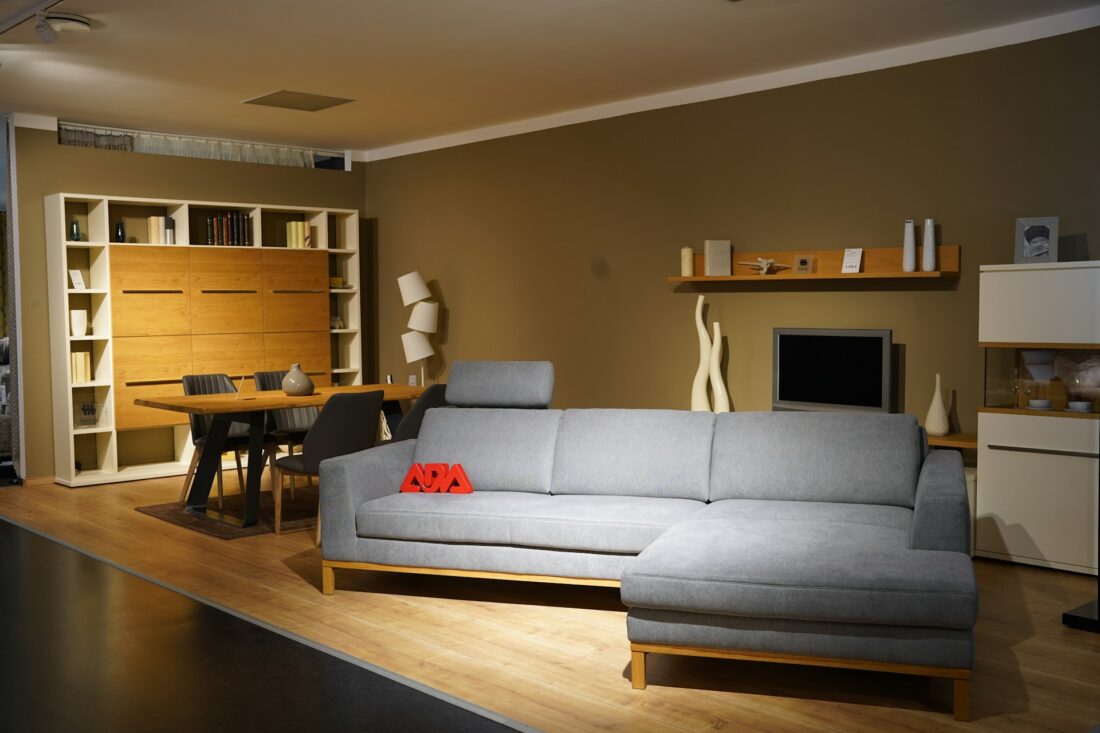
What Happens When You Skip Floor Protectors for Furniture
Protect Your Floors Before It Is Too Late
Skipping floor protectors for furniture seems harmless at first. You move a sofa, hear that scraping sound, and hope for the best. Later, you notice a dull track across the living room or a deep groove right where the dining chair slides in and out. By the time those marks show, the real damage has already started.
In this article, we will talk about what really happens when furniture sits and slides straight on your floors. We will look at the hidden wear you do not see right away, which pieces of furniture are the biggest troublemakers, how different floors react, and simple ways to guard your home before the busy fall and holiday season brings more people and more movement.
The Hidden Damage Lurking Under Every Chair
Most floor damage does not come from one big accident. It comes from tiny, repeated moves. Every time a chair scoots back from the table, the legs scrape across the floor. On hardwood, laminate, and vinyl, that makes a pattern of micro-scratches. At first, you only notice that the finish looks a little dull in certain spots. Over time, those small scratches catch dirt and are hard to clean, so the floor looks older than it really is.
Weight is another problem. Narrow chair legs, sofa feet, and bed frames press a lot of force into a tiny area. On soft wood or older laminate, that pressure can leave dents and flat spots. On carpet, heavy pieces can crush the fibers so they never fully spring back. You see:
- Shiny, worn patches in front of desks and sofas
- Deep divots under bed posts and dressers
- Flat, tired-looking carpet in dining rooms and hallways
Late summer and early fall often bring more of this motion. Kids are back to school and slide chairs in and out all day at study tables. Many people reset home offices and move desks, bookcases, and chairs across the floor. Then come holiday meals, extra guests, and busy family rooms. When furniture feet are bare, this extra activity speeds up the damage right when you are using your spaces the most.
How Skipping Floor Protectors Drains Your Wallet
The marks on the surface are annoying, but the real problem shows up when it is time to fix things. Refinishing hardwood, replacing damaged tiles, or patching carpet is not quick. Rooms may be out of use while work is done, and furniture has to be moved out and back in again.
Here is how skipping floor protectors hurts your budget over time:
- Surface wear grows into deep scratches that need sanding or replacement
- Cracked tiles or chipped laminate boards must be swapped out, sometimes in the middle of a room
- Worn tracks in carpet or vinyl keep coming back, even after cleaning
Many people try quick fixes like tossing a small rug under a chair, folding cardboard under a sofa leg, or taping felt or fabric straight to furniture feet. These tricks may feel helpful, but they tend to slide around, show at the edges, or bunch up. Worse, they can trap grit, which then grinds into the floor every time something moves. What looks like a cheap shortcut often leads to more mess and more wear instead of real protection.
Different Floors, Different Risks Without Protection
Every floor type reacts a little differently when furniture has no protection, but none of them enjoy it.
On hardwood and engineered wood, unprotected legs can:
- Create long, white scratch lines when furniture is dragged
- Chip the edges of boards near heavy pieces
- Wear off the finish in common paths, so those boards need attention sooner
Tile, vinyl, and laminate have their own problems. Sharp or hard furniture feet can crack tiles if weight is high on a small spot. Vinyl can tear or get deep scratches from sliding metal or hard plastic. Laminate edges can chip where chair legs repeatedly hit the same line. Dust and sand under bare legs act like sandpaper, grinding the surface every time something moves.
Carpet and rugs may hide marks better, but they still suffer. Heavy furniture without glides or risers can crush the pile and leave permanent craters. On area rugs, feet can cause the rug to bunch, slip, or stretch out of shape, which not only looks messy but can create a tripping risk.
The Worst Offenders and Smart Protection Before Fall
Some furniture is more “dangerous” to floors than others. The pieces you move often or that carry a lot of weight cause the most trouble.
Top offenders include:
- Dining chairs and barstools, pulled in and out many times every day
- Sofas, recliners, and sectionals, which are heavy and often pushed, rocked, or twisted
- Desks, rolling chairs, beds, and dressers, which sit for long periods and then get shifted for cleaning or rearranging
As seasons change and we get ready for fall gatherings, it makes sense to focus on these first. A simple, smart plan looks like this:
- Choose the right floor protectors for each piece and floor
- Start with high-traffic rooms like dining areas, family rooms, and kids’ study spots
- Then move to guest rooms and spaces that get extra use during holidays
Different protectors do different jobs:
- Felt pads are great for chairs and smaller pieces that you move often on hardwood or laminate, because they help things glide without scratching
- Rubber grippers help keep heavier furniture steady on smooth floors while guarding the finish
- Sliders help move big items like beds and sofas without dragging or gouging
- Risers and coasters on carpet spread out weight to keep fibers from crushing
Before adding any protector, it helps to clean the furniture feet and the floor surface where it will sit. That way grit does not get trapped. It is also smart to check protectors every few months, especially before the busy fall and winter season. Worn felt or tired rubber should be replaced so the protection keeps working as it should.
Frequently Asked Questions About Floor Protectors for Furniture
Q1: Are floor protectors really necessary if my floors are new?
A: New floors are actually easier to mark because the finish is still fresh and even. The first scratch or dent stands out right away. Using floor protectors from the start helps keep that new look longer and delays any need for touch-ups or bigger repairs.
Q2: Which type of floor protector should I use on hardwood?
A: For hardwood, soft felt pads work well under dining chairs and lighter pieces you move often. For heavier furniture like sofas, rubber-based protectors can help stop slipping while still being kind to the finish. Avoid hard plastic directly on bare wood, because it can trap grit between the plastic and the floor.
Q3: How often should I replace furniture floor protectors?
A: It depends on how often the piece moves and how much traffic the room gets. A simple habit is to check every three to six months. If the felt looks thin or dirty, or the rubber feels hard or slick, it is time for a fresh set.
Q4: Will floor protectors stop my furniture from sliding on smooth floors?
A: Certain protectors are made to grip. Non-slip rubber styles help keep sofas, chairs, and tables from drifting on hardwood, tile, or laminate. If you want furniture to move more easily instead, like a heavy bed or storage unit, sliders or glides are a better fit.
Q5: Do floor protectors work on carpet and area rugs too?
A: Yes. On carpet, coasters and risers spread out weight so legs do not punch deep dents into the pile. On rugs, low-friction sliders make it easier to shift pieces without bunching the fabric, while some grippers help keep legs from stretching the rug out of shape.
Protect Your Floors And Furniture With Confidence
Ready to stop worrying about scratches, scuffs, and noise every time you move a chair or table? Our floor protectors for furniture are designed to give your floors long-lasting protection while keeping your pieces easy to move and beautifully stable. Explore the options that fit your home or business, and if you are not sure what you need, contact us so we can help you choose the right solution from Slipstick.