
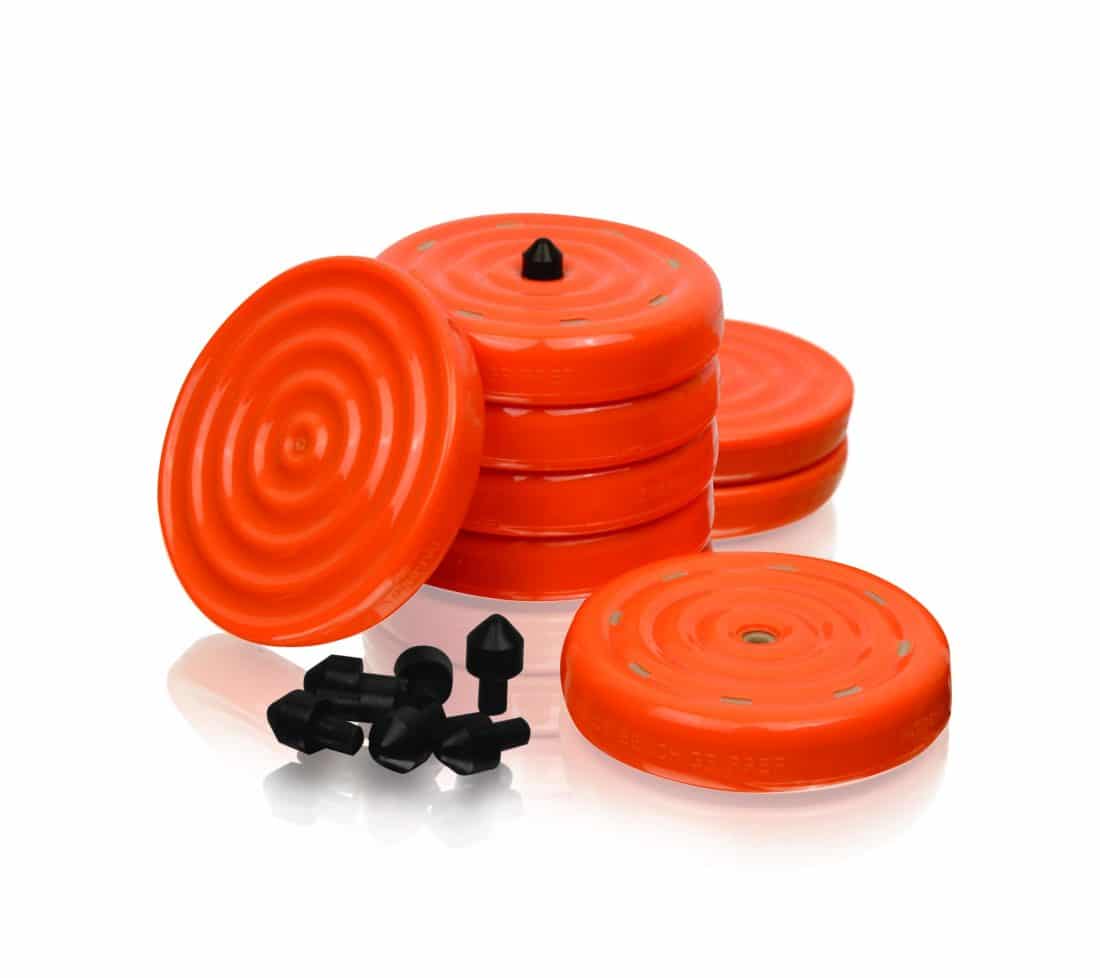
What Makes Gripper Pads Lose Hold and When to Replace Them
Gripper pads for furniture are small, but their role at home is pretty big. They keep chairs, tables, and other pieces from sliding, shaking, or scratching the floor. Over time though, these pads stop doing their job as well as they used to. Floors start to feel noisier, furniture shifts during use, and the grip just isn’t what it was. That’s when those pads might need a closer look.
Knowing how gripper pads wear out makes it easier to spot the signs early. Whether it’s old glue, worn rubber, or just too much pressure over time, once the hold starts to slip, the noise and movement usually follow. We’ve seen how small changes like a fresh pad can make life at home feel noticeably quieter and smoother again.
Common Reasons Gripper Pads Stop Working
Over time, even the best gripper pads wear down. Some causes are easy to see, while others take a while to notice. The most common reasons come from use and what’s going on around the pad itself. Here’s what tends to break down the hold:
- Dust and dirt build up under the pad surface, reducing the stick and grip
- Change in weather, especially in cooler months, causes materials to stiffen or the adhesive to loosen
- Long-term wear from repeated movement starts to flatten the pad and weaken its support
When a pad flattens out, it’s not as good at spreading pressure evenly, which can make a chair wobble or slide. When the glue underneath gets affected by changes in air moisture, the pad might start curling at the edges or slipping out of place. Each of these issues slowly reduces how well the pad keeps a piece of furniture steady on the floor.
Signs It’s Time to Replace Old Pads
Some signs are obvious, like a dining chair that suddenly scoots when you stand up. Others sneak in more slowly. Any drop in grip or sudden sound where it used to be quiet is a good reason to take a look underneath.
Common signs to watch for include:
- Furniture sliding with light pressure that used to stay put
- Pads coming untucked or peeling at the sides
- Return of small rattles, squeaks, or tippy movements that used to be resolved
Any one of these is enough of a reason to check the pad’s shape and condition. If it looks hard, dirty, or worn out, chances are it’s not doing much good anymore. Waiting too long might also lead to light damage on the floor, especially in rooms with hard surfaces.
How Environment Affects Pad Lifespan
Not every pad wears the same, even in the same house. Where it’s used, what kind of furniture it supports, and the type of flooring all matter. Some combinations wear things down faster than others, and seasonal shifts do not help.
Here’s how the environment plays into it:
- Floor type matters, tiles are slippery and tough, while timber has more grip but is easier to mark
- Autumn and winter bring drier air or extra moisture depending on the space, both can mess with glue
- Busy areas like kitchens or family rooms wear through pads more quickly than bedrooms or studies
These changes do not mean something was wrong with the pad, it’s just part of daily use. The more movement, the more stress the pad takes. Pads in quieter rooms tend to last longer, but we still like to check them when seasons shift or indoor traffic grows.
Choosing a Better Replacement
When a pad fails, replacing it with just anything might not help for long. A new grip that’s suited to the specific space and floor often lasts longer and performs better. Some come with stronger fibres, others have extra backing to help them stay on.
When choosing a new pad, we often look at:
- Whether it suits the type of floor, like timber, tile, or concrete
- If the material is soft enough to protect but firm enough to hold
- If the backing glue stays in place when the weather changes
Avoiding one-size-fits-all styles helps. Some furniture gets heavy use, like dining chairs and stools, while other pieces barely move at all. Matching grip strength and wear level can make a big difference by preventing furniture from starting to shift all over again too quickly. Some Slipstick GorillaPad furniture grippers use a non slip rubber base layer bonded to a solid felt core, which is safe for hard floors like hardwood, laminate, tile, LVT, marble and concrete while helping to stop sliding and protect against scratches.
Keeping Pads Working for Longer
Pads won’t last forever, but small upkeep steps can stretch their lifespan. A little attention every few months helps stop major wear from sneaking up. It also makes it easier to catch problems before the furniture or floor suffers from it.
To keep pads holding strong, we suggest:
- Wipe under the pads now and then to keep dust and grit from building up
- Slightly rotate heavy chairs or tables over time to spread out the pressure
- Check busy rooms during season changes, especially before colder months increase indoor time
These steps take only minutes, and the payoff is quieter movement and fewer scratches. Pads that stay clean, balanced, and shaped properly will feel invisible, the furniture simply stays still, without calling attention to itself. Several Slipstick grippers are built to stay under furniture permanently and are made from durable materials so they keep working through everyday use without needing constant replacement.
A Small Fix That Makes the Home Feel Better
Gripper pads might not get a lot of thought until they stop working. But when they do, the difference becomes pretty obvious. Floors sound louder, furniture feels loose, and small movements start to pull focus. All from a tiny pad that no longer holds like it should.
By checking how and where they wear out, and changing them before they fail fully, we keep furniture stable and rooms peaceful. Fresh gripper pads for furniture do not just help the piece sitting on top, they make the whole living space feel steadier and more settled.
Gripper pads tend to wear down when they’re used on the wrong surface or left in place too long without a check. We’ve seen how much smoother and quieter a room feels once fresh pads are fitted properly. Noticing movement where there shouldn’t be is a good reminder to upgrade to dependable gripper pads for furniture that are made to last. At Slipstick, we focus on simple fixes that keep things steady without damaging your floors. Get in touch with us to sort out the best fit for your furniture.