
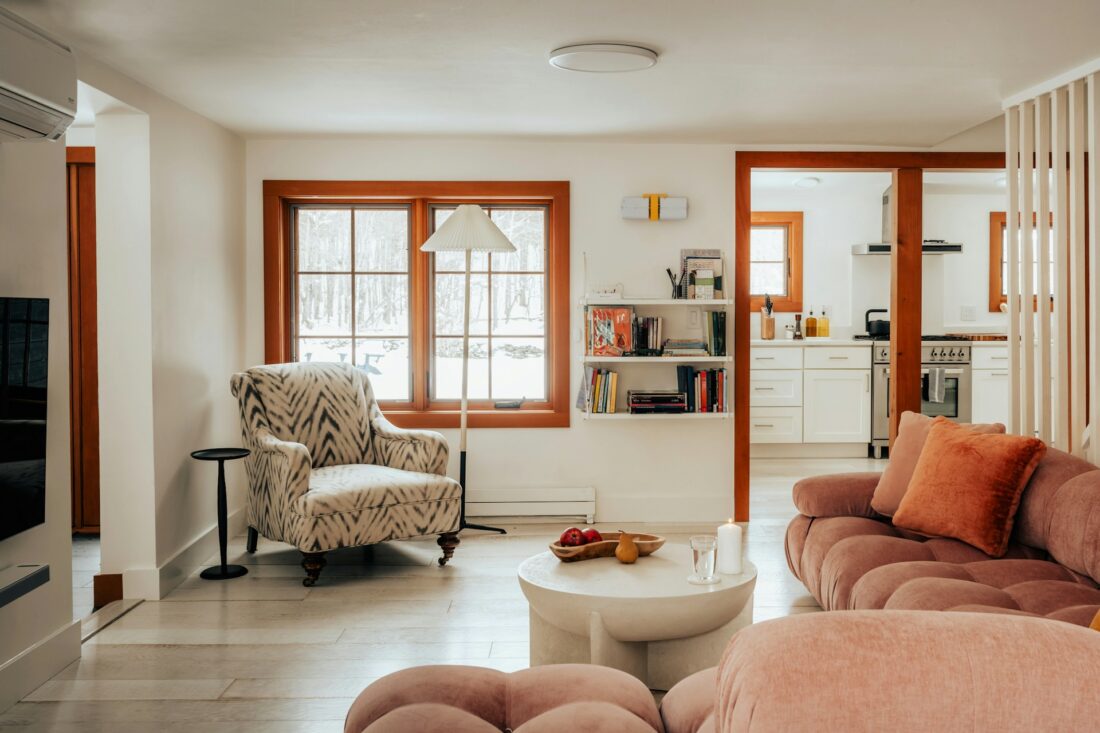
Summer Entertaining Rooms That Need Furniture Floor Protectors
Protect Your Summer Spaces From Hidden Floor Damage
Summer entertaining is fun, but it is also tough on your floors. More people in your home means more chairs pulled in and out, more tables moved around, and more furniture dragged across wood, tile, and vinyl. Even when you are careful, tiny scratches and dents can build up fast.
The tricky part is that a lot of this damage happens quietly over time. A wobbly barstool that scrapes a little every day, or an extra folding table you slide in and out for food, can leave marks that you only notice later. Furniture floor protectors give you a simple, low-stress way to stop that damage before it starts.
By adding protectors to the feet of your most-used pieces, you create a soft layer between your furniture and the floor. That means less noise, fewer scuffs, and easier movement when guests arrive. At Slipstick, we focus on furniture grippers, sliders, risers, wheels, and floor protectors that are built for busy homes that get a lot of use, especially when summer entertaining kicks into high gear.
Dining Rooms Ready for Summer Dinner Parties
Dining rooms usually see a big jump in activity during summer. Family dinners, weekend brunches, birthday parties, and holiday cookouts all tend to land around the table. That means dining chairs and extendable tables are being pushed, pulled, and leaned on all day long.
Those chair legs and table feet put a lot of pressure on one small spot. On hardwood and laminate, that pressure, plus sliding, can leave scratches, white marks, or worn patches. Even gentle movement can leave lines on the finish over time.
Furniture floor protectors can help by:
- Cutting down the scraping noise when chairs move
- Spreading the weight of table legs so they do not dig in
- Making chairs easier to slide in and out for guests
- Helping keep older or wobbly tables steadier
For dining rooms, felt pads are a smart match for most chair and table legs, especially on hardwood or laminate. They glide more smoothly and keep things quiet. Rubber-style grippers work well under a table that tends to rock when people lean on it, since they grab the floor and reduce wobble. Under heavy buffet cabinets or sideboards, sliders let you shift them when you need to clean or rearrange without dragging bare legs over your floor.
With the right protectors in place, you can focus on passing plates, not worrying about what is happening to your floors underneath the chairs.
Living Rooms Built for Movie Nights and Game Days
In summer, the living room often turns into home base. People drift in and out from the yard, kids spread out puzzles and games, and everyone piles in for movie nights and big games. Seats get dragged closer to the TV, coffee tables scoot out of the way for sleeping bags, and heavier pieces might shift more than you realize.
Sofas, recliners, and big coffee tables are tough on floors when they are pushed or pulled, especially on wood and vinyl. Even lifting one side and scooting the other can leave long marks, dents, or small gouges where the weight bears down.
Putting furniture floor protectors under couch legs, recliners, and entertainment centers gives you:
- A barrier between sharp or rough edges and your flooring
- More stable footing so pieces do not walk or slide when kids flop down
- Quieter movement for late-night rearranging
- Easier cleaning around and under heavy items
Gripping-style protectors help keep a sofa from creeping every time someone sits. Low-friction sliders can go under big cabinets so you can shift them for cleaning or for a better TV angle without scratching. That extra stability also helps when kids lean on furniture or pets race through the room.
Outdoor Rooms, Patios, and Sunrooms That Protect Your Floors
Covered patios, screened porches, and sunrooms often become summer hangout spots. These spaces act like second living rooms, with people moving back and forth between inside and outside all day. The furniture in these areas has to handle grit, moisture, and lots of shifting around for parties.
Outdoor and semi-outdoor floors have their own risks:
- Grit and sand under chair legs can grind into tile or composite decking
- Metal chair frames can leave rust rings or sharp marks
- Moisture and dirt can break down weak pads quickly
- Furniture that moves between indoor tile and outdoor concrete needs flexible protection
Durable, weather-resistant floor protectors help keep hard surfaces from chipping, cracking, or getting ring marks. On tile or sealed concrete, tough glides or rubber pads give a bit of cushion and help control sliding. On decking, they reduce pressure on boards and stop small chips from forming at contact points.
For mixed spaces, look for protectors that can handle a few different surfaces, like tile inside and concrete or decking outside. That way, when you move chairs and tables out for a gathering, you do not have to worry about changing or removing anything first.
Guest Rooms, Home Offices, and Multi-use Spaces on Rotation
Summer often changes how we use our rooms. A home office might turn into a guest room for a long weekend. A kids’ room might double as a study spot and gaming area. Rollaway beds, pullout sofas, and folding tables go in and out of storage more often.
All that movement can be rough on floors. Rolling office chairs can leave track marks on soft floors. Heavy guest beds can leave dents when they sit in one spot for too long. Portable desks and folding tables can leave little half-circle scrapes each time you set them up.
Furniture floor protectors, caster cups, and protective wheels make these quick changes easier on your flooring. Some simple tips:
- Put caster cups where you know a rollaway bed or pullout sofa always goes
- Use protective wheels on office chairs that will roll on wood or vinyl
- Add pads to the feet of folding tables and extra chairs you keep in storage
- Keep a small set of spare protectors handy for surprise guests
If you set anchor points for beds and desks ahead of time, you can shift a room at the last minute without guessing or dragging heavy pieces across bare floors.
Simple Summer Checklist to Safeguard Your Floors
A little planning before your next gathering can save a lot of floor repair later. Here is a quick summer checklist you can walk through:
- Spot your high-traffic rooms like dining, living, patio, and guest spaces
- Look for early signs of wear like light scuffs, chair marks, or tiny dents
- List the furniture that moves the most or carries the most weight
- Match each piece with the right style of protector, gripper, or slider
- Do a quick “before guests arrive” sweep to add missing pads or cups
Slipstick focuses on making furniture floor protectors, sliders, and related products that fit real homes that change with the seasons. With the right protection on your furniture, your summer entertaining rooms can stay comfortable, flexible, and kind to your floors at the same time.
Frequently Asked Questions About Furniture Floor Protectors
1) Do I really need furniture floor protectors if my floors are new?
Yes. Brand new floors often show marks the most, because the finish is fresh and even. Protectors create a soft buffer between hard furniture legs and your flooring so that first scratch or dent is much less likely, especially when your home is full of summer guests.
2) Which type of furniture floor protector is best for my floor?
For hardwood and laminate, felt pads or cushioned grippers usually work best for furniture that stays in one place, and low-friction glides or sliders help when you need to move heavier pieces. On tile, vinyl, or concrete, rubber or mixed-material protectors can give both grip and impact protection. For outdoor and semi-outdoor areas, look for weather-resistant styles that stand up to moisture and grit.
3) Will furniture floor protectors make my furniture unstable?
Quality protectors are designed to keep furniture stable, not make it tippy. The key is choosing the right size and shape for each leg and pressing or attaching them securely. Gripping styles can actually help reduce wobble, while sliders spread the weight so heavy pieces move smoothly without catching.
4) How often should I replace furniture floor protectors?
It depends on how much the room is used. In busy summer entertaining areas, it is smart to check protectors every few months. If you see pads that are worn flat, peeling, cracked, or packed with dirt, it is time to swap them out so they keep doing their job well.
5) Can furniture floor protectors be used on area rugs and carpet?
Yes. On rugs and carpet, wide glides, caster cups, and special feet help stop dents, snags, and uneven wear. They also keep furniture from sinking into plush carpet or slipping on thin rugs, which is very helpful when people are sitting, standing, and moving around more during summer gatherings.
Protect Your Floors And Furniture With Long-Lasting Solutions
Give your home the protection it deserves by upgrading to our high-performance furniture floor protectors designed to prevent scratches, scuffs, and noise. At Slipstick, we engineer our products to stay in place and stand up to everyday wear so you do not have to worry about damage every time furniture moves. If you have questions about sizing, surfaces, or installation, simply contact us and we will help you choose the best option for your floors.