
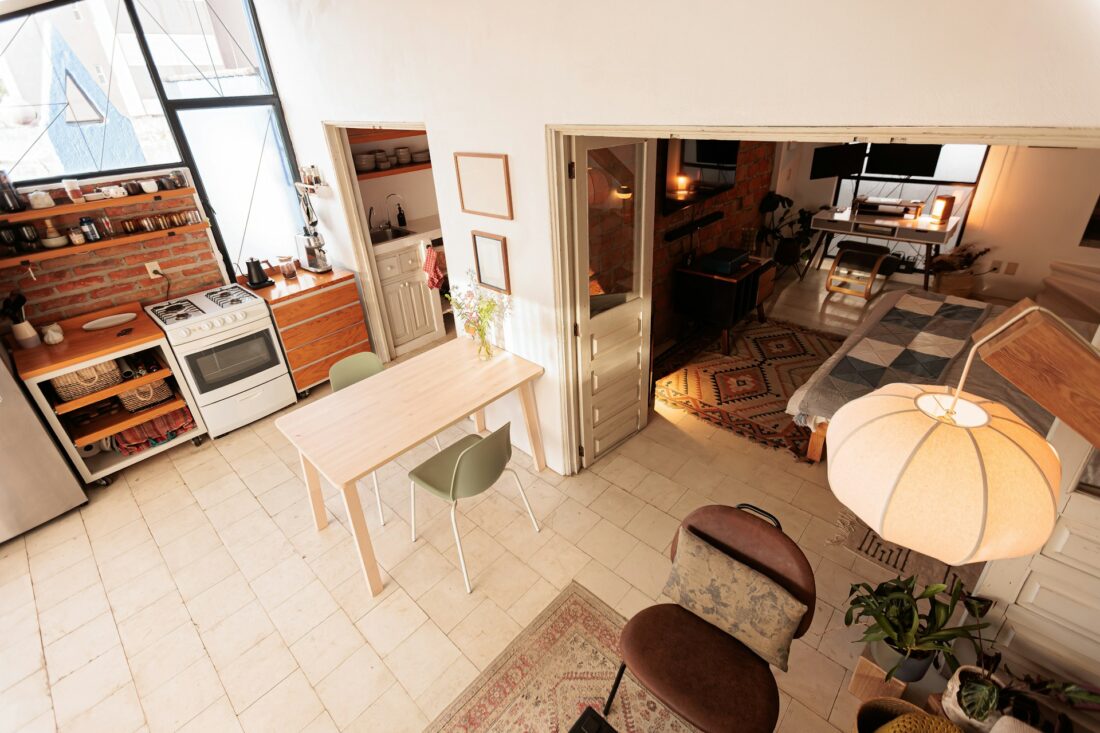
Zoning Floor Protection: Entryways, Dining Areas, and Kids’ Play Spaces
Open-plan homes look great, but they can be tough on floors. One big space means more footsteps, more moving chairs, more rolling toys, and a lot more chances for scratches and wobbly furniture. If we want our floors to stay beautiful, we have to think about how each part of that big space is used every day.
Instead of using the same pads under everything, it works better to “zone” our floor protection. The needs near the front door are very different from the dining area or kids’ play corner. In this guide, we will walk through entryways, dining zones, and play spaces, and match each one with the right kind of floor protectors for furniture. As the weather warms up, doors stay open longer, kids are home more, and friends visit more often, so this is the perfect time to get each area ready.
Protect Every Zone in Your Open-Plan Home
Open-plan living connects everything. The entry flows into the dining space, which blends into the lounge and kids’ corner. That open feel is great, but it also means dirt, moisture, and movement spread fast.
Different activity zones ask for different things from the floor. Some places need a strong grip so furniture will not slide. Others need a smooth glide so chairs can move without scraping. Still others need extra cushioning to soften impact and reduce noise.
Here is why one generic pad under every leg does not really work:
- Entry benches and consoles need solid grip on possibly damp floors
- Dining chairs need easy movement without catching or squeaking
- Kids’ furniture needs both grip and softness for safety and comfort
At Slipstick, we design grippers, sliders, risers, wheels, and other floor protectors that solve those different problems on many kinds of surfaces. Now let us break down each zone and what works best.
Entryway Zones That Protect Floors From Day One
The entryway is where floors get hit first and hardest. Wet shoes, sandy flip-flops, heavy bags dropped on a bench, a console table bumped by backpacks, rolling shoe cupboards, all of that stress adds up quickly.
Many entry floors are tile, vinyl, engineered wood, or concrete. Grit in the door area can act like sandpaper under furniture feet, and trapped moisture can lead to stains or marks. So we like a layered approach:
- Doormats and runners to catch grit and water
- Non-slip grippers under benches, consoles, shoe racks, and umbrella stands
- Moisture-resistant, non-marking floor protectors under any furniture that often gets wet around it
If a piece almost never moves, such as a solid entry bench, strong fixed grippers make sense. They keep the bench from sliding when people sit down or tie their shoes. For furniture you move more often for mopping or sweeping, like a slim console table, low-profile glides might be a better pick, so you can slide it out smoothly without scratching.
As seasons change and more dirt comes in, it helps to:
- Check pads and grippers every few months
- Wipe off any grit stuck on the bottom
- Replace worn pieces before that grit turns into scratch marks
Dining Zones That Glide Smoothly Without Scratches
In an open-plan home, the dining area works hard. Chairs get pushed in and out several times a day. Kids rock back and forth. Guests slide heavy chairs or benches to squeeze more people in. Sometimes the table itself gets dragged so you can add a leaf or shift it for a big dinner.
Common quick fixes like thin felt stickers can peel off or bunch up. Rubber caps might grip too much, so chairs jump instead of slide. Both can still mark the floor if they wear out.
The best setup depends on your surface:
- On hardwood or laminate: choose quality glides that let chairs move smoothly and quietly without streaks
- On tile or stone: pick soft but tough glides that do not catch in grout lines, and use grippers on table legs so the table does not move when chairs do
- On luxury vinyl: use non-staining, vinyl-safe protectors that spread weight to help avoid dents under heavy tables or buffets
Grippers, sliders, and wheels each have a job in the dining zone:
- Grippers for the dining table and sideboards so they stay put
- Sliders or special chair leg caps for chairs so they glide easily
- Locking caster wheels for bar carts or serving trolleys, so they roll when you want, then stay still
Quick care makes a big difference. Wipe chair feet when you clean the floor, look for worn edges on protectors, and swap out any that are cracked or loose before they start scratching.
Safe, Soft-Landing Protection for Kids’ Play Spaces
Kids’ corners in open-plan homes are full of motion. Toy trucks race, ride-on toys zoom, storage carts roll, tiny tables and chairs slide across the floor, and forts often use big furniture as anchors.
Here, we care about both safety and surface protection. We want furniture to stay stable if a child leans or climbs, and we also want the floor to resist dents from play.
A smart plan for kids’ zones might include:
- Non-slip grippers on bookshelves, toy organizers, and play tables to help reduce tip and slide risks
- Soft, low-friction protectors on small chairs so kids can move them without gouging the floor
- Rug pads or under-rug grippers under play mats to keep them from bunching up
For mobile pieces, it helps to be able to move them when adults want, but keep them steady during play:
- Locking caster wheels on art carts or toy trolleys
- Reusable furniture sliders for shifting heavier items as kids grow and the layout changes
Parents can also watch for a few extra details: pick easy-to-clean, non-marking materials, make sure small pads fit very firmly so they are not easy to peel, and give high-traffic spots a quick check more often in busy summer months.
Smart Product Pairings for Mixed-Use Open Spaces
Most open-plan homes do not have neat, separate zones. The dining table becomes a homework spot. The entry blends right into the play area. Extra chairs move between TV time and party time.
That is where a “modular” protection plan helps. We can mix different types of floor protectors for furniture so we get both stability and smooth movement where we need it.
Some pairing ideas that work well:
- Grippers on anchor pieces, like sofas, large cabinets, and dining tables, to mark each zone and keep them steady
- Sliders or special glides on floating pieces, like accent chairs, small tables, poufs, and ottomans, so they can move between spaces without scratches
- Discreet risers or wheels under heavier pieces that only shift for deep cleaning or seasonal layout changes
It also helps to match protectors to both floor and furniture type. A few quick checks:
- Hardwood: look for non-marking, cushioned protectors and smooth glides
- Vinyl: stick with vinyl-safe, non-staining bottoms
- Tile or polished concrete: choose grip for anchor pieces and glides that can handle joints or slight texture
- Area rugs: use under-rug grippers plus leg protectors that will not punch through the pile
When we plan a new layout or get ready for summer gatherings, it pays to think from the floor up. Protecting the surface at the start is much easier than trying to hide scratches later on.
Slipstick is focused on designing floor-friendly grippers, sliders, risers, wheels, and other protectors that make this kind of zoning simple to put in place. By matching each activity area with the right support, we can keep open-plan floors looking good and feeling solid while life in the home stays flexible and fun.
Protect Every Open-Plan Zone With Smart Floor Solutions
Ready to keep your entryway, dining area, and kids’ play space looking great while everything stays stable and safe? At Slipstick, we design floor protectors for furniture that are built to handle real-life traffic, spills, and everyday bumps in open-plan homes. Choose the right grippers, sliders, and risers for each zone so chairs glide smoothly, heavy pieces stay put, and your floors stay scratch free. Start zoning your protection today so your home can stay open, flexible, and worry free for years to come.