
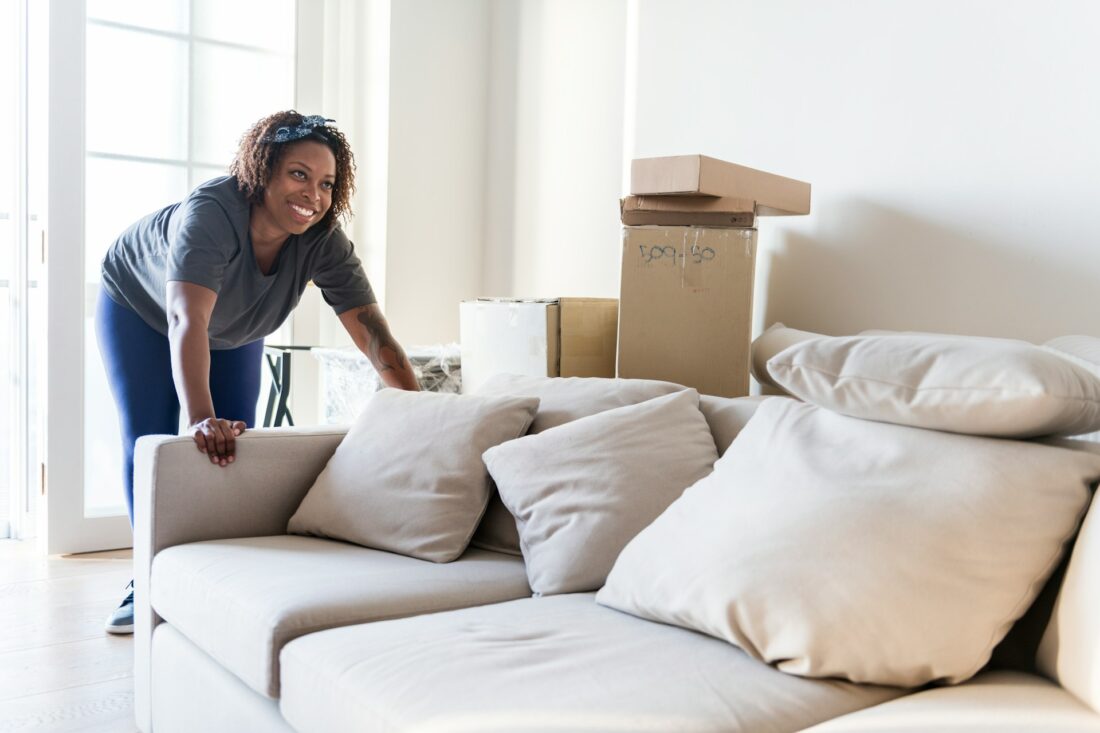
Problem-Solving Uses for Furniture Moving Pads Beyond Moving Day
Unlock Everyday Uses for Furniture Moving Pads
Furniture moving pads usually get tossed into a closet right after moving day. They sit there next to the half-used box of packing tape and the mystery remote no one claims. But those little pads are actually one of the most useful tools you can keep at home all year long.
Furniture moving pads are designed to protect floors, prevent injuries, and make heavy pieces easier to shift. That does not stop once the moving truck pulls away. Late summer and early fall are full of chores, projects, and small changes around the house, and pads can make almost all of them easier and safer.
Protect Floors During Seasonal Deep Cleaning
When the weather starts to cool, many of us do a deeper clean. That usually means dragging big, heavy things out of the way so we can reach dust, crumbs, and pet hair that have been hiding for months.
Think about how often you move these items during a deep clean:
- Sofas and sectionals
- Entertainment centers and TV stands
- Bookcases and display cabinets
- Refrigerators, freezers, and other appliances
Without protection, sliding any of those across hardwood, vinyl, laminate, or tile can leave scratches or dull spots. Furniture moving pads go under the legs or corners so the weight spreads out and glides instead of grinding.
With Slipstick pads, the bottom surface is smooth and non-marking to slide easily, while the top grips the furniture so it does not slip off as you move it. That mix of low friction and grip means you can push a piece across the room, stop, and have it stay put instead of rolling back or twisting.
Room-by-room ideas:
- Under dining chairs and tables when you pull them aside to clean up crumbs
- Under beds so you can reach dust bunnies and lost socks
- Under office chairs and small file cabinets to clear space for vacuuming
All this sliding instead of lifting also helps your body. When you can nudge a heavy couch with one steady push instead of trying to deadlift a corner, you lower your risk of back strain or pulled muscles.
Make Home Redecorating Easier and Safer
Late summer and fall are great times to freshen up a room. A new rug, a different layout, maybe moving a chair closer to a window with better light. The hard part is actually shifting the heavy pieces to see what works.
With furniture moving pads, you can:
- Test three different living room layouts without lifting a sofa every time
- Slide a buffet or sideboard to a new wall to balance a dining room
- Move an armoire or tall dresser carefully so you are not stressing the legs or joints
Dragging heavy furniture can twist frames and loosen joints. When the bottom glides instead of catching, you reduce wobble and long-term damage. Pads give you time to think and adjust instead of rushing through it before your arms give out.
Once you land on the layout you like, you can pair moving pads with other helpful tools. For example, gripper pads keep furniture from shifting on smooth floors, and risers can lift a bed or sofa just enough for better storage or a more comfortable height. Moving pads help you get things in place, then other products keep them steady.
Solve Everyday Access Problems in Tight Spaces
Some of the most annoying spots in a home are tight corners and narrow gaps where outlets, vents, and cables hide. You only need to get back there once in a while, but when you do, it is a pain.
Furniture moving pads are perfect for those “just a little bit” moves, like:
- Sliding a media console forward to plug in a new streaming device or game system
- Pulling a file cabinet away from the wall to reach hidden plugs or surge protectors
- Shifting a dresser a few inches to reset a Wi-Fi router or free a trapped cable
Without pads, you scrape baseboards and door frames or leave gray marks on light paint. Pads soften and smooth the contact with the floor so pieces glide instead of bumping and catching. This is especially helpful in small apartments and narrow halls where you cannot swing big items out at a wide angle.
These quick shifts come up a lot right before school starts or before holiday guests arrive. People are setting up study corners, moving printers, or making space for a temporary guest bed. Having pads handy means you can handle those tweaks without turning it into a big project.
Support DIY Projects and Seasonal Home Maintenance
You do not have to be a hardcore DIY person to benefit from furniture moving pads. Even simple projects are easier when you can slide things out of the way without dragging or lifting.
Helpful uses include:
- Placing pads under furniture feet before painting a room so you can roll pieces away from the wall, paint, then slide them back without scraping fresh paint
- Shifting furniture to install peel-and-stick flooring or underlayment without gouging the new surface
- Gliding sofas and chairs off an old rug so you can roll it up and lay down a new one smoothly
Seasonal chores outside the main living spaces are easier too. In garages or basements with sealed concrete, you can put pads under storage shelves to nudge them over while you sweep. On some patios and covered outdoor spaces, pads help move heavy planters or outdoor furniture so you can clean built-up dirt and leaves.
Slipstick pads are built for repeat use so they will not crumble or leave sticky residue behind when you are done. That makes them better than grabbing random cardboard or towels, which can bunch up, rip, or trap grit under the load.
Create Flexible, Multi-Use Spaces at Home
Many homes now have rooms that do double or triple duty. A space might be an office by day, a workout area in the evening, and a guest room on weekends or during holidays. That only works well if heavy furniture can shift without a big struggle.
With furniture moving pads, you can:
- Slide a desk aside to roll out a yoga mat or small exercise bike
- Pull a sleeper sofa out at night and push it back in the morning without chewing up the floor
- Reposition storage cubes and toy bins so kids have room to spread out and then clean up
This kind of flexibility makes small homes feel bigger. When heavy pieces move more like modular parts, you get to use every square foot instead of letting big items lock a room in place. Your floors benefit too because smooth, controlled sliding is kinder than random dragging.
A simple habit is to keep a small set of Slipstick pads in a hall closet or utility drawer. That way, any adult in the home can safely reconfigure a space when needed, without waiting for extra help or risking an injury.
Frequently Asked Questions About Furniture Moving Pads
1) Are furniture moving pads safe for all types of floors?
High-quality furniture moving pads, like those from Slipstick, are designed to be safe for most sealed hardwood, laminate, vinyl, tile, and low-pile carpet. It is always smart to check the product details for floor compatibility and to make sure floors are clean before sliding so grit does not get trapped and scratch.
2) Do I leave furniture moving pads under furniture all the time?
Some furniture moving pads are meant for temporary use during moving or projects, while others are designed for long-term protection and stability. Always read the packaging or description so you know which is which. Use gripper-style or long-term pads for everyday use, and keep sliders ready for times when you need to move heavy items.
3) How much weight can furniture moving pads handle?
Weight limits depend on the size, material, and design of each pad. Many pads are rated for common household furniture, but extra heavy pieces like pianos, large bookcases, or big appliances may need multiple pads or a specific heavy-duty type. Check the stated load rating before you start.
4) Can furniture moving pads be reused?
Yes, most quality furniture moving pads can be reused many times if you keep them clean and in good shape. Wipe off dust and debris before each use, store them flat and dry, and inspect them for damage. If a pad looks cracked or badly worn, it is time to replace it so your floors stay protected.
5) What is the difference between sliders, pads, and glides?
Sliders are usually low friction pieces that help furniture move across floors with less effort during rearranging or cleaning. Pads focus on cushioning and floor protection and may use felt, rubber, or other materials, some for long-term use. Glides are fixed feet or caps on furniture legs that stay in place full time. At Slipstick, we offer versions of all three so you can match the right option to your floors and how often you move each piece.
Protect Your Floors And Move Furniture With Confidence
Make your next room refresh easier on your back and your floors with our durable furniture moving pads. At Slipstick, we design products that help you slide, reposition, and protect your furniture without scratches or noise. If you are not sure which option is right for your space, you can contact us and we will help you choose the best solution for your home.