
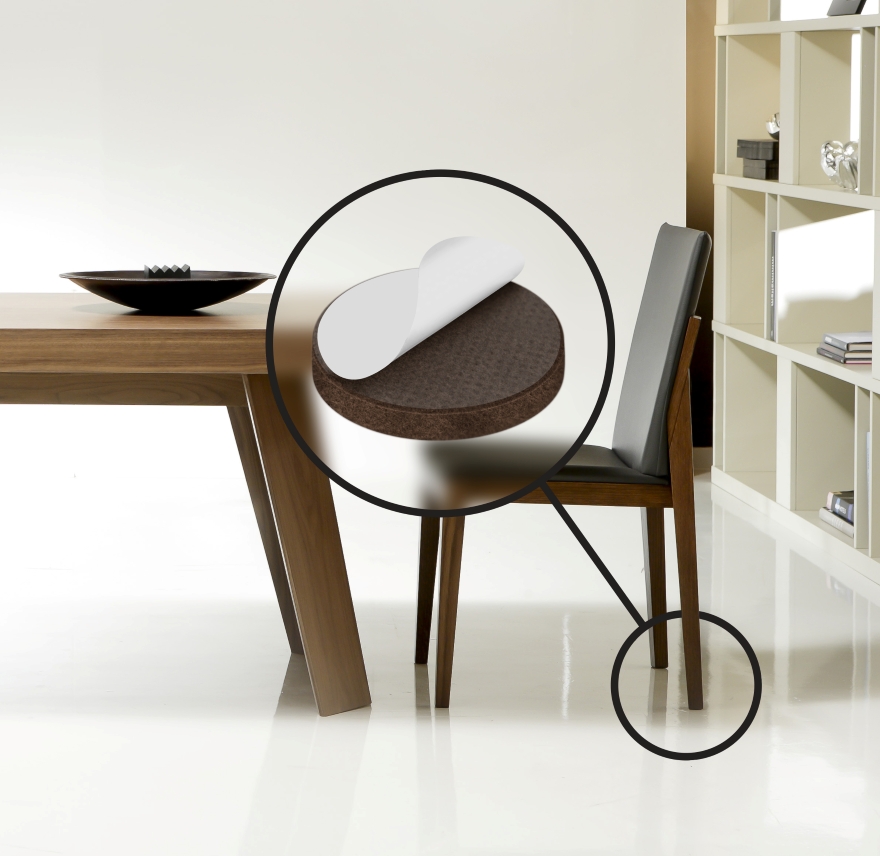
When to Consider Floor Protectors for Chairs in Shared Homes
Shared homes are hard on floors. Chairs move in and out all day, friends stop by, kids race to the table, and no one is thinking about tiny scratches on wood or vinyl. Floor protectors for chairs are a simple way to keep the space quiet, prevent damage, and avoid arguments about who ruined the floor.
In this guide, we will walk through the best times to add protection, what warning signs to look for, and how to pick the right type for your space. We will also share how we at Slipstick design products to handle busy homes with roommates, students, and families.
Stop Scuffed Floors in Shared Homes
In a shared home, chairs are always on the move. Someone is grabbing a quick breakfast, someone else is working on a laptop at the table, and guests are pulling out extra seating. Every little drag of a chair leg across hardwood, vinyl, laminate, or tile wears the surface down a bit more.
Over time, that daily friction can cause:
- Light scratches that turn into dull paths
- Sharp squeaks when chairs move
- Wobbly chair legs from uneven wear
Floor protectors for chairs act like a buffer between furniture and flooring. They help you protect your deposit, keep the place looking fresh, and cut down on stress between people who share the same space.
Key Moments When Chair Floor Protectors Matter Most
Some times of year are harder on floors than others. If you plan ahead, you can stop damage before it starts.
New move-in or lease renewal
Right after moving in or just before a lease starts is one of the best times to add chair protection. Floors are usually at their cleanest, and you can treat protection like part of setting up the home.
Think about:
- Student housing with lots of turnover
- Shared rentals where many people use the same table
- Co-living spaces with mixed furniture on wood or vinyl
Late fall and winter move-ins are extra risky, because rain and grit get tracked in. Grit under chair legs works like sandpaper on hard floors.
Holiday guests and seasonal gatherings
As the weather cools, more people gather inside. Dining chairs get dragged in and out all day, folding chairs show up from closets, and the kitchen becomes the main hangout.
Without floor protectors, this can lead to:
- Scraping and squeaking during big dinners
- Fresh dents or chips near the table
- Late-night noise while others are trying to sleep
Adding felt or rubber-bottom protectors before holiday events keeps things quieter and smoother, even when the house is full and chairs keep shifting.
Shared work or study spaces at home
When a dining room or living room turns into a shared office, rolling chairs can quickly wear grooves into hardwood or laminate. Standard hard wheels can leave cloudy tracks, scuffs, and even small cracks in older boards.
Upgrading to floor-friendly casters or adding low-friction sliders under chair legs helps:
- Make rolling and turning smoother
- Spread weight more evenly across the floor
- Protect the surface during long work or study days
Signs Your Shared Home Needs Chair Protection Now
Sometimes you do not notice floor damage until it is pretty obvious. Catching early signs makes a big difference.
Visible wear and annoying noise
Walk around your shared areas and look for:
- Faint white lines or shiny tracks in the finish
- Tiny chips or dents around the table or island
- Loud scraping every time someone pulls out a chair
- Chairs that wiggle or rock when you sit
These are early warnings that unprotected chair legs are starting to bite into the floor. In colder months, when sand, salt, or wet dirt get dragged in, damage speeds up.
Tension over damage and cleaning
Floor damage can turn into roommate drama fast. One person thinks others are too rough, someone else worries about losing the deposit, and parents may argue over kids dragging stools or play chairs.
Simple chair leg protectors:
- Make care more automatic than rule-based
- Give everyone a clear way to see that the floor is protected
- Reduce blame and awkward talks about “who scratched what”
Changing furniture or flooring
Any time you change the layout, it is smart to think about floor protection again. That includes:
- Adding a new rug or runner
- Upgrading to vinyl plank or new laminate
- Moving the table, couch, or desk to a new spot
Different floors need different protectors. Tile, hardwood, vinyl, and outdoor decking all respond differently to friction and weight. When the surface changes, it is a good time to check if your current protectors still fit, grip, and glide the way they should.
Choosing the Right Floor Protectors for Shared Spaces
Not all chair-floor protectors work the same way. The right choice depends on the floor and how you use the space.
Match protectors to floor type and chair use
Here is a simple breakdown:
- Felt pads or glides, great for hardwood and laminate where you want quiet, easy sliding
- Rubber grippers, better for tile or smooth floors when you want chairs to stay in place
- Sliders, handy when you move furniture often but still want protection
- Floor-safe caster wheels, smart for office chairs on wood, vinyl, or laminate
Ask yourself if you want more grip or more glide. Bar stools and dining chairs near kids often need grip. Desk chairs in a shared office usually need smoother movement. In busy homes, attachment quality matters so protectors do not peel off.
Easy, low-maintenance options roommates can share
Shared spaces work best when everyone is on the same page. That includes floor care.
- Slip-on caps that stretch to fit different leg shapes
- Screw-in glides that stay put even with heavy use
- Colors that blend with chair legs and floors
The goal is to install them once on every chair, then forget about them for a long time. Good protectors handle frequent cleaning and changing humidity without falling off or getting gummy.
Indoor and outdoor shared areas
Shared living is not just about the inside. Patios, balconies, and decks see lots of chair movement too. Metal and wood legs can gouge decking, chip tiles, and rust where they meet moisture.
Weather-resistant protectors:
- Stay flexible in cooler temperatures
- Keep chairs from sinking into soft wood or marking tile
- Help protect both the floor and the chair legs from water damage
How Slipstick Helps Shared Floors Last Longer
At Slipstick, we focus on high-performance floor protection that stands up to real life. Shared homes are exactly the kind of spaces we design for.
Engineered solutions for busy furniture
Our range includes:
- Chair leg pads for smooth, quiet movement
- Gripper cups that keep furniture from sliding
- Risers that adjust height and improve stability
- Low-friction sliders for easier rearranging
- Floor-safe caster wheels for home office chairs
We design for many surfaces, from hardwood, vinyl, and laminate to tile, carpet, and outdoor decking, so mixed surface homes can stay protected in every room.
Benefits for renters, students, and shared families
For renters and students, the right floor protectors for chairs help keep security deposits safe and prevent surprise repair costs. For families in shared spaces, they reduce noise, add stability, and make daily life a bit calmer.
When floors stay smooth and chairs move quietly, everyone notices. That kind of comfort makes shared living easier.
Frequently Asked Questions About Chair Floor Protectors
1) Do I really need floor protectors if my chairs are lightweight?
Yes. Even lightweight chairs can scratch and dull floors over time, especially when people slide them in the same spots every day. Floor protectors create a soft, smooth layer between chair legs and the floor, cutting down on scuffs and noise, which is especially helpful in shared homes.
2) Which floor protectors are best for hardwood floors in a rental?
For hardwood, felt pads or glides designed for wood floors work well. They let chairs move quietly while cushioning impact. It is usually better to avoid hard plastic bottoms that can trap grit. Secure attachment, either adhesive or screw in, helps them stay on during heavy use.
3) How often should I replace floor protectors on chairs?
In busy shared spaces, it is smart to inspect floor protectors every few months. Replace them when felt looks thin or dirty, or when rubber feels hard, slick, or cracked. A quick check before and after the holiday season keeps protection working the way it should.
4) Are floor protectors safe to use on vinyl and laminate floors?
Yes, as long as they are made from floor-safe materials. Soft, non-marking felt, rubber, or certain plastics are usually a good match for vinyl and laminate. Avoid products that can stain or react with the finish. When chosen correctly, protectors can help these floors look good for longer.
5) What if my roommates do not want to change how they use the chairs?
That is the nice part about floor protectors. Once they are installed on every chair, no one has to change habits. The protection works every time someone sits, slides, or swivels. Framing them as a simple way to reduce noise and protect everyone’s deposit often makes roommates more open to using them.
Protect Your Floors And Keep Your Chairs Gliding Smoothly
If you are ready to stop worrying about scratches and scuffs every time a chair moves, we are here to help. Our floor protectors for chairs are designed to shield your surfaces while keeping everyday use simple and quiet. Slipstick can help you choose the right style and size for your space so your floors look great longer. Have questions about which option fits your furniture best, just contact us and we will walk you through it.