Slipstick Grippers

Bench Gripper Image Set Contents

What Makes Gripper Pads Lose Hold and When to Replace Them

Gripper pads for furniture are small, but their role at home is pretty big. They keep chairs, tables, and other pieces from sliding, shaking, or scratching the floor. Over time though, these pads stop doing their job as well as they used to. Floors start to feel noisier, furniture shifts during use, and the grip just isn’t what it was. That’s when those pads might need a closer look.

Knowing how gripper pads wear out makes it easier to spot the signs early. Whether it’s old glue, worn rubber, or just too much pressure over time, once the hold starts to slip, the noise and movement usually follow. We’ve seen how small changes like a fresh pad can make life at home feel noticeably quieter and smoother again.

Common Reasons Gripper Pads Stop Working

Over time, even the best gripper pads wear down. Some causes are easy to see, while others take a while to notice. The most common reasons come from use and what’s going on around the pad itself. Here’s what tends to break down the hold:

  • Dust and dirt build up under the pad surface, reducing the stick and grip
  • Change in weather, especially in cooler months, causes materials to stiffen or the adhesive to loosen
  • Long-term wear from repeated movement starts to flatten the pad and weaken its support

When a pad flattens out, it’s not as good at spreading pressure evenly, which can make a chair wobble or slide. When the glue underneath gets affected by changes in air moisture, the pad might start curling at the edges or slipping out of place. Each of these issues slowly reduces how well the pad keeps a piece of furniture steady on the floor.

Signs It’s Time to Replace Old Pads

Some signs are obvious, like a dining chair that suddenly scoots when you stand up. Others sneak in more slowly. Any drop in grip or sudden sound where it used to be quiet is a good reason to take a look underneath.

Common signs to watch for include:

  • Furniture sliding with light pressure that used to stay put
  • Pads coming untucked or peeling at the sides
  • Return of small rattles, squeaks, or tippy movements that used to be resolved

Any one of these is enough of a reason to check the pad’s shape and condition. If it looks hard, dirty, or worn out, chances are it’s not doing much good anymore. Waiting too long might also lead to light damage on the floor, especially in rooms with hard surfaces.

How Environment Affects Pad Lifespan

Not every pad wears the same, even in the same house. Where it’s used, what kind of furniture it supports, and the type of flooring all matter. Some combinations wear things down faster than others, and seasonal shifts do not help.

Here’s how the environment plays into it:

  • Floor type matters, tiles are slippery and tough, while timber has more grip but is easier to mark
  • Autumn and winter bring drier air or extra moisture depending on the space, both can mess with glue
  • Busy areas like kitchens or family rooms wear through pads more quickly than bedrooms or studies

These changes do not mean something was wrong with the pad, it’s just part of daily use. The more movement, the more stress the pad takes. Pads in quieter rooms tend to last longer, but we still like to check them when seasons shift or indoor traffic grows.

Choosing a Better Replacement

When a pad fails, replacing it with just anything might not help for long. A new grip that’s suited to the specific space and floor often lasts longer and performs better. Some come with stronger fibres, others have extra backing to help them stay on.

When choosing a new pad, we often look at:

  • Whether it suits the type of floor, like timber, tile, or concrete
  • If the material is soft enough to protect but firm enough to hold
  • If the backing glue stays in place when the weather changes

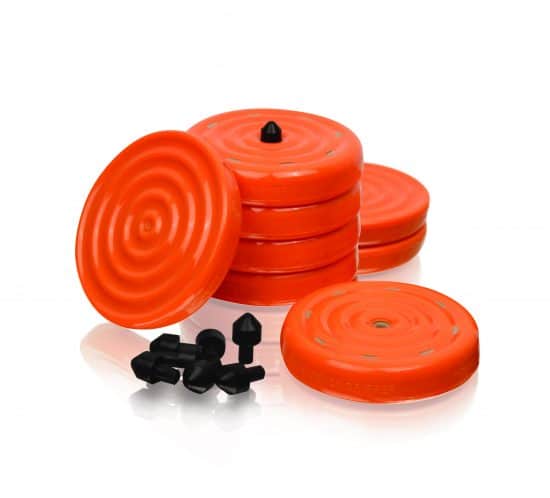
Avoiding one-size-fits-all styles helps. Some furniture gets heavy use, like dining chairs and stools, while other pieces barely move at all. Matching grip strength and wear level can make a big difference by preventing furniture from starting to shift all over again too quickly. Some Slipstick GorillaPad furniture grippers use a non slip rubber base layer bonded to a solid felt core, which is safe for hard floors like hardwood, laminate, tile, LVT, marble and concrete while helping to stop sliding and protect against scratches.

Keeping Pads Working for Longer

Pads won’t last forever, but small upkeep steps can stretch their lifespan. A little attention every few months helps stop major wear from sneaking up. It also makes it easier to catch problems before the furniture or floor suffers from it.

To keep pads holding strong, we suggest:

  • Wipe under the pads now and then to keep dust and grit from building up
  • Slightly rotate heavy chairs or tables over time to spread out the pressure
  • Check busy rooms during season changes, especially before colder months increase indoor time

These steps take only minutes, and the payoff is quieter movement and fewer scratches. Pads that stay clean, balanced, and shaped properly will feel invisible, the furniture simply stays still, without calling attention to itself. Several Slipstick grippers are built to stay under furniture permanently and are made from durable materials so they keep working through everyday use without needing constant replacement.

A Small Fix That Makes the Home Feel Better

Gripper pads might not get a lot of thought until they stop working. But when they do, the difference becomes pretty obvious. Floors sound louder, furniture feels loose, and small movements start to pull focus. All from a tiny pad that no longer holds like it should.

By checking how and where they wear out, and changing them before they fail fully, we keep furniture stable and rooms peaceful. Fresh gripper pads for furniture do not just help the piece sitting on top, they make the whole living space feel steadier and more settled.

Gripper pads tend to wear down when they’re used on the wrong surface or left in place too long without a check. We’ve seen how much smoother and quieter a room feels once fresh pads are fitted properly. Noticing movement where there shouldn’t be is a good reminder to upgrade to dependable gripper pads for furniture that are made to last. At Slipstick, we focus on simple fixes that keep things steady without damaging your floors. Get in touch with us to sort out the best fit for your furniture.
gripper pads

Troubleshooting When Gripper Pads for Furniture Stop Working

Gripper pads for furniture are the unsung heroes of a stable home setup. Keeping chairs in place during dinner or ensuring your couch doesn’t drift away after each movie night are some of the simple pleasures they provide. These small but mighty accessories not only prevent scratches on your floors but also help in reducing noise levels. While they often go unnoticed in daily life, when they stop working, it’s hard to miss. That’s when most homeowners start scratching their heads, wondering why their furniture is suddenly gliding across the room.

Understanding the importance of a well-functioning gripper pad is key to maintaining a harmonious home environment. A small hiccup in their performance can lead to frustrating scenarios, like chasing after chairs or mini table dances every time someone leans on them. Ensuring these pads work effectively not only saves the look of your flooring but also your peace of mind. Let’s explore some common issues that can crop up with gripper pads and see how they can be tackled with ease.

Common Issues with Gripper Pads for Furniture

Gripper pads might seem simple, but they come with their share of challenges. Over time, you may notice that the pads just don’t stick like they used to. A lack of stickiness is a common issue, often due to dust and debris building up over time, or the natural wear and tear that occurs with frequent use.

Another problem might be the pads flattening out. If they appear squashed, they lose the thickness needed to keep your furniture stable. Pads tend to wear out more quickly when used under heavy furniture or if they are moved around often. This not only affects the appearance but also the functionality of the pads.

And what if your furniture still slides despite using the pads? This might indicate that the pads weren’t the right fit for the type of flooring or furniture leg. It’s important to choose the correct type of gripper pad that fits well with your specific furniture and flooring combination to prevent these kinds of mishaps.

Simple Fixes for Gripper Pad Problems

When gripper pads act up, a few straightforward steps can bring them back to life. Here’s what you can do:

1. Clean the Pad and Surface: Over time, dirt can build up under the pads. Regularly cleaning both the pad and the furniture leg can help maintain their stickiness.
2. Reattach or Replace Pads: If the pads have worn out, consider replacing them. Removing the old pad and attaching a fresh one can solve many common problems.
3. Additional Adhesive: If the pads are still functional but lose grip, adding a bit of extra adhesive can help. This provides an additional bond between the pad and the furniture, ensuring they stay put.

These easy fixes can often solve the issues quickly and keep your furniture right where you want it, ensuring your spaces remain just as welcoming and functional as they should be.

Preventative Measures to Extend Gripper Pad Life

To keep your gripper pads in top shape for longer, a few simple practices can make a big difference. Regular cleaning is key. By simply wiping down your furniture legs and pads periodically, you can minimise dirt and debris build-up. This helps maintain their grip and prevents them from becoming a dust haven.

It’s also important to choose the right gripper pad for your furniture. Different types of pads work better with specific furniture and flooring combinations. For instance, rubber pads might work well on hard floors, while felt pads may be more suitable for carpets. A little upfront research can save you a lot of hassle down the road.

Additionally, consider how often you move your furniture. Dragging heavy pieces across the floor overworks gripper pads and shortens their lifespan. Try to lift rather than push heavy items, or minimise movement when possible. This will reduce the strain on your pads and keep them effective for a longer time.

When to Replace Your Gripper Pads

Knowing when to replace gripper pads can be just as important as maintaining them. Here’s how to tell if it’s time for a change:

– Visible Wear and Tear: Check for signs like flattening or splitting. If they no longer cushion effectively, it might be time for a replacement.
– Increased Slippage: Notice your furniture sliding more than usual? This could mean the pads have lost their grip.
– Frequent Adjustments Needed: If you find yourself frequently repositioning your furniture, that could be a sign the pads are no longer doing their job.

When replacing, take the time to compare different types of pads. Some offer greater durability, while others provide additional features like noise reduction. Look for options that align with your needs and are compatible with your furniture type.

Keep Your Furniture Steady with Gripper Pads

The effectiveness of gripper pads directly links to a peaceful and well-organised living space. Regular checks and maintenance ensure that pads do their job, keeping your furniture in place and your floors protected. It’s about paying attention to the little details that can make everyday living more comfortable.

By staying proactive about maintenance and knowing when to replace pads, you’ll not only help avoid inconvenient furniture shifts, but also preserve the look and feel of your flooring. The key is to address any issues when they arise and keep an eye out for signs of wear. With the right care, your gripper pads can continue providing the support and stability you need.

Looking for a reliable solution to keep your furniture steady and your floors scratch-free? Discover the benefits of quality gripper pads for furniture. At Slipstick, we understand the importance of maintaining a harmonious home environment. Our gripper pads deliver dependable performance to suit various furniture types. Feel free to explore our options and keep your living space as cozy and organized as possible.

floor protection products

Best Floor Protection Products to Keep Your Home Safe and Beautiful

Imagine walking into a home and instantly feeling warmth and style. Often, it’s the small details that make a difference, like a beautifully maintained floor. Floors take a fair amount of daily wear and tear, from foot traffic to furniture movement. Preserving their condition not only maintains the beauty of a home but also enhances its overall safety. That’s where floor protection products come into play. These handy solutions help keep your living spaces looking their best while providing practical advantages.

Floor protection products are not just accessories; they are guardians of your home’s aesthetics and safety. Whether you have hardwood, tile, or carpet, utilizing floor protectors can prevent scratches, reduce noise, and increase the lifespan of your flooring. They act as a buffer against the hustle and bustle of everyday life, ensuring your floors remain unblemished and your home remains beautiful.

Types Of Floor Protection Products

When it comes to safeguarding your floors, various floor protection products cater to different needs. Understanding the types available can help you choose the right solution for your home.

– Furniture Pads: These are small cushions typically attached to the bottom of furniture legs. They come in different materials like felt, rubber, and plastic, providing a smooth barrier between the furniture and the floor. Perfect for preventing scratches on hardwood floors.

– Glides: If you have heavy furniture that needs to be moved frequently, glides are your answer. They make it easier to shift furniture without causing damage, suitable for both carpeted and hard surfaces.

– Caps: These cover the feet or legs of furniture, offering protection from wear and tear. Caps are great for both indoor and outdoor use, as they protect against moisture, dirt, and grime.

– Rugs and Mats: While not directly attached to furniture, rugs and mats provide a layer of protection against dirt and damage. They are versatile and can add an aesthetic element to your room.

Each type has its unique benefits and can adapt to different situations, ensuring complete protection for various flooring types. Choosing the right protector depends on your floor’s material and the level of protection required.

When you’re figuring out the right fit, think about how much your floors endure daily. The right product can beautifully and effectively shield your floors.

Benefits of Using Floor Protection Products

Floor protection products offer multiple advantages that contribute to the longevity and appearance of your floors. Here’s how they make a difference:

– Scratch Prevention: One of the primary reasons for using floor protectors is to prevent scratches and dents. Heavy furniture can easily mark pristine surfaces, and protection products act as a buffer.

– Noise Reduction: Moving chairs or other furniture can create noise that’s bothersome. Pads and glides reduce this noise by allowing furniture to glide smoothly over the floor.

– Extended Lifespan: Protectors help floors stay in top condition, which means you won’t have to replace or repair them as often. This longevity is a bonus when you consider the cost and effort involved in floor maintenance.

By understanding the benefits, you’re better equipped to make decisions that protect your investment and keep your floor looking great.

Selecting the Right Floor Protection Product for Your Home

Choosing the right product involves considering various factors like the type of flooring, furniture, and room use. Here are some practical tips to help:

1. Floor Type: Different floorings have unique needs. For hardwood, consider felt pads to avoid scratches. Rugs might work best on tiles to prevent slipping.

2. Furniture Type: Evaluate the furniture’s weight and movement. For heavy items, glides work well, but for lighter, frequently moved pieces, sticky pads could be sufficient.

3. Room Use: Consider how the room is used. High-traffic areas may need more robust protection, such as caps or heavy-duty mats, to handle the wear.

For example, if you have a bustling family room, larger rugs combined with felt underlays can offer protection and add style.

Installation and Maintenance Tips

Installing floor protectors isn’t complicated, but doing it right ensures maximum effectiveness. Here’s how you can manage installation and maintenance:

– Installation: Clean the furniture legs or the spot where you plan to attach protectors. This helps in better adhesion, especially for sticky pads. Ensure correct alignment before securing them.

– Regular Checks: Inspect the protectors periodically. Replace worn-out pads and check for any detached protectors. This quick maintenance avoids potential scratching.

– Cleaning: Keep both the floor and protectors clean. Dust and debris on pads can lead to scratches. Clean or replace the protectors if they become too dusty or damaged.

Keep Your Home Safe and Beautiful with Floor Protection Products

By thoughtfully choosing and using floor protection products, you’re not just preserving your floors but elevating your entire home environment. These small tools go a long way in maintaining a beautiful and secure living space, adding value and comfort to everyday life. Investing time in understanding and applying the right protection aligns with caring for one of your home’s most prominent features. With the right products in place, your floors will continue to look pristine for years to come.

Complete your home’s transformation with the right floor protection products. Explore Slipstick for comprehensive solutions that safeguard your floors and enhance your living space. Discover how our diverse range can cater to any room setting, ensuring a durable and stylish home. See our offerings for floor protection products to find the perfect match for your needs.

hardwood floors

How to Use Gripper Pads for Furniture to Stop Sliding on Hardwood Floors

Have you ever sat down on your couch only to find it slowly sliding across your beautiful hardwood floor? You’re not alone. This everyday nuisance can be more than just annoying. Without the right solution, it can lead to scratches, dents, and even damage to your flooring. Such issues often arise because many furniture pieces aren’t equipped to handle smooth surfaces like hardwood. As furniture glides and shifts, it can lead to constant adjustments and floor maintenance.

One straightforward solution is using gripper pads for furniture. These handy little accessories are designed to keep your tables, chairs, and sofas firmly in place. They’re easy to apply, affordable, and a great way to protect your floors from unnecessary wear and tear. Gripper pads provide an effective barrier between your furniture’s legs and the floor, minimizing movement and maintaining a peaceful and organized home environment.

Benefits Of Using Gripper Pads

Gripper pads offer numerous advantages, making them a practical choice for anyone with hardwood floors. Here’s why they’re worth considering:

1. Preventing Scratches and Damage: One of the key benefits is their ability to protect your floors. By placing a soft barrier between furniture legs and the floor, gripper pads reduce the risk of scratches and scrapes that can happen when furniture moves.

2. Noise Reduction: If you’ve ever dragged a chair across a hardwood floor, you’re familiar with the unpleasant sound it makes. Gripper pads can significantly dampen such noise, creating a quieter, more serene living environment.

3. Enhancing Stability and Safety: With gripper pads, your furniture becomes more stable and secure. This is particularly important in homes with children or elderly residents where accidental bumps into unstable furniture can lead to falls and injuries.

4. Easy Installation: Gripper pads are simple to install. They don’t require any special tools, and they can be cut to size if needed. This makes them an accessible option for virtually everyone, regardless of their handy skills.

Incorporating gripper pads into your home isn’t just about prevention; it’s about creating a better living space that’s safe, quiet, and efficient. Investing a little effort in applying these pads can greatly improve your daily home experience.

How to Choose the Right Gripper Pads for Furniture

Selecting the perfect gripper pads can make a difference in how effective they are in preventing your furniture from sliding. Begin by considering the size and weight of your furniture. Heavier pieces will need thicker or more durable pads to hold them steady. Also, the shape and material of the furniture legs can dictate the type of grippers you need.

Next, think about the floor surface. Different pad materials work better with certain types of floors. For instance, a rubber pad might offer better grip on smooth hardwood than a felt one. Measure the bottoms of your furniture legs so you can pick pads that fit neatly without extending beyond the edge, which can become unsightly and less effective.

Lastly, look for gripper pads that offer easy installation. Ideally, options with adhesive backing provide a no-hassle application process. A little time spent choosing the right pads can save a lot of future frustration.

Step-by-Step Guide to Installing Gripper Pads

Getting your gripper pads set up is a straightforward task that can be done quickly with minimal tools. Here’s a simple guide to get you started:

1. Gather Materials: Make sure you have the gripper pads, a measuring tape, and a clean cloth or household cleaner using a gentle formula to avoid residues.

2. Clean Surfaces: Use your cloth or cleaner to wipe down the bottom of the furniture legs and the area of the floor where they’ll rest. This ensures that the pads stick properly.

3. Prepare Gripper Pads: If your pads need trimming to fit the base of your furniture, do that now. Make the cut neat and precise for the best look and functionality.

4. Apply Pads: Remove any adhesive cover on the pad and firmly press it onto the cleaned furniture leg. Ensure it’s centred and well-attached.

5. Check and Test: Place the furniture back on the floor and give it a slight push to ensure everything is secure.

You’ll soon realise a huge improvement in stability, and your floors will thank you for it!

Maintaining and Replacing Gripper Pads

To keep your gripper pads working optimally, regular maintenance is helpful. It’s a good idea to check them during routine cleaning. Wipe the pads with a damp cloth to clear off any dust that might have accumulated. This will keep them gripping well.

Watch for signs of wear and tear like cracking, thinning, or decreased grip. When you notice these, it’s wise to replace the pads promptly. With simple upkeep and timely replacement, you’ll continue to have beautifully protected floors without unwanted scuffs or movement.

Enjoy Your Steady and Scratch-Free Furniture

By now, you’ve learned about the power of gripper pads and how they’re a practical solution to furniture slippage. Incorporating these small additions can make a big difference to your home. They ensure that your furniture stays right where it should, letting your hardwood floors remain stunning and damage-free.

Taking these precautions will not only maintain the aesthetic of your space but will also enhance the feeling of stability and peace of mind. Try them and experience the comfort of a well-secured home.

To ensure your furniture stays put and your floors remain beautiful, explore the selection of gripper pads for furniture at Slipstick. Find a variety of options designed to keep your home stable and scratch-free.

chair leg foot protector

Avoid Floor Damage with Chair Leg Floor Protectors_ Tips and Tricks

Imagine gliding your chair across the floor, only to hear the dreaded sound of a scratch. Floor damage caused by chair legs is a common issue many face. Whether at home or in the office, the constant use of chairs can lead to unsightly scratches and annoying noise. These problems not only affect the aesthetics of your flooring but can also decrease its lifespan, leading to costly repairs or replacements.

That’s where chair leg floor protectors come in as a simple solution. These handy tools fit onto the bottom of your chair legs, providing a buffer between the chair and the floor. By acting as a gentle cushion, they help prevent scratches, reduce noise when moving chairs, and add stability to the furniture, making them a smart investment for maintaining pristine floors.

Why Use Chair Leg Floor Protectors?

Chair leg floor protectors offer a range of benefits that make them an ideal solution for anyone looking to keep their floors in top condition. Here’s a closer look at what they can do:

– Prevent Scratches: Floor protectors are designed to stop those annoying scratches that come from moving chairs on hard surfaces. They act as a barrier, ensuring the chair legs don’t come into direct contact with your beautiful floors.

– Reduce Noise: Nobody likes the sound of chairs scraping across the floor. Floor protectors help soften this noise, turning the loud scrape into a gentle glide, creating a more peaceful environment.

– Improve Stability: Protectors provide extra grip, preventing chairs from slipping around. This added stability can be particularly beneficial in homes with young children or in busy office settings.

Various scenarios highlight the usefulness of these floor protectors. In homes with hardwood or laminate floors, chair leg protectors can preserve the surface and keep it looking new. They’re also valuable in offices where chairs are frequently moved, helping to maintain a quieter, more professional atmosphere without the constant interruptions of noise and scratches. With these benefits, integrating chair leg floor protectors into your space is a simple yet effective way to keep your floors looking great for years to come.

Types of Chair Leg Floor Protectors

When it comes to stopping scratches and noise from chairs, you’ve got a few protector options to choose from. Each style comes with its own perks and a few downsides, so it’s all about figuring out what works best for you.

1. Felt Pads: These soft little cushions are great at protecting hard floors. They’re quiet, gentle, and super easy to attach with self-adhesive backings. The downside is they might wear out over time, especially if your chairs get a lot of use. It’s a good idea to check them regularly and swap them out when they get worn.

2. Rubber Caps: Made for heavier-duty protection, these caps fit snugly over the chair legs. They’re fantastic at gripping the floor, reducing slip, which is excellent for tile or marble floors that can be slippery. On the flip side, they might not slide as easily on carpeted floors.

3. Plastic Glides: These are perfect for smooth flooring surfaces like hardwood and tile. They make moving chairs a breeze without marking up floors. However, they might need more frequent cleaning to prevent dust and dirt from scratching the surface beneath them.

Choosing between these depends on your needs and floor type. For instance, felt pads work well on hardwood but may not be best for carpets. Rubber caps offer superb stability on slippery surfaces and plastic glides ensure easy movement. Weigh up these factors to make the best choice for your floor protection.

Tips For Choosing The Right Protectors

Picking the right floor protector makes a significant difference. Start with the type of floor you have. Hard surfaces like hardwood and tiles need different protectors compared to carpets. Think about how often you move your chairs and their weight, as both will influence wear and tear on protectors.

It’s worth considering the chair’s material as well. Wooden chairs might pair well with soft pads, while metal ones could benefit from protective caps. Be mindful of how the protectors attach. Adhesive pads might be easier to use but tend not to last as long on high-traffic chairs. Cap styles usually hold up longer since they grip the chair leg firmly.

When fitting the protectors, measure the diameter of the chair legs to ensure a snug fit. This keeps the protectors secure and helps prevent them from coming off during use. A solid fit means they stay put and do their job effectively, without extra hassle.

Installation And Maintenance Tips

Installing chair leg floor protectors isn’t just simple; it’s also quick, making it an easy upgrade for any furniture piece. Here’s a straightforward plan to guide you through it:

1. Clean the Chair Legs: Wipe down the legs where you’ll attach the protectors. Removing any dirt helps the glue or grip hold longer.

2. Align and Attach: With adhesive pads, just peel off the backing and press firmly onto the chair leg. For caps, slide or stretch them over the ends of the chair legs.

3. Test the Fit: Once attached, check if they hold tight by wiggling the chair a bit. A firm grip ensures effectiveness.

Keeping those protectors in good shape is essential to protect your floors continuously. Make a note to clean them regularly to prevent dust and grime buildup, which might scratch the floors. Every few months, inspect them to ensure no wear or cracks have developed; replace as needed to maintain floor protection.

Understanding your floor and chair needs, followed by choosing suitable protectors and following these maintenance tips can significantly extend the life of both your furniture and your floors, leaving them looking their best.

To make sure your floors stay scratch-free and your furniture remains stable, explore Slipstick’s range of chair leg floor protectors. These solutions are designed to meet various needs, whether you’re at home or in a bustling office. Choose the right protector for your setup and see how easy it is to care for your floors with minimal effort. Find out more about Slipstick’s quality products today.

Loading new posts...
No more posts