
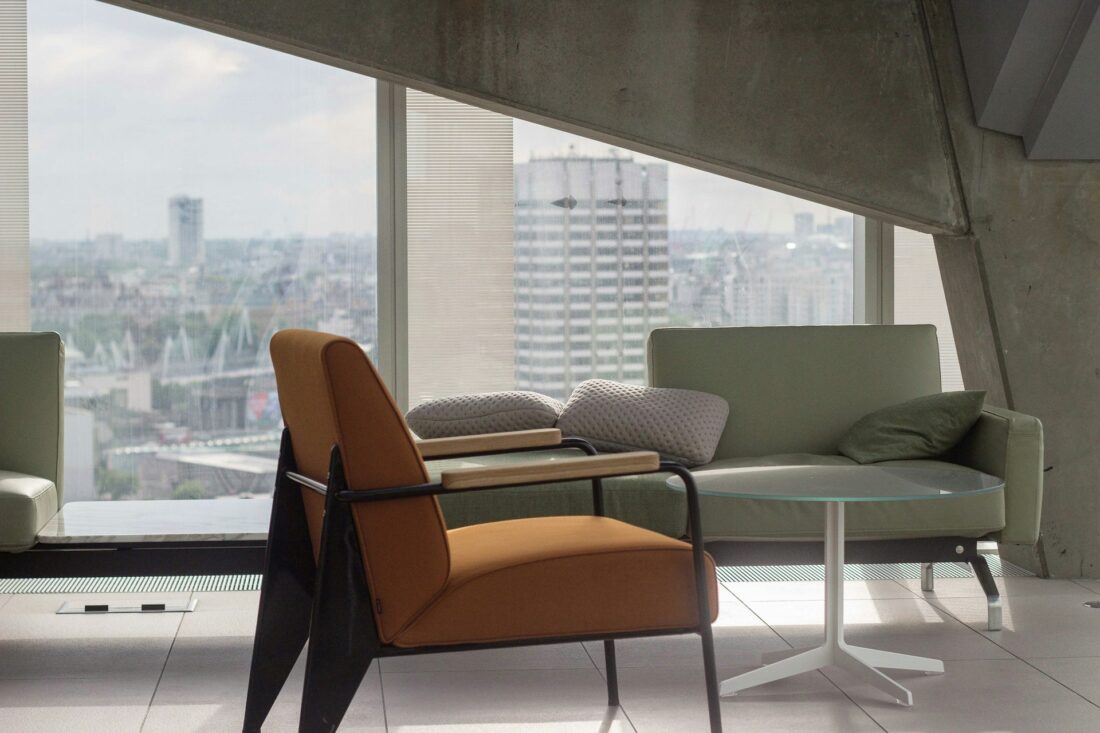
Guide to Keeping Furniture From Marking Tile Floors in Humid Climates
High humidity can quickly change how solid tile floors behave. Add regular movement from chairs, lounges, or tables, and small shifts start to leave marks. Light pressure builds up, making tiles wear down or grout lines crumble over time. In more humid parts of the year, all that extra moisture in the air creates more movement between furniture and the floor.
Furniture protectors only help if they are fitted well and made for damp conditions. When the right floor protection products are used the right way, they stop damage before it becomes a problem.
Understanding How Humidity Affects Tile Floors
It is easy to think of tiles as strong and unchanging. But during humid seasons or in coastal areas, they respond to slow shifts in the environment around them.
When moisture fills the air, it can sneak into gaps and under tiles. This can cause problems like:
- Weakening grout, especially in older tiled spaces
- Raised tile corners where moisture sits and slowly pushes upward
- Unexpected movement when walking or sliding furniture across slightly uneven ground
During heavy humidity, temperature drops can make furniture legs stick more. That stickiness leads to rougher movement, which quickly translates into surface scrapes. These effects often go unnoticed during short dry spells but build over longer muggy seasons.
Why Furniture Leaves Marks on Tile Surfaces
Some furniture does more harm to tile floors than others. That is usually because of how pressure sits under it or how the feet are shaped. When you zoom in, tile is not actually one smooth surface. The joints, textures, and edges all give furniture legs something to dig into when they shift, especially during humid months when everything feels heavier.
What usually causes damage includes:
- Hard leg materials like metal or timber pressed straight onto tile
- Uneven feet that create pressure points instead of even weight
- Daily movement, especially with seating like dining chairs or recliners
Regular use without proper support means the furniture slowly scrapes, chips, or wears at the same spots. You will see this more in living rooms, kitchens, or tiled hallways where furniture moves more often.
Choosing Floor-Safe Preventatives That Work in Humid Areas
Not all furniture pads will work in a humid climate. Moisture changes how well materials grip, which can send protection sliding out of place or even make it stick too hard.
When choosing protective support that holds up over time, look for a few important things:
- Products with moisture-stable materials like rubber with full contact grips
- Pads or cups that have a solid bond without being permanently stuck
- Sliders that do not absorb moisture or warp during wet periods
A large part of success with floor protection products is how well they stay in place. If they shift or fall off, they are not doing their job. Make sure the base of the furniture is dry before applying anything, and check that the size matches closely to avoid gaps. Many Slipstick GorillaPad furniture grippers use a specially formulated anti slip rubber base layer with a solid felt core, which is safe on hard floors like tile, laminate and hardwood and helps protect these surfaces from scratches or damage. Some models are also designed to help stop moisture from travelling up into wooden furniture feet, which is useful in damp or coastal homes.
Maintenance Tips to Avoid Long-Term Tile Damage
Once your setup is in place, it does not need much effort to remain effective. A few quick habits can make a big difference, especially during and after wet seasons.
During high-humidity months:
- Wipe down pads or cups weekly so they do not trap damp grime
- Keep a close eye on signs of wear, like flattened corners or missed coverage
- Replace any that feel loose or look worn before they slide out completely
It is helpful to mop gently around furniture instead of directly over or under it with a lot of force. Some mops leave moisture sitting near edges, which can lead to slow lifting or damage to soft grout.
Creating a Setup That Stays Put and Protects
Even with high-quality protectors, dragging furniture the same way every day can wear down tile spots. Sometimes a small change in layout offers significant improvement.
You can reduce surface damage by:
- Shifting heavy items slightly on occasion so pressure spreads differently
- Placing hallway runners or stable mats under known scrape areas
- Using thin spacers where needed to keep items from drifting over time
If you move furniture for cleaning each season, try using soft wraps or lifting supports to avoid dragging. Scratches often happen during these bigger furniture shifts rather than everyday use. In some cases, simply adding a mat near a lounging area prevents years of slow tile wear.
Enjoy Your Tile Floors Without Worry
Tile floors do not need to be damaged just because the weather is humid. A few small habits, like checking your protectors and making slight layout adjustments, can help a great deal. Moisture in the air will always influence how your floors and furniture interact, but matching your protection methods to the season makes everything work more smoothly.
The right precautions offer a steadier setup year-round. With some care in your daily routines and the use of well-fitted support, you can enjoy your tile floors for longer without being surprised by long-term marks, scrapes, or surface wear.
Regardless of how much moisture is in the air, your tile floors can remain safe with the right approach. It is always wise to use stable, weather-ready supports built to handle daily use and seasonal changes. For humid spots or homes near the coast, dependable floor protection products help avoid loose fittings or long-term scratches that slowly appear. At Slipstick, we design ours to hold tight without leaving marks behind. Not sure which type suits your space? Contact us and we will help you get started.