Slipstick Sliders

Modern living space with large windows, a pool view, wooden floors, and stylish furniture.

What to Do When Floor Sliders Leave Scratches on Your Timber Flooring

Timber floors can be stunning but hide no wear and tear. If you used furniture sliders for carpet on timber, scratch marks can appear unexpectedly. Many have found their floors covered in scuffs or deep indents despite trying to be safe.

If your sliders created more damage than protection, you are not alone. Fortunately, there are ways to prevent further damage and habits to keep furniture moving smoothly without harming floors. We will explore common problems and how to avoid further scratching.

Recognising the Type of Damage Sliders Can Cause

When floor sliders go wrong on timber, they leave noticeable marks. Though the surface may appear shiny, timber is soft enough for small grit or hard plastic to dig in. It is important to identify the damage early.

Typical marks include:

  • Light scuffs on the surface
  • Deeper scratches along or across the grain
  • Gouges or dents from hard impacts

Damage also depends on furniture usage. Heavier pieces with sharper legs tend to leave deeper marks, especially with frequent movement. Using carpet sliders on timber worsens this by failing to glide properly, causing uneven wear.

Why Using the Wrong Sliders Creates Problems

Not all sliders do the same job; they are specific to surfaces. Furniture sliders for carpet minimize resistance on soft pile, but their harder bases may be too rough for timber, concentrating pressure on a small area and acting like sandpaper over time.

Materials matter too. Felt may seem gentle but can pack down and trap grit, while hard plastic can grab, skip, and dig into timber, leaving sharp lines behind. A mismatch can make your furniture tiptoe rather than glide, leading to further damage.

What to Do If You’ve Already Noticed Scratches

If your sliders left marks, stop moving the furniture and inspect the area. Look for dirt buildup and check whether the sliders are cracked or worn. Continuing to move them will only spread the damage.

Here is what we recommend:

  • Stop sliding and switch to lifting
  • Check and remove sliders if they are the wrong fit
  • Sweep or dust under furniture legs before repositioning

Avoid quick fixes like furniture polish or sanding pens, as they may complicate repairs later. The shape, depth, and grain direction matter when repairing timber, and guessing can create more harm.

Choosing Sliders That Actually Work on Timber Floors

When you are ready to stop the scratching, check the sliders you use. The right ones make enough contact to carry weight while gliding gently. Look for sliders with:

  • Soft bases, such as rubber or coated pads, that do not scratch finishes
  • Sizes that match the width and weight of your furniture
  • Padding that remains secure under each leg

Some Slipstick felt furniture sliders use ultra-low friction wool-blended felt bottoms with rubber foam tops, designed to protect hardwood, LVT, tiling, laminate, linoleum, bamboo, and other hard surfaces. They can be reused or left under furniture permanently and come with a five-year free replacement warranty if they wear out early. Make sure the sliders suit your floor usage; a slider for soft surfaces may not perform well on timber. If they become loose, rotate, or fill with grit, it is time to replace them.

Some people leave sliders on permanently, but like any frequently used item, they wear down. Regular checks can prevent costly repairs down the track.

Adjusting Your Setup to Prevent Future Scratches

Once the furniture is set and your new floor-friendly sliders are in place, maintaining scratch-free floors requires simple upkeep. Small adjustments help:

  • Shift heavy items every few months to avoid grinding in one spot
  • Always sweep or vacuum before moving furniture
  • Create space before shifting, rather than twisting or dragging

Even dust under a slider can act like sandpaper if trapped. A quick clean makes moves smoother and floors safer. If a leg wobbles or sticks when moving a chair, inspect the sliders, as temperature changes can alter the shape of timber boards.

Protect Your Timber Floors Without Stress

Keeping your floors scratch-free does not mean stopping movement. It requires knowing which sliders suit your space and preventing damage buildup. Many find that carpet sliders can harm timber, but once the right gear is used, marks diminish.

Adjust your habits by lifting instead of dragging and routinely checking under furniture. This approach helps maintain clean, even floors and preserves the natural beauty of your timber.

Using the wrong gliders can turn a simple move into a scratched-up floor, but switching to the proper sliders is a quick fix. Our furniture sliders for carpet are made to handle shifting weight without sacrificing the condition of your surfaces. They are designed for smooth motion and steady support, even under heavy furniture. At Slipstick, we make it easy to match the right slider to the floor so you are not stuck replacing timber boards later. If you are unsure which sliders suit your setup best, contact us today.

furniture slider

What Causes Furniture to Slide on Hardwood Floors and How to Stop It

Hardwood floors can make any space feel warm and polished, but they have one common issue. Furniture does not always stay where you put it. If your chairs, tables, or couches keep sliding every time you sit down or lean in, you are not alone. During summer, the problem tends to get worse. The heat can affect the feel of timber floors, and worn floor protectors stop doing their job properly.

Using the right support, like gripper pads for furniture, can make a noticeable difference. These small additions help keep things in place without damaging your floor. Let us look at what actually causes all that movement, and simple ways to stop it before it becomes a bigger problem.

Understanding Why Furniture Slides on Hardwood Floors

Some furniture just will not stay still, and that usually comes down to a few small details. Timber floors are naturally smooth, especially when they have been cleaned or polished. That smoothness makes it easier for things to move, even with the lightest touch.

There are a few reasons why sliding happens more often.

  • Plastic or metal feet are more likely to slip than rubber or fabric ones
  • Lightweight furniture does not have enough weight to stay firmly in place
  • High moisture in the air during summer can make surfaces feel slicker
  • Older floor protectors might look fine but often lose their grip without warning

Slipstick gripper pads are made to sit between the furniture foot and the floor, and many use a non-slip rubber surface that grips both, which helps stop this type of movement on smooth hardwood.

When all of these factors line up, your furniture starts to move more than usual, no matter how careful you are.

Common Mistakes That Make Furniture Slippage Worse

Sometimes, the little habits we overlook make the sliding worse. A few small oversights can add up and make things harder to control. Here are a few everyday mistakes to steer clear of.

  • Using floor protectors made for tile or carpet on hardwood will only make sliding more likely
  • Ignoring signs of wear, like flattening or slipping felt pads, leads to trouble
  • Dust, pet hair, or fine debris under furniture feet can act like ball bearings
  • Uneven weight on heavy items (like only filling one side of a TV unit) can shift the balance

Avoiding these mistakes takes only a few minutes now and then, but it can prevent repeat problems later on.

Simple Fixes to Keep Furniture Stable

Once furniture begins to slide, it is tempting to keep pushing it back into place. But that only works for a while. A better approach is to take some easy steps that address the root of the issue. If your floor is clean and still slick underfoot, it may be time to upgrade your furniture supports.

Practical ways to keep things in place include the following.

  • Choosing floor protector materials suited to your timber floor surface, like rubber or silicone
  • Placing rug pads or grip mats underneath thinner rugs, especially when they sit under furniture
  • Using proper gripper pads for furniture legs that match the shape and size of each item
  • Wiping protector surfaces and floor contact points regularly to prevent grime build-up

Many Slipstick GorillaPad grippers use a non-slip rubber base layer with a solid felt core, which helps them grip hard floors without scratching and keeps furniture steady on surfaces such as hardwood, laminate, and tile.

These changes do not require a complete room makeover. They just work better when planned carefully, especially as surfaces can shift with the weather.

When It’s Time to Replace Floor Protection Products

No furniture pad or protective layer lasts forever. Over time, they wear out and lose their shape or grip. Knowing when to replace them is one of the most helpful ways to stay ahead of future problems.

Look for these signs.

  • Pads that are squashed flat, peeling off at the edges, or leaving marks on the floor
  • Furniture still shifting even after cleaning means it is time for new protectors
  • Gripper pads falling off or cracking along the edge are no longer useful
  • A protector that does not match the size or leg shape will not work properly and may even cause scratching

Some Slipstick peel-and-stick gripper pads use a strong adhesive backing, so once you clean the furniture leg, you can press them on firmly, and they stay in place through regular daily use.

Taking the time to find the right replacement helps everything work together more smoothly, right down to how the floor feels when you walk through the room.

Get Steady Furniture and Peace of Mind This Summer

If furniture keeps sliding every time someone moves or leans, it can feel frustrating. Often, it is not the furniture to blame but the parts we do not see, like the worn pads under the legs. Heat and humidity through summer only make the problem worse.

Stopping furniture from slipping takes a bit of care, but the effort goes a long way. From cleaning the ground to fitting the right pads, each small step adds comfort and stability at home. And with warmer days just ahead, it is the perfect time to get all those little details sorted so your furniture stays put without a fuss.

Tired of your furniture sliding out of place even after trying different solutions? At Slipstick, we understand how important reliable support is, particularly when floors tend to get more slippery during the warmer months. A stable home starts with the right materials, and our range of gripper pads for furniture is designed to keep things secure without causing any damage to your flooring. Whether you are dealing with an unsteady lounge or a coffee table that just will not stay put, sorting it now can make your everyday routine feel much more settled. Reach out to our team today to get started.

furniture

What to Do When Furniture Is Too Heavy to Lift: Furniture Lifter Solutions

When confronted with the challenge of moving heavy furniture, many people find themselves in a tough spot. It’s a common problem, especially in homes where certain pieces seem almost immovable. Whether you’ve rearranged a room and can’t quite get the sofa to the corner you envisioned or need to clear some space for a family gathering, the weight of furniture can be a real obstacle. This is where furniture lifters come into play, offering a simple yet effective way to make moving furniture less of a struggle.

Lifting heavy furniture isn’t just about muscle power; it’s about safety and strategy too. Trying to shift a heavy object on your own can lead to injury or damage to the furniture or floors, which nobody wants. That’s why understanding the best approaches to tackle these hefty tasks can transform how you handle heavy items at home. Learning about safe methods and useful tools can help preserve both your health and your home while making furniture moving much more manageable.

Why It’s Important to Avoid Lifting Heavy Furniture Alone

Tackling the task of moving heavy furniture by yourself may seem tempting when you’re eager to rearrange a room. However, lifting alone carries significant risks. Injury is one of the foremost concerns, as heavy lifting can lead to muscle strains or back injuries, which can impact your daily life. Proper lifting techniques are often overlooked when one is in a hurry, leading to slips, trips, or more severe injuries.

Beyond personal safety, there’s also the risk of damage to your furniture and flooring. Scratches, dents, or worse can happen when heavy items are not handled with care. Proper handling doesn’t just prevent accidents; it also helps maintain the quality and appearance of your floors and furniture. Employing safe strategies and asking for help or using specialty tools can ensure everything stays in top condition during a move.

Types of Furniture Lifter Solutions

Furniture lifters simplify the task of moving heavy objects, each designed to handle varying weights and types of furniture. Here’s a look at the most common solutions:

– Furniture Lifters with Wheels: These are fantastic for smoothly moving items across hard floors, reducing physical strain. You can tuck them under furniture corners and roll heavy items with ease.

– Furniture Lifter Straps: These are straps worn over the shoulders or around the arms, distributing weight evenly and freeing up your hands to navigate bulky furniture. They can be adjusted for both height and weight, providing flexibility in handling pieces of different sizes.

– Furniture Sliders: Great for carpeted areas, sliders are placed under furniture legs to help glide items across the floor, minimising friction and effort.

Each solution comes with its pros and cons. For instance, lifters with wheels are perfect for flat, hard surfaces but may not be ideal for carpets. Straps allow for more control, but require two people for maximum effectiveness. Sliders are handy on carpets or rugs, but might not work well on uneven surfaces. Choosing the right tool depends on your specific needs and the nature of your home’s flooring.

These solutions make it easier and safer to move furniture, turning what might seem a daunting task into a manageable chore. By using the right lifters, you gain control and reduce the risk of injury or damage, making it possible to rearrange your space efficiently and with confidence.

How to Use a Furniture Lifter

Getting to grips with a furniture lifter is straightforward, but a few pointers can make the task even smoother. Before you begin, make sure the path is clear and free from obstacles to prevent any accidents. Then, follow these steps to safely use a furniture lifter:

1. Place the Lifter: Position the lifter under one corner of the furniture. Most lifters have an easy-to-use lever that allows you to get under heavy objects without much hassle.

2. Lift Gently: Apply pressure to the handle or lever to gradually lift the corner of the furniture. This prevents sudden movements that might cause damage or injury.

3. Add Rollers or Sliders: Once lifted, place your preferred moving aids, like wheels or sliders, under each leg of the furniture. This way, you can roll or glide your item to its new location with ease.

4. Lower Carefully: Slowly release the lifter to bring the furniture back to the ground. Ensure each wheel or slider is properly positioned before lowering the next corner.

Using a lifter ensures that you maintain control while protecting both yourself and your home’s surfaces. Preparing the area and taking a disciplined approach can transform furniture moving from a strenuous ordeal to a matter of simple logistics.

Where to Find a Reliable Furniture Lifter Near Me

When you’re in need of a trustworthy furniture lifter, knowing where to search can save you time and stress. Here’s a quick guide to finding the right tools in your area:

– Local Hardware Stores: Visiting a nearby store allows you to physically examine tools and get advice from staff who know the local trends and preferences.

– Online Retailers: Browsing online can offer a wide range of options, often with customer reviews that help gauge reliability and effectiveness. Checking credentials and user feedback can provide peace of mind.

– Rental Services: If moving furniture is a rare occurrence for you, renting might be a cost-effective option. Many service providers offer rentals that can be picked up locally.

Reading reviews and checking ratings can go a long way in ensuring that you choose a reliable product or service. Ensuring you have a dependable lifter can make all the difference when it comes to safe and efficient furniture moving.

Make Moving Furniture Easier and Safer

Safely and smoothly maneuvering heavy furniture around your space starts with the right tools and knowledge. By using lifters and appropriate accessories, you’re not only protecting yourself from injury but also taking care of your floors and furniture. Investing time in learning how to use these tools properly can significantly ease the moving process.

Always plan strategically, using lifters and other aids for larger pieces to minimise strain. Whether you opt for purchasing or renting, working smartly with a focus on safety ensures that your home projects go off without a hitch. Remember, it’s about making the task as easy on yourself as possible while being kind to your space and its contents.

Transform your furniture moving experience with confidence and ease by discovering Slipstick’s top-class solutions. Whether you’re navigating carpets or hard floors, the right tools can make all the difference. Consider using furniture sliders to help you glide heavy items effortlessly across your space. Explore Slipstick’s selection today and find the ideal solution to fit your needs, ensuring safe and strain-free rearranging of your home.

furniture

How to Repair Damaged Furniture Sliders for Carpet Without Replacing Them

Furniture sliders for carpet are like silent partners that work tirelessly to protect your carpet from getting roughed up. These little helpers ensure that moving heavy furniture around your carpeted space remains smooth and hassle-free. But what happens when they start to wear out? Damaged sliders can lead to stress on your carpets and furniture, creating the annoying screeching sound we all dread. Luckily, there’s no need to rush out and buy new ones right away. With a few handy tips, you can repair those sliders and keep them functioning like new.

Often, these sliders encounter issues such as wear from friction, accumulation of dirt, or detachment from chair legs. Instead of spending more money replacing them, it’s a smart idea to fix what you have. Repairing damaged sliders can extend their life and save you both time and expense. Let’s explore how to identify slider issues, clean them up, and repair minor damage so that your carpet and furniture can stay in sync.

Identifying Common Issues with Furniture Sliders for Carpet

Understanding the problem is the first step to finding a solution. The wear and tear of furniture sliders are usually quite straightforward. Here’s what you should look out for:

– Scratches or visible wear on the slider’s surface

– Sliders that have come loose or completely detached from the furniture leg

– Any dirt or debris that might be sticking to the slider, affecting its smooth slide

Once you notice these signs, it’s time to diagnose whether they just need a clean-up or more substantial repair work. If they simply seem dirty, you can clean them. If they’re worn or loose, more specific fixes will be necessary. It might sound technical, but don’t worry; these repairs can be simple and easy to do at home.

Cleaning and Preparing the Sliders

Before jumping into repairs, give those sliders a good clean. Here’s a handy step-by-step process to keep things simple and quick:

1. Gather Your Cleaning Supplies: You’ll need a soft cloth, warm soapy water, and a gentle brush.

2. Remove the Sliders: Gently pull or unscrew the sliders from the furniture legs, so you can clean the entire surface area.

3. Clean the Sliders: Dip the cloth in warm soapy water and wipe the sliders clean. Use the brush to remove tougher dirt or debris gently. Make sure your sliders are thoroughly cleaned to ensure smooth movement.

4. Dry Them Off: Use a dry cloth to wipe away any moisture. Ensure they are completely dry before reattaching.

Cleaning not only tackles existing dirt but also preps the sliders for repair. With less surface friction, the chances of them getting stuck reduce significantly. As you clean, inspect closely for cracks or weaknesses that might need more attention during the next steps.

By identifying and resolving these issues early on, you can enjoy furniture gliding effortlessly across your carpet once more. Repaired sliders mean fewer interruptions and a smoother flow in your daily routine. Let’s restore your furniture sliders’ function without breaking the bank.

Simple Repair Techniques

Once your sliders are clean and dry, you’re ready to fix any minor damage they might have. Don’t worry; these steps won’t require a toolbox full of gadgets or a degree in carpentry. Here are some easy methods to get your sliders back in shape:

1. Smooth out Scratches: If your sliders have small scratches, you can gently sand them down. Use fine-grit sandpaper, lightly buffing the surface to restore smoothness.

2. Patch Up Cracks: For minor cracks, apply a small amount of super glue into the crack and press the edges together. Let it dry completely to form a solid repair.

3. Reinforce with Felt: If the surface is worn beyond repair, consider adding a layer of adhesive felt. Cut a piece to fit the slider, peel the backing, and press it onto the slider. This can extend the life of the slider and protect your carpet.

These repairs might seem minimal, but they can make a big difference in how smoothly your furniture moves. It’s satisfying to fix something on your own, and it saves you from frequent trips to the store.

Reattaching Loose Sliders

A loose slider can be a real bother, but securing it is simpler than it seems. Here’s how to reattach sliders so they firmly stick to chair legs:

– Select an Adhesive: Choose a strong adhesive suited for wood or metal surfaces, depending on the material of your furniture legs. Epoxy or super glue usually works well.

– Apply the Adhesive: Dab a small amount of glue on the slider’s contact point. Be cautious not to apply too much, as excess glue can create a mess.

– Position the Slider: Press the slider onto the furniture leg, holding it in place for about 30 seconds. Give the adhesive ample time to cure before you move the furniture.

This method ensures that the sliders stay put and helps prevent them from disconnecting again. A careful application will have your chairs firmly back on their sliders.

Maintaining Repaired Sliders

Now that you’ve done the hard work of cleaning and repairing, it’s key to maintain your sliders for long-lasting results. Here’s how:

– Regular Checks: Examine your sliders monthly for any signs of new wear or dirt. This way, you catch potential issues before they become bigger problems.

– Keep Them Clean: Wipe the sliders with a damp cloth regularly to remove dust and dirt. A clean slider moves more easily and reduces friction on your carpet.

– Elevate Furniture When Moving: Instead of dragging furniture, lift and place items to protect both the sliders and the carpet.

By keeping these maintenance tips in mind, your furniture will glide effortlessly across your carpet without causing damage or attracting frustration.

Keeping Your Furniture Sliders in Top Shape

Repairing furniture sliders isn’t just about saving money; it’s about maintaining a comfy, smooth-flowing home environment. Regular repairs and maintenance ensure your sliders last longer and your furniture remains steady. By taking the time to check and care for these underappreciated parts of your furniture, you keep things running smoothly, literally.

Remember, the key is not to wait until a small issue becomes a major hassle. With a little effort, you can enjoy a home that’s easy to navigate and looks great. Your carpet and furniture thank you, and your peace of mind will too.

Give your furniture an effortless glide and keep your carpet in top condition with Slipstick. If you’re eager to optimize your home’s comfort and reduce hassle, take a closer look at how effective and simple it is to maintain and repair your furniture sliders for carpet. Experience seamless movement and extend the lifespan of both your sliders and carpet with minimal effort.

rubber floor protector

Solving Common Problems with Rubber Floor Protectors for Furniture

Furniture makes a house feel like a home, but it can also bring some headaches when dealing with floor worries. Thankfully, rubber floor protectors are here to save the day, shielding your floors while keeping everything looking sharp. They slip under your furniture’s feet and ensure your beautiful floors remain scratch-free. Let’s face it, having furniture that marks up your floor can be a real pain. With the right protectors in place, you can say goodbye to unsightly dings and dents.

Imagine your living room chairs gliding smoothly without leaving a mark or noise as they get pushed back after a family meal. That’s the peace of mind rubber floor protectors promise. Not only do they prevent the chaos of scraped floors, but they also cut down the clatter, making daily tasks feel much smoother at home. These little gadgets work smartly to anchor your furniture, reducing the frequent shuffling of chairs or tables. So, whether you’re redecorating or just keen on keeping your floors in prime condition, these simple yet effective tools are worth considering.

Common Problems Addressed by Rubber Floor Protectors

Rubber floor protectors offer a handy solution to several common issues you might face with your furniture. Let’s delve into a few problems they can tackle:

1. Preventing Scratches: Different flooring types, whether it’s hardwood, laminate, or tile, each come with their own set of challenges. Rubber protectors guard your floors against the typical scrapes caused when furniture moves around. Say goodbye to those worrisome scratches and keep your floor’s shine intact.

2. Reducing Noise: The noise of chairs scraping across a floor can be quite irritable, especially when the kids are continuously moving them back and forth. By placing rubber protectors under the legs, you can significantly reduce noise, creating a quieter home environment.

3. Keeping Furniture in Place: It can be a hassle if your furniture seems to have a mind of its own, sliding all over the place. Rubber protectors add grip to the furniture legs, which helps them stay put. This means less likelihood of knocking into tables that shift or chairs that slide unexpectedly.

Imagine coming home, kicking off your shoes, and not worrying about whether a chair scooted out of its spot or if a new scratch joined the floor. Rubber floor protectors bring a solution that not only guards your floors but enhances everyday living ease.

Choosing the Right Rubber Floor Protector for Your Furniture

Finding the perfect rubber floor protector means considering the type of furniture and the flooring in your home. There are a few types to choose from, each with its own perks.

1. Self-Adhesive Pads: These are quick and easy to attach. They come with a sticky back that you can peel and stick onto the furniture leg. They’re great for lighter furniture and flat surfaces.

2. Tap-On or Nail-On Protectors: These are more durable and suited for heavier furniture. They stay in place better, especially when the furniture gets moved around frequently.

3. Slip-On Pads: These are perfect for chairs with rounded legs. They fit snugly over the feet, like a rubber shoe, providing a comfortable cushion between the furniture and the floor.

When picking protectors, match them with your furniture and flooring type. For instance, self-adhesive pads might not hold up on rough surfaces or under heavy furniture. Check that your protector’s style aligns with the room’s use; you wouldn’t want chairs to stick awkwardly during a lively dinner.

Once you’ve picked the right protectors, it helps to know a few installation tips. Make sure furniture legs are clean before attaching pads, and don’t forget to check them occasionally to see if they need readjusting or replacing.

Benefits of Using Rubber Floor Protectors

Rubber floor protectors do more than just stop scratches; they extend the life of both your furniture and your floors. By providing a buffer between the two, protectors cut down on wear and tear. This means less frequent repairs or replacements, saving not just money but also time spent shopping.

There’s also the added bonus of improved comfort and safety at home. By reducing noise, rubber floor protectors make spaces quieter and more serene. Say goodbye to the loud scraping of chairs during dinner and hello to more peaceful meals. They also keep your furniture steady, preventing unexpected movement that can lead to accidental bumps and jolts.

Cost-effectiveness is another plus. Floor protectors are inexpensive, and replacing them is usually a simple task. Compared to the costs of refinishing a scratched floor or buying new furniture, they offer significant savings over time, making them a small investment for big rewards down the line.

Elevate Your Home Care with Rubber Floor Protectors

Embracing the use of rubber floor protectors is a smart move for keeping your home looking its best. They not only tackle everyday problems but also offer peace of mind, knowing your floors and furniture are well protected. It’s easy to see why many homeowners turn to them for maintaining a pristine environment.

As you think about future home upgrades, consider the benefits of simple yet effective solutions like rubber floor protectors. They offer long-term value and contribute to a harmonious and well-cared-for living space. It’s all about ensuring your home remains both beautiful and functional for years to come.

Looking to boost your home maintenance efforts? Explore a range of innovative solutions with Slipstick’s selection of rubber floor protectors for furniture. These protectors offer an easy and efficient way to preserve the quality of your floors and furniture, ensuring they continue to look their best while enhancing your living space’s comfort and tranquility.

laminate flooring

Easy Ways to Use Furniture Sliders on Different Types of Flooring

Furniture sliders might not seem all that exciting at first glance, but they’re a really smart solution for anyone who wants to care for their floors while making furniture easier to move. If you’ve ever struggled to push a heavy couch or worried about your dining table scratching the floor, sliders offer a simple yet effective answer. They minimize the effort needed to move furniture around and do a fantastic job of protecting any type of flooring.

Whether you’re on hardwood, carpet, tile, or laminate, furniture sliders ensure your floors stay pristine. They help avoid those annoying scrapes and dents that can result from the daily shuffle and scrape of chairs and tables. Using sliders is like giving your floors a little extra padding while keeping your room layouts flexible. This way, you can redecorate without the worry of damaging your lovely floors when you’re in the mood to spruce up a space or need access for cleaning.

Selecting the Right Furniture Sliders

The first step in choosing the right furniture sliders is to consider the type of floor you’re working with. Let’s break it down by flooring type:

– Hardwood Floors: For these elegant surfaces, choose sliders that have a soft bottom. Felt sliders work well because they glide smoothly and do not leave scratches.
– Carpeted Floors: For thick carpets, consider using smooth plastic or Teflon sliders. They reduce friction and help heavy furniture move more easily without getting caught in the carpet fibers.
– Tile Floors: Rubber-bottom sliders tend to work best. They grip well but also roll easily to prevent scratching or chipping the tiles.
– Laminate Floors: Opt for felt sliders like those used on hardwood. They ensure minimal resistance and help prevent any potential marking.

When choosing sliders, it’s also important to think about the weight of your furniture. Heavier pieces like large dressers or entertainment units might require more durable sliders, while lighter chairs can get by with less robust options. And don’t forget about the size of the slider; it needs to comfortably support the furniture legs. By considering both your flooring and furniture type, you can find the perfect sliders to keep your home looking sharp and tidy.

Using Furniture Sliders on Hardwood Floors

Hardwood floors are a timeless choice for many homes, adding a touch of elegance and warmth. However, they’re sensitive to scratches and dents that can occur when moving furniture. Furniture sliders act as a protective shield, allowing you to move items without fear of damage. For instance, when moving a heavy sofa, simply placing felt sliders underneath not only makes the task manageable but also leaves the floor unscathed.

To get the best results, it’s wise to clean both the floor and the slider base regularly. Dust particles and debris can cause abrasion, so a quick wipe with a gentle cleaning solution will do wonders. When placing sliders, ensure they’re centrally located under each furniture leg to distribute the weight evenly and prevent any tilting. This way, you maintain a smooth glide and preserve the integrity of your beautiful hardwood flooring.

Applying Furniture Sliders on Carpeted Floors

Carpeted floors present a unique challenge when it comes to moving furniture. With the dense fabric often gripping furniture legs, shifting items can be a laborious chore. This is where furniture sliders become invaluable. Sliders crafted from materials like plastic or Teflon reduce resistance, making it much easier to reposition heavy furniture without snagging on the carpet pile.

When applying sliders to furniture on carpet, a little preparation goes a long way. First, lift the furniture gently—avoid dragging it—to place the sliders underneath each leg. Choose sliders that match the furniture’s weight and size for maximum stability. Whether it’s setting up a home office or rearranging living room décor, using sliders ensures a straightforward process with minimal effort.

Installing Furniture Sliders on Tile and Laminate Floors

Tile and laminate floors are known for their durability, but they’re not immune to chipping or scratching during furniture moves. Here, sliders serve as a simple safeguard, making these moves stress-free. Rubber-bottom sliders are particularly effective, gripping the furniture while gliding smoothly over hard surfaces.

Installation is quick and easy. Begin by cleaning the floor and slider surfaces to eliminate any particles that might scratch the tiles or laminate. Place the slider firmly under the furniture foot, ensuring it aligns properly to bear the load. This practical approach prevents slips and ensures your floors remain unmarred.

Keeping Floors Safe and Furniture Moving Easy

Incorporating furniture sliders into your home maintenance routine is a straightforward way to avoid the frustration of scratched floors and difficult furniture layout changes. By choosing suitable sliders for your floor type and keeping them well-maintained, you protect your flooring investment and make life a little easier. So, whether you’re in the midst of a big move or just spring cleaning, sliders offer a handy solution to many common problems. Take a little time to choose the right sliders, and you’ll find it pays off in the long run.

Get started with the easy, effective solution for protecting your floors and simplifying furniture movement by exploring our range of furniture sliders. With Slipstick, experience stress-free rearranging while keeping every room in your home looking its best without the worries of scratches or dents.

carpet flooring

Step-by-Step Guide to Installing Furniture Sliders for Carpet

Imagine gliding your sofa effortlessly across your carpeted living room without worrying about snagging or damaging the fibres. Installing furniture sliders for carpet can make this convenient dream a reality. These handy tools not only protect your carpet but also make rearranging furniture a breeze. Whether you’re someone who likes to frequently change up your living space or you’re just looking to make it easier to clean under heavy furniture, understanding how to install these sliders can be really helpful.

In a typical home, carpets undergo a lot of stress from the weight and movement of furniture. Over time, this can lead to wear and unsightly marks on your lovely carpeted floors. Furniture sliders act as a shield between your furniture and the carpet, helping to keep your carpets looking fresh and your furniture stable. In the next few sections, we will explore the straightforward process of choosing, preparing, and installing these sliders to make your home setup both practical and attractive.

Gathering Your Tools and Materials

Before you get started with installing furniture sliders, it’s important to gather all the necessary tools and materials. Having everything at hand will make the process smooth and efficient. Here’s what you’ll need:

– A set of furniture sliders designed specifically for carpet
– Measuring tape
– A damp cloth for cleaning
– A small wrench or screwdriver (if needed, depending on your furniture)

Choosing the right kind of furniture sliders is key to protecting your carpet. Make sure you select sliders that are suitable for the size and weight of your furniture. They come in various shapes, including round and square, to fit different furniture legs. Opt for durable materials that can provide long-lasting protection.

Understanding your furniture and its interaction with the carpet is crucial in picking the right sliders. Lighter furniture might only need a basic slider, while heavier pieces like sofas or bookshelves could require something sturdier. Investing a bit of time in selecting the right sliders can save you from potential carpet damage and costly repairs down the line.

Preparing Your Furniture and Carpet

Once your tools and materials are ready, it’s time to prepare your furniture and carpet. This step ensures that the sliders attach correctly and function as intended. Follow these steps to prep effectively:

1. Clean the Furniture Legs: Use a damp cloth to wipe down the legs of your furniture. Removing dirt and debris helps the sliders stick better and last longer.

2. Assess the Carpet Area: Check the area of the carpet where the furniture sits. Make sure it’s clean and free of any obstructions like small stones or debris.

3. Measure and Mark: If necessary, use a measuring tape to ensure the sliders are placed centrally on each leg. This prevents wobbling and ensures even weight distribution.

4. Clear the Space: Move surrounding furniture or items to ensure you have enough room to work comfortably. It’s easier to work in a clear space rather than trying to maneuver around other pieces.

By taking the time to carefully clean and measure, you’ll create a solid foundation for your sliders to work effectively. This preparation step not only helps in protecting the carpet but also ensures that your furniture remains stable and easy to move whenever you need to rearrange. Getting these details right will make all the difference in your furniture slider installation experience.

Installing the Furniture Sliders

With everything prepped and ready, you can now move on to actually installing the furniture sliders. This is the fun part where you can really make a difference in how your furniture interacts with your carpet. Follow these steps to get those sliders perfectly in place:

1. Position the Sliders: Place each slider under the leg of the furniture. If you’re dealing with round or square sliders, ensure they’re centered for optimal distribution of weight. For heavy items, consider having someone help lift the corner while you place the slider.

2. Secure the Sliders: Depending on the type of sliders you’re using, you may need to twist or press them into place. If they are adhesive, peel off the backing before positioning them under the legs. Some sliders might require a gentle tap with a rubber mallet to fix them securely.

3. Double-Check Alignment: Once they’re all in place, double-check to make sure each slider aligns perfectly under the leg’s base. A secure fit ensures stability and ease of movement across the carpet.

Tips for ensuring a secure fit include checking each slider periodically over the first few days. Adjustments may be necessary as the furniture settles onto the sliders. Consider adding felt pads to the bottom of the sliders if further reduction in friction is needed, especially under heavy furniture.

Testing and Adjusting

Now that your furniture sliders are in place, it’s time to test and make any necessary adjustments. This step ensures that everything works smoothly and your furniture glides effortlessly without damaging the carpet.

– Test Movement: Gently push your furniture to see how well it moves across the carpet. It should glide smoothly without much resistance. If it drags, revisit your installation to ensure proper alignment.

– Check Stability: Sit or lean on the furniture to test its stability. Ensure there’s no rocking motion — adjust the sliders if needed to stop any movement.

– Troubleshoot Issues: If you encounter any issues, like excessive sliding or uneven movement, try changing the slider positioning or using additional padding.

Proper testing allows you to enjoy the benefits of your new setup fully. By committing to some early trials and adjustments, you’ll set the stage for hassle-free furniture arrangements in the future.

Enjoy Your Protected and Versatile Space

Congratulations, you’ve successfully installed your furniture sliders and enhanced both the functionality and protection of your carpeted floors. With these sliders in place, moving furniture becomes a simple task rather than a daunting chore. Your living room, bedroom, or any carpeted area can now remain inviting and well-maintained.

Not only have you safeguarded your carpet, but you’ve also gained the flexibility to redesign your spaces with ease. The effort you put into this installation will certainly pay off in the form of well-protected floors and more manageable home upkeep. Enjoy the newfound ease and the peace of mind that comes with a job well done.

For the ultimate blend of convenience and carpet protection, explore Slipstick’s range of furniture sliders for carpet. Discover how easily you can transform your home with tools that make moving furniture a breeze while safeguarding your floors. Embrace this practical solution and enjoy the comfort of knowing your carpets are well-protected against the rigors of everyday life.

clear sleeve protector

Why Clear Sleeve Floor Protectors USA Are a Must for Modern Homes

Protecting floors in modern homes can often be overlooked, yet it plays a vital role in maintaining the beauty and longevity of your living space. Think about the hustle and bustle of daily life—furniture constantly moving, chairs scraping across the wood, or the heavy footfall of a family gathering. These activities, while normal, can lead to tiny scratches and annoying marks that quickly accumulate on your floors. Here’s where clear sleeve floor protectors come into the picture. Designed to seamlessly blend with any decor, these protectors offer a simple yet highly effective solution to preserve the beauty of your floors without compromising on style or function.

Imagine a lovely wooden floor that’s just been installed. New floors are a significant investment and keeping them in pristine condition means choosing the right kind of protection. Clear sleeve floor protectors, particularly those available in the USA, cater to this need perfectly. They’re not only about protection; they’re about convenience and peace of mind. The clarity of the protectors means your decor remains prominent, adding a subtle layer of protection that works hard but remains almost invisible. This practical solution offers homeowners the ability to enjoy their beautiful flooring worry-free, as the protectors work quietly in the background, preserving the integrity of your home’s foundation.

What Are Clear Sleeve Floor Protectors?

Clear sleeve floor protectors are specifically crafted tools that fit onto the legs of furniture, providing a crucial buffer between your furniture and floor. What makes them stand out is their design, which combines function with aesthetic appeal. Made from durable materials, these protectors remain transparent once applied, ensuring they don’t interfere with your home’s interior design. They generally consist of a soft, flexible sleeve that fits snugly over the furniture leg, coupled with a protective base that reduces friction and wear on floor surfaces.

Understanding how these protectors work is straightforward. When the furniture leg is inserted into the sleeve, it forms a protective barrier against floors, both soft and hard. This barrier decreases the damage caused by dragging or moving furniture and helps reduce noise—a common annoyance in busy households. Whether you’re sliding a dining chair in for dinner or organizing living room furniture for a movie night, these protectors provide an effortless glide that keeps floors intact.

These handy protectors are also designed with versatility in mind. They fit a variety of furniture sizes and shapes. Whether you have round, square, or rectangular legs, there’s likely a clear sleeve option that suits your needs. The use of high-quality materials ensures they maintain their shape and effectiveness over time, offering the long-term protection your floors deserve. With these point solutions, homeowners can enjoy both aesthetic harmony and practical benefits, making clear sleeve floor protectors an intelligent choice for any modern home.

Key Benefits of Using Clear Sleeve Floor Protectors

Clear sleeve floor protectors offer a range of benefits that can make a big difference in the way your home functions and feels. One of their main advantages is how they shield floors from scratches and wear. Whether furniture is moved around frequently or you entertain guests often, these protectors serve as a frontline defense that keeps your floors looking new.

Another notable benefit is noise reduction. Imagine the unpleasant screech of a wooden chair being dragged across the floor, echoing through the house. Clear sleeve protectors help to muffle this sound, offering a quieter environment as you move furniture in and out of place.

These protectors also enhance furniture stability. By providing a firm grip, they prevent chairs and tables from slipping around, which is especially helpful on hard, shiny surfaces like polished wood or tile. You also don’t have to worry about complicated setups; they’re straightforward to install and remove. Just slip them onto the furniture leg, and you’re good to go. Their simplicity and efficiency are truly what makes them a must-have.

Where to Use Clear Sleeve Floor Protectors in Your Home

There’s a place for clear sleeve floor protectors in almost every room. Ideal locations include living rooms, kitchens, and home offices, where furniture might need frequent rearranging. In the living room, they fit perfectly under coffee tables and sofas, providing that extra layer of protection during everyday use and activities. In kitchens, where stools and chairs move around during meals, these protectors help keep the nice, polished look of your floors.

They’re also great for any furniture type. Whether you have chairs, tables, or even cabinets, these protectors can accommodate the legs of various shapes and sizes. Use them under dining chairs or the legs of heavy tables to maintain floor sheen and quality.

Here are some tips for getting the most out of your clear sleeve protectors:

– Regularly clean under the protectors to remove dirt and debris.
– Ensure a snug fit to prevent slipping.
– Rotate protectors periodically to ensure even wear.

Tips for Choosing the Right Clear Sleeve Floor Protectors

Selecting the correct protectors involves a few key considerations. Firstly, think about your flooring type. Different floors require different levels of protection, so ensure you choose sleeves that complement and suit your floors—be it hardwood, tile, or laminate.

Next, make sure the protectors fit well with your furniture legs. Sizes vary, so measure your furniture legs beforehand to guarantee a perfect fit. Finally, consider the materials used in the protectors. Opt for those made from durable, high-quality materials that won’t wear out quickly. This choice not only ensures long-term protection but also provides the best value for your investment.

Keep Your Floors Safe with Slipstick Products

Applying the right floor protection methods can transform how you enjoy and maintain your home. Clear sleeve floor protectors offer an uncomplicated way to protect your investment and preserve the elegance of your floors, letting you live freely without the constant worry of damage. They blend seamlessly into your decor while providing the robust protection your furniture and floors deserve. Achieve peace of mind and keep your floors looking their best by exploring protective solutions tailored to your needs.

Sprucing up your home while making sure your floors stay in top shape doesn’t have to be a chore. When you’re ready to keep your floors looking great and prevent unnecessary wear, explore clear sleeve floor protectors USA from Slipstick. These protectors offer a strategic approach to floor care that’s easy and incredibly effective. For more options on how to safeguard your floors, check out Slipstick’s range of furniture sliders, designed to make moving furniture a breeze while protecting your space.

metal furniture

A Comprehensive Guide to Installing Screw-On Nylon Glides on Metal Furniture

If you’ve got metal furniture, you know how important it is to protect your floors from scratches and noise. Screw-on nylon glides are a fantastic solution for this. They help your furniture move without damaging your floors, whether they are made of hardwood, tile, or laminate.

In this guide, we’ll show you how to install these handy glides on your metal furniture. Even though it might seem tricky at first, the process is quite straightforward. All it takes is the right tools and following some easy steps. Once installed, your furniture will move smoothly, and you won’t have to worry about noise or scratches anymore. Let’s get started on making your furniture floor-friendly!

Understanding Screw-On Nylon Glides and Their Benefits

Screw-on nylon glides are essential components designed to safeguard your floors and ensure your furniture moves smoothly. Nylon glides are small discs attached to the base of furniture legs using screws, providing a barrier between the furniture and the floor. These glides are particularly effective in preventing scratches and dents, making them ideal for surfaces like hardwood, tile, slate, and laminates.

For metal furniture, screw-on nylon glides are especially beneficial. Metal legs can be harsh on floors, especially when furniture is moved frequently. The durability and strength of nylon ensure these glides can handle the weight and movement of heavy metal furniture without wearing out quickly. By reducing friction between the furniture and the floor, nylon glides facilitate easy sliding, decreasing the noise that often accompanies the movement of furniture on hard surfaces.

The advantages of using screw-on nylon glides include reducing noise during furniture movement, protecting your floors from damage, and enhancing the overall ease of moving furniture. These benefits contribute to a quieter, safer, and more efficient living space, allowing you to rearrange furniture with minimal effort and without fear of damaging your floors.

Preparing Metal Furniture for Installation

Before beginning the installation of screw-on nylon glides, gather the necessary tools and materials. You will need a power drill, a set of screws (typically included with the glides), a tape measure, a pencil for marking, and a cleaning cloth. Ensure tools are within reach to streamline the installation process without interruptions.

Start by cleaning the furniture legs. Use a damp cloth to wipe away any dirt, dust, or debris. This initial step is crucial, as a clean surface ensures better adherence for the glides and prevents any particles from interfering with the installation.

Next, measure the diameter of the furniture legs. This step is critical in selecting the correct size of nylon glides. Use a tape measure to ascertain the width accurately. Having this measurement will guide you in choosing a glide that fits snugly, ensuring stability once installed.

Once measurements are done, mark the spot where each glide will be attached. A pencil is suitable for this task as it leaves a clear, erasable mark. Align the centre of the planned glide with the marked spot to guarantee even balance and optimal function. Proper preparation sets the stage for a smooth installation process, ensuring the glides perform their function effectively.

Step-By-Step Installation Process

Installing screw-on nylon glides is a straightforward process if you follow these steps. First, ensure you have marked the correct spot on the furniture leg where you wish to attach the glide. This step helps in achieving precise placement, ensuring the glide functions effectively.

1. Drill Guide Holes: Begin by drilling a guide hole at the marked location on each leg. This hole should be slightly smaller than the screw diameter to ensure a snug fit. It helps the screw grip better without splitting the material.

2. Attach the Glide: Align the central hole of the nylon glide over the guide hole. Carefully insert the screw and drive it in using a drill or a screwdriver, securing the glide flush against the leg.

3. Check for Stability: Once the glides are all attached, tilt the furniture slightly and check each leg to ensure the glide is secure. Each should be firmly seated with no movement.

Safety Tips and Troubleshooting

– Make sure to use the correct drill bit to avoid damaging the leg.
– If the screw doesn’t hold well, consider using a larger screw or a wall anchor for a firmer grip.
– In case the glide seems loose, remove it and check for debris or a faulty screw, then reattach it securely. Addressing these small issues immediately helps maintain long-term functionality.

Maintaining and Maximising the Use of Nylon Glides

To ensure your nylon glides offer the maximum benefit, maintaining them regularly is key. Here are some practical tips to keep them in optimal condition:

1. Regular Checks for Wear: Periodically inspect the glides for signs of wear and tear. Look for cracks, or any signs the glides are wearing down unevenly.

2. Cleaning: Wipe the glides with a damp cloth to remove dust and dirt. This not only extends their lifespan but also ensures smoother movement. Avoid harsh chemicals which might degrade the material.

3. Replacement Guide: If you notice any glides are damaged or worn down, replace them promptly to maintain floor protection. As a rule of thumb, replace them if the furniture starts scratching the floors or becomes noisy when moving.

Conclusion

Equipping your metal furniture with screw-on nylon glides enhances both its functionality and your home’s environment. By reducing noise and protecting your floors, these glides bring a measurable improvement in daily convenience. Their longevity, backed by a robust warranty, promises long-term peace of mind, allowing you to rearrange your space at a whim without concern.

As you consider ways to enhance your living space, Slipstick is your go-to partner for dependable floor protectors for furniture. Our products are designed with quality and ease of use in mind, ensuring every piece of furniture becomes a friend to your floors. Explore Slipstick’s range today for more innovative solutions that help keep your home both beautiful and functional.

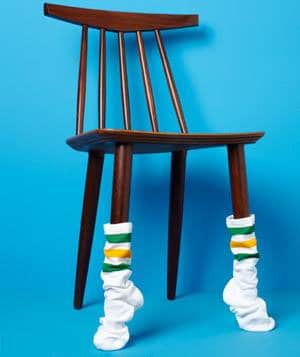
Chair with socks

Is this the solution?

There are some creative ideas out there to protect your expensive hardwood floors (socks anyone?), but Slipstick Sliders can be used on a variety of floor types and won’t ruin the aesthetics of your kitchen or dining room. They can be screwed or stuck onto the bottom of chair legs and are GUARANTEED to stay on. Check them out here: https://www.slipstick.com.au/slipstick-sliders/

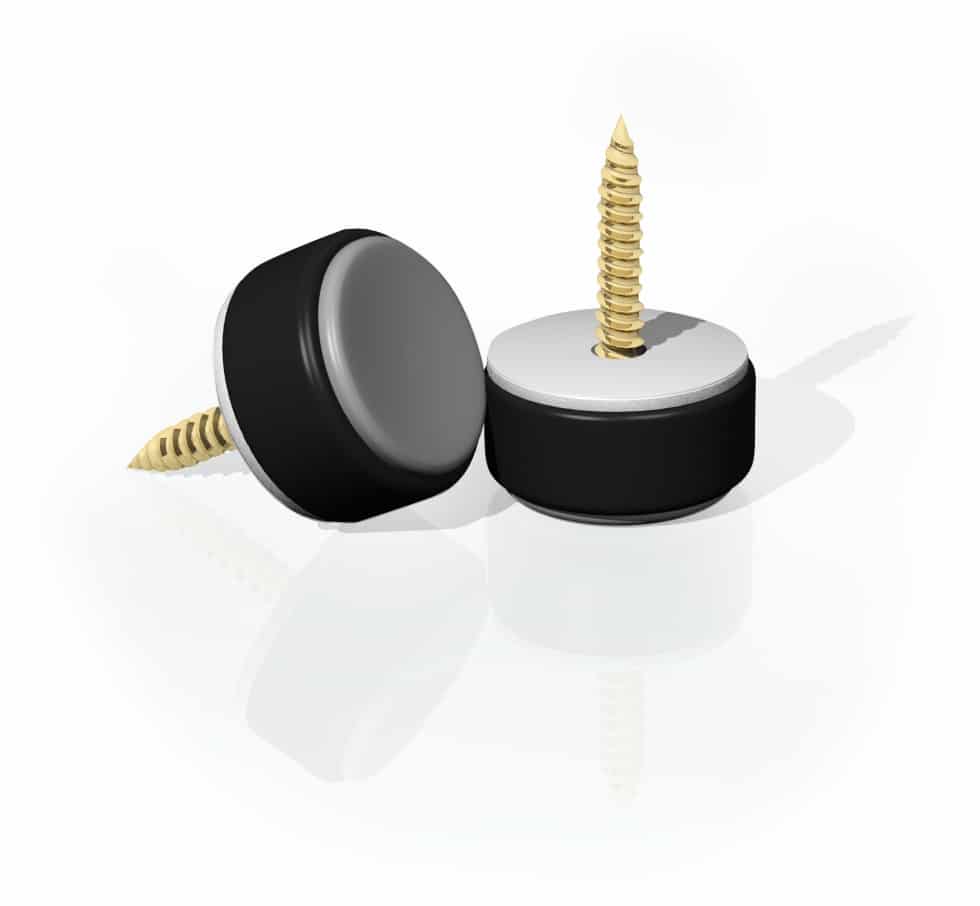
CB190 Product

Slipstick Sliders

Slipstick Sliders can be placed on the bottom of dining and kitchen chairs to protect hard floor surfaces and glide chairs quietly and easily. Available in different varieties, they can be used on chairs with angled or straight legs. Slipstick Sliders are guaranteed to STAY ON and can be used on laminate, tile, vinyl, slate, concrete or polished wood floors.

Loading new posts...
No more posts