
Slipstick Furniture Risers

bedroom

Creative Bedroom Makeovers Using Leg Risers for Beds

Transform Your Bedroom with Simple Height Hacks

A fresh bedroom does not always mean new furniture. Sometimes a small change, like lifting your bed a few inches with bed leg risers, can make the whole space feel new. A higher or lower bed can shift the look, the comfort, and the way you use every corner of the room.

Bed leg risers are sturdy supports that fit under your bed legs to raise the frame. At Slipstick, we design risers and furniture feet that help protect floors, grip surfaces, and cut down noise while giving you more control over bed height. With the right height, you can gain storage, create a cozier style for cooler weather, and make your room easier to move around in, all before the back-to-school rush and the holiday season.

Style Your Bed Like a Designer Using Height

The height of your bed changes how the whole room feels. A taller bed can look like a cozy hotel suite. A lower bed can feel simple and modern. The right choice depends on your style and your space.

When choosing bed leg risers, think about:

  • Mattress thickness  
  • Size and height of your headboard  
  • Ceiling height and window placement  
  • How much under-bed storage you want  

If your mattress is already thick, you might only need a small lift. If your headboard is tall, a slightly higher bed will keep it looking balanced. In a room with lower ceilings, a bed that is too tall can feel heavy, so a modest rise works best.

Once the height feels right, you can lean into the style:

  • Use a longer bed skirt to hide storage and add softness  
  • Layer rugs under and around the bed to ground the space  
  • Add warm underglow lighting under the frame for a soft, fall-ready glow  

These little details make the bed look planned, not random, even when you are simply raising the legs.

Maximize Underbed Storage Without the Clutter Look

Late summer is a perfect time to clear out closets and make space for school clothes, sports gear, and cooler weather blankets. Bed leg risers can open up a hidden storage zone under your bed without making the room feel crowded.

Start by measuring your current clearance from floor to the bottom of the bed frame. Then decide what you want to store, such as:

  • Shallow rolling bins  
  • Slim boxes for holiday decor  
  • Flat containers for off-season clothes  
  • Extra pillows and bedding in zip bags  

Match the riser height to the containers you like. You want enough room to slide bins in and out without scraping. At the same time, you do not want the bed so high that it feels awkward.

To keep things looking neat, try:

  • Matching storage bins in the same color  
  • Opaque or fabric-covered containers so contents do not show  
  • A fitted bed skirt or side panels that hang just to the floor  

With the right mix, you get real storage power without the clutter.

Create a Cozier and More Accessible Sleep Setup

As the weather cools, joints can feel stiff, and getting in and out of a low bed might start to bother knees, hips, or backs. Raising the bed to a more natural height can make a big difference for many people, including older adults, pregnant people, or anyone dealing with everyday aches.

A simple rule of thumb: when you sit on the edge of the bed, your knees should be close to a 90-degree angle and your feet should rest flat on the floor. For many people, that means a mattress height somewhere in the low to mid twenties in inches, but it depends on your own height and comfort.

Bed leg risers help you reach that sweet spot. Just make sure:

  • The risers are made for weight-bearing furniture  
  • Each bed leg sits fully and firmly in the riser cup  
  • The floor is level and the frame hardware is tight  

Slip-resistant bottoms and grippy tops are helpful to keep the bed from sliding or squeaking on hard floors.

Once the height feels good, you can layer on cozy textures:

  • Flannel or jersey sheets for cooler nights  
  • Chunky knit throws at the foot of the bed  
  • Velvet or quilted shams that stand tall against the headboard  

When the bed is easy to reach and comfortably high, all these layers feel more inviting for everyday use.

Design a Multi-Use Bedroom for Work and Relaxation

Bedrooms are doing more work than ever. Many people use them as office space, reading corners, or workout spots. Changing bed height with bed leg risers can help you fit more into the same square footage.

A slightly higher bed can free up wall space underneath for:

  • Low-profile storage units  
  • A tucked-away trundle for guests  
  • Slim baskets for books or tech gear  

With the bed raised, you can often fit a small desk, a storage bench, or a reading chair without bumping into furniture. Just balance the room with:

  • Task lighting that does not shine straight into your eyes when you sit on the bed  
  • Side tables that match the new bed height  
  • Good cord paths so cables do not snag around the raised legs  

Noise and wobble can be a concern in a room that doubles as a workspace. Floor-friendly risers and protective feet help keep the frame steady on hardwood, laminate, or tile, even when you move around more during the day.

Refresh Guest and Kids Rooms Before the Holidays

Late summer is a great time to get kids rooms and guest spaces ready before school routines and busy holiday plans kick in. Bed leg risers can pull extra storage out of thin air, especially in smaller rooms.

For kids rooms, a little extra height can create space for:

  • Bins with school supplies and art projects  
  • Sports gear and practice bags under the bed  
  • Extra blankets and sheets for quick changes  

In a guest room, thoughtful bed height makes visits more comfortable. A raised bed can be easier for older guests to use. Extra clearance underneath creates a handy spot for suitcases or travel bags so floors stay open and easy to walk.

Fast weekend projects might include:

  • Swapping to fall bedding and warmer colors  
  • Adding risers to lift the bed to a more practical height  
  • Sliding in labeled storage bins for rarely used items  
  • Placing floor protectors under dressers and nightstands to guard your floors during furniture shuffles  

These small changes can leave your home feeling calmer and more prepared for visitors.

FAQs About Using Bed Leg Risers in Bedroom Makeovers

Q1: Are bed leg risers safe for heavy beds and tall mattresses?  

A: Quality risers made for furniture are designed to hold significant weight. Always check the weight rating, match the riser style to your bed legs, and make sure every leg is fully seated in the riser before use.

Q2: Will bed leg risers damage hardwood or laminate floors?  

A: Some basic risers can scuff or dent floors if they slide. Floor-safe risers with non-slip bottoms are designed to be kinder to hard surfaces. If you want extra peace of mind, pair them with floor protectors or place the bed over an area rug.

Q3: How high should I raise my bed for comfortable use?  

A: Aim for a height where, when you sit on the edge, your feet rest flat on the floor and your knees sit around a right angle. Most people find a comfortable mattress height in the low to upper twenties in inches, but the best height depends on your body and mobility.

Q4: Can I use bed leg risers on beds with wheels or unusual legs?  

A: Many risers are made with recessed cups or wide tops that work with both caster wheels and different leg shapes. Choose a style that closely matches the size and shape of your bed legs so they sit securely without extra room to move.

Q5: How do I keep my raised bed from wobbling or sliding?  

A: Place risers on a level surface, center each leg in its cup, and tighten any loose screws or bolts in the frame. Non-slip floor protectors or specialty furniture feet under the frame and headboard can also help reduce sliding and squeaking on smooth floors.

Improve Your Bedroom Comfort and Stability Today

If you are ready to make your bed safer, more comfortable, and easier to access, our bed leg risers are designed to give you a secure lift without sacrificing stability. At Slipstick, we focus on durable, non-slip solutions that protect your floors while improving everyday living. Explore our options to find the right height and style for your space, and if you have any questions, feel free to contact us for personalized guidance.


bed

Bed Leg Risers: Plan Clearance for Storage, Cleaning, and Robot Vacuums

Raising a bed a few inches with leg risers can open up a surprising amount of space. With a little planning, you can turn the area under your bed into useful storage, make cleaning easier, and even give your robot vacuum a clear path so dust does not pile up.

In summer, many of us are getting ready for back-to-school, swapping seasonal clothes, or prepping a guest room. That makes it a perfect time to rethink bed height. In this guide, we will walk through how to measure, plan, and choose leg risers for beds so you get extra space without losing comfort or safety.

Elevate Your Bed, Unlock Your Space

Lifting your bed is one of the fastest ways to create more room without bringing in new furniture. A few inches of extra height can fit low storage bins, out-of-season clothes, or spare bedding that would otherwise crowd your closet.

With the right bed risers, you can:

  • Add organized storage for clothes, toys, or linens  
  • Make it easier to reach under the bed with a mop or duster  
  • Give a robot vacuum enough room so it can clean on its own  

The key is planning. You want more clearance, but you also want a bed that feels stable, safe, and comfortable to get in and out of every day. That is where careful measuring and choosing the right style of riser really matter.

Measure Bed Height and Under-Bed Clearance Like a Pro

Before you buy anything, grab a tape measure and write a few numbers down. Good measurements now save frustration later.

Measure three things:

  • Floor to top of the mattress, for overall bed height  
  • Floor to bottom of the side rail, to see what shows from the side  
  • Floor to the lowest point under the bed, like support slats or center legs  

That last one is the most important for storage and cleaning. If the lowest point is 5 inches off the floor, that is your real current clearance.

Next, think about what you want to store:

  • Standard low bins often need around 6 to 8 inches  
  • Medium totes and luggage may need 10 inches or more  
  • Rolling drawers need enough space for the drawer, plus the wheels  

Now compare. Take your current under-bed clearance and subtract it from the clearance you want. That gap is your target riser height. Also keep in mind comfort. You do not want the bed so high that sitting on the edge leaves your feet dangling. Many people like the top of the mattress around knee height, so check that against your own legs as you plan.

Plan Smart Under-Bed Storage Without Sacrificing Comfort

Once you know your numbers, match riser height to your storage goals. If you mostly want to tuck away thin bins of linens or clothes, you might only need a modest lift. If you want to store tall holiday décor boxes or bulky blankets, you may choose taller risers.

To keep things tidy under there:

  • Use labeled bins so you are not guessing what is inside  
  • Choose breathable containers for fabrics and bedding  
  • Group items by season or use so swaps are quick  

Comfort and looks matter too. After adding risers, stand back and check how the bed fits the room. The mattress should still feel like a natural height for sitting to put on shoes or getting in and out at night. If it looks or feels too tall, consider slightly lower risers and flatter storage bins so you balance space and comfort.

Make Cleaning and Robot Vacs Part of Your Height Plan

If you use a robot vacuum, under-bed clearance is about more than storage. Many robot vacs need a few inches of space to move without getting stuck. Before you choose risers, measure from the floor to the tallest point on your robot, usually the top of its sensor housing.

Add at least half an inch to that number to allow for:

  • Slight dips or humps in the floor  
  • Low spots under the bed where rails or support bars run  
  • Extra room so the robot can turn and back up safely  

If you want both storage and robot cleaning, you have two main options. You can pick shorter bins that leave a clear lane down the middle for the vacuum, or you can push containers toward the head or foot of the bed so you leave an open path along one side. After setting things up, run a test cleaning cycle and watch to see if the robot gets in and out easily.

Choose Stable, Floor-Safe Bed Risers and Install with Care

Not all leg risers for beds are the same. Quality risers feel solid and steady, even with heavy mattresses and active kids. When you are comparing options, look for features like:

  • A weight rating that comfortably covers your mattress and frame  
  • Deep cups that hold bed legs, so they do not slip out  
  • Wide bases that spread the weight and resist tipping  

Floor protection matters too, especially on hardwood, laminate, vinyl, or tile. Good risers have cushioned, non-marking bottoms that grip the floor and help prevent sliding, dents, or scuffs. This is a big part of what we focus on at Slipstick, where we design floor-friendly products that help furniture stay put without damage.

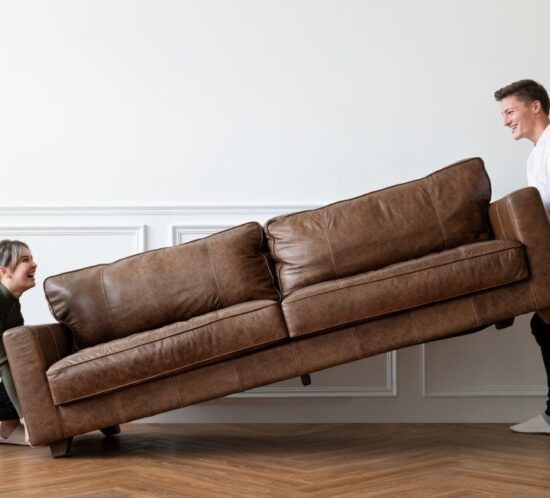
When you are ready to install, clear the area around the bed so you have room to move. It is always safer with two people. Lift one corner just enough to slide a riser under and make sure the leg is fully seated in the cup before moving on. After all four corners are in place, give the bed a gentle push to check for any wobble or rocking.

Take a moment to:

  • Do a quick visual check that the bed looks level  
  • Sit on different edges and lie down to feel for movement  
  • Make sure each riser is sitting flat and straight on the floor  

We like the idea of a short trial week. Pay attention to how easy it feels to get in and out of bed, whether your storage plan is handy to use, and how well cleaning is working. You can always adjust bin placement, swap a container size, or fine-tune riser height next time if needed.

Frequently Asked Questions About Bed Leg Risers

Q: Are bed risers safe for everyday use and heavy mattresses?  

A: Yes, as long as they are quality risers with a proper weight rating, wide bases, and non-slip tops. Always match the riser capacity to your full bed setup, including mattress, frame, and usual sleepers.

Q: How high should I raise my bed for under-bed storage?  

A: Most people choose between 1 and 8 inches of extra height. Start with the smallest lift that fits your planned storage bins, and keep in mind the comfort of anyone using the bed, especially if they have limited mobility.

Q: Will bed risers damage hardwood or vinyl floors?  

A: Some hard plastic or metal risers can dent or mark floors. Choosing risers with cushioned, non-marking bottoms, like the floor protection styles we design at Slipstick, helps protect surfaces and reduce sliding.

Q: Can I use bed risers on frames with wheels or unusual legs?  

A: Often yes, but you need the right fit. Casters should be locked or removed, then the legs placed firmly into riser cups that match their shape and size. For oversized, round, or square legs, look for risers designed for those styles.

Q: How do I know if my robot vacuum will fit under the bed?  

A: Measure the robot from floor to its highest point, then compare that to your planned under-bed clearance with risers. Aim for at least half an inch of extra space and run a test clean to be sure it can move freely without getting stuck.

Elevate Your Bed Comfort And Stability Today

Transform your bedroom setup with our durable leg risers for beds designed to improve comfort, accessibility, and storage space. At Slipstick, we carefully engineer each riser to protect your floors while giving your bed the secure lift it needs. Explore the sizes and styles that fit your frame, then order with confidence knowing our products are built to last. If you have questions or need help choosing the right option, contact us for personalized support.

furniture risers

Furniture Riser Alternatives: Sofa and Bed Leg Extenders, Bases, and Padding

Raise Low Seating Without Sacrificing Comfort

Low sofas and beds can look cozy, but they are not always friendly to knees, backs, or balance. Standing up starts to feel like a small workout, and guests or family members with limited mobility may struggle most. As more of us plan to age in place or turn spare rooms into home offices and guest spaces, getting the right height matters.

Summer is a great time to tackle these upgrades before cooler weather keeps everyone indoors more. Many people start with a basic furniture riser, since it is an easy way to lift a sofa or bed. But a furniture riser is only one option. There are also leg extenders, taller replacement feet, platform bases, and cushioning tricks that can work better, depending on your room.

When we choose between these options, we usually think about four things: safety and stability, comfort for sitting and sleeping, floor protection for surfaces like hardwood, tile, vinyl, or carpet, and how the furniture looks in the room. The right mix can lift your seating without making your space feel awkward or risky to use.

When Furniture Risers Make Sense and When They Do Not

A furniture riser is a block or cup that sits under each furniture leg to raise the whole piece. Common risers come in heights from about one to several inches and are often made from plastic, wood, or metal. They are helpful when you want a quick, temporary boost, like in a dorm, rental, guest room, or for seasonal rearranging to squeeze in extra storage bins.

Risers have some clear perks:

  • Fast height change with no tools  
  • Easy to remove if you move or rearrange  
  • Good for short-term or trial changes  

But they are not perfect for every sofa or bed. Risers can wobble on uneven floors or thick carpet. Flared or angled legs may not sit neatly in the cup. Some people dislike the bulky look or worry about stubbing toes on the corners. If the riser does not have a non-slip or padded bottom, it can also mark or dent floors, especially hardwood or vinyl.

Here is a quick way to tell if you should look beyond risers:

  • You want a permanent, built-in look  
  • You need strong stability for seniors or kids  
  • You want easier under-sofa access for cleaning before holiday gatherings  
  • You have tricky legs, like curves, tapers, or wheels  

If any of those ring true, it might be time to think about leg extenders, taller feet, or a new base instead of a standard riser set.

Leg Extenders and Taller Feet for a Built-in Look

Leg extenders and taller replacement feet attach directly to the legs of your sofa or bed. Instead of placing the leg in a separate furniture riser, you are swapping or extending the leg itself. The result looks more like the furniture was made that way from the start.

Because the extension is close to the original leg, the center of gravity stays lower compared to tall risers. That usually means:

  • Less side-to-side wobble  
  • A more natural feel when you sit down or stand up  
  • Better safety for people who rely heavily on the armrests to push up  

On slick surfaces like hardwood, tile, or laminate, adding non-slip pads or gripper cups under those taller feet can make a big difference. The furniture stays put when someone sits, instead of sliding back.

Style matters too. Many people want the new feet to match the design of the piece. You can choose:

  • Similar color or wood tone  
  • A leg shape that fits the style of the room  
  • Rubberized or padded bottoms to shield floors from scratches or dents  

For comfort, a small change often goes a long way. Raising a sofa or bed just one to three inches can make daily use much easier without making it feel like you are climbing onto a stage.

Platform Bases and Under-Frame Solutions for Beds

For beds, another option is to lift the whole frame, not just the legs. Platform bases, slatted bases, and under-frame lift systems sit under the existing bed frame or replace it entirely. Instead of balancing weight on a few small points, these solutions spread the weight across a broader base.

The benefits are easy to feel:

  • Maximum stability with less shake and sway  
  • Even support across the mattress area  
  • More predictable under-bed storage space  
  • Fewer creaks since there are fewer pressure points  

These options pair well with modern mattresses and are a nice way to refresh a guest room before summer visitors arrive. The bed ends up higher, easier to make, and simpler for guests to use.

There are trade-offs. A platform base is more permanent than a basic furniture riser. It can be heavier and harder to move, and often you need to partially disassemble the bed frame to install it. On delicate floors like hardwood or laminate, it is important to have floor-safe feet or caster cups under the base so the extra weight does not leave marks.

Cushioning, Casters, and Sliders for Height and Mobility

Not every height fix has to touch the frame. Sometimes changing the cushions or mattress is enough. Thicker seat cushions, firm seat wedges, mattress toppers, or angled bed wedges can raise the sitting or sleeping surface a bit and improve body position without adding anything under the legs.

These work well when:

  • You only need a small lift  
  • The current seat feels too soft or saggy  
  • You want better back support more than big height gains  

Casters and furniture wheels are another path. Swapping standard feet for locking wheels can add height and make it easier to move heavy sofas or beds for cleaning. On hard floors, it is important to choose soft-tread or rubber wheels that are kinder to surfaces. Protective cups or gripper pads under the wheels can keep them from rolling when you do not want them to.

Glides and sliders are helpful when you like the current height but need to move pieces around for AC vents, heaters, or seasonal layouts. Low-friction sliders sit under each leg so you can shift the sofa or bed without scraping the floor. They do not add much height, but they protect surfaces and cut down on heavy lifting.

Matching the Right Solution to Your Space

Choosing the right alternative to a furniture riser comes down to your space, your body, and your floors. One simple way to start is to test your ideal height. Fold a firm blanket or stack some folded towels under the front and back legs, sit or lie down, and see how it feels. Small changes can be surprisingly helpful.

As a quick guide:

  • Taller legs or replacement feet work well for a permanent, clean look  
  • Platform bases shine when you want lots of stability and storage under the bed  
  • Cushioning changes are great for small boosts and better ergonomics  
  • Traditional risers still fit short-term needs or simple storage goals  

Always check your furniture legs, too. Note if they are straight, angled, round, or square, and how many there are. Compare that with the weight ratings on any product you consider. On hard floors like hardwood, tile, or vinyl, slip resistance and padding matter. On low-pile carpet, wider supports help prevent sinking.

At Slipstick, we focus on floor-friendly, non-slip solutions that protect surfaces while keeping furniture steady. Whether you are lifting a low sofa in the living room or refreshing a guest bed for the season, choosing stable, well-designed parts helps your furniture feel safer and more comfortable for years.

FAQ: Smart Alternatives to Furniture Risers

1) Are furniture risers safe for heavy sofas and beds?  

Yes, they can be safe when they are high quality, correctly sized for the legs, and used within their weight rating. For very heavy pieces or furniture that gets constant use, many people prefer leg extenders, taller feet, or a full platform base for extra stability and peace of mind.

2) How much extra height should I add to a low sofa or bed?  

Most people find that one to three inches is enough to make sitting and standing much easier. Once you go higher than about four inches, the furniture can feel a bit awkward unless the whole frame is raised evenly, as with a platform or under-frame solution.

3) What is the best option for seniors with mobility issues?  

Leg extenders or taller replacement feet paired with firm, supportive cushions are often a smart choice. They give helpful lift without raising the furniture so high that it feels top-heavy, which can make stand-up transfers feel safer and more controlled.

4) Will raising my furniture damage hardwood or vinyl floors?  

It can if the new legs, risers, wheels, or glides do not have protective pads. To protect your floors, use products with non-marking rubber, felt, or purpose-made floor protectors, and avoid bare plastic or metal resting directly on hard surfaces.

5) What if my sofa or bed legs are odd-shaped or angled?  

Traditional furniture risers may not hold those legs securely. In that case, universal gripper cups, adjustable leg extenders, or a full platform that supports the frame instead of clamping to the legs can be safer and more stable choices.

Elevate Your Furniture Safely And Effortlessly

Upgrade the comfort and accessibility of your home with a reliable furniture riser designed to protect floors and stabilize every piece. At Slipstick, we design our products to be simple to install, secure in daily use, and tailored to real-life needs. If you have questions about sizing, weight limits, or the best option for your space, contact us and we will help you choose with confidence.

furniture

Common Furniture Riser Mistakes That Damage Floors

Stop Floor Damage Before It Starts

Furniture can be rough on floors. Heavy beds leave dents in carpet, recliners rub grooves into hardwood, and big sectionals can crush the same spot of flooring day after day. Sometimes the damage shows up fast, like a deep gouge in vinyl. Other times it sneaks up slowly as squeaks, scuffs, and flat, tired carpet.

Furniture risers sound like an easy fix. They add height, make beds and sofas easier to use, and create storage space underneath. But the wrong furniture riser can secretly do more harm than good, even while it looks like everything is fine on the surface.

At Slipstick, we focus on purpose-designed furniture floor protection. Our Gorilla-grade risers and protectors are built to grip, cushion, and defend different types of flooring. Over the years, we have seen that most floor damage does not come from the furniture itself. It comes from a few common mistakes people make when choosing and using furniture risers, especially during spring and early summer home refresh projects.

Choosing the Wrong Furniture Riser for Your Floor

Not all furniture risers are floor-safe. Many basic risers are made from hard plastic with rough or unfinished bottoms. On hardwood, that kind of hard contact can leave scratches, swirl marks, or tiny dents. On laminate, it can scrape off the top coating. On soft vinyl or pine, it can leave pressure rings that never fully bounce back.

Different floors need different riser bases. For example:

  • Hardwood and laminate need soft, non-marking contact points  
  • Tile needs a firm, stable base that will not chip grout lines or tile edges  
  • Vinyl and soft wood need cushioning and a wide footprint  
  • Carpet needs a design that stays level without sinking or tipping  

Carpet creates its own set of problems. If the riser base is too narrow, it can sink into the pile and tilt. When that happens, the weight of the furniture is pressed into a small, uneven area. That can crush carpet fibers and padding, or even stress tile or slab edges under the carpet.

Well-designed risers use non-slip rubber or similar materials on the base. That bottom layer does two big jobs at once. It grips the floor to keep the furniture from sliding, and it cushions the impact so the pressure is spread out gently. Matching that base material and shape to your exact floor type is one of the best ways to stop damage before it starts.

Ignoring Weight Limits and Load Distribution

Every riser has a limit on how much weight it can safely hold. When we ignore that number, problems show up fast. An overloaded riser can crack, crush, or even collapse. If it breaks, the furniture leg can slam down into the floor, leaving a deep gouge or dent.

It is not just about the total weight of the furniture. We also need to think about how that weight is shared across each leg or caster. A heavy bed frame with a center support might have six or more contact points. A recliner might only rest on four feet, but those feet can carry a lot of force when someone leans back.

A simple check looks like this:

  • Find the total weight of the furniture, including usual contents  
  • Divide that weight by the number of legs or casters  
  • Compare that number to the rated limit for each riser  

Quality risers, like Gorilla-grade options from Slipstick, are designed with real-world loads in mind and spread weight across a larger, floor-safe footprint. That wider footprint helps protect softer floors and keeps pressure from building up in one tiny spot.

Using Ill-Fitting Risers That Let Furniture Shift

Fit matters just as much as weight. When a furniture leg or wheel does not sit snugly in the cup of a riser, the whole piece can wobble or wander. Beds can slide when you sit down. Sofas can creep across the room. Desks can move just enough to squeak and grind on the floor below.

Two size problems show up over and over:

  • Cups that are too small, which can crack, tilt, or pinch the leg  
  • Cups that are too large, which let the leg or wheel slide around inside  

Both problems lead to tiny movements that repeat every day. Each small shift can grind dust and grit underneath the base, leaving scuffs and scratches. There is also a safety risk, since a wobbly bed or chair is more likely to tip or feel unstable.

Slip-resistant, contoured riser pockets help solve this. When the riser cup gently hugs the leg or caster, it keeps everything locked in place. That close fit cuts down on micro-movements, which protects both the furniture and the flooring over time.

Overlooking Seasonal Changes and Floor Conditions

As late spring and early summer roll in, floors deal with new stress. Windows stay open longer, humidity rises, and there is often more cleaning and mopping. In many homes, that means slicker surfaces and more grit tracked in from outside.

Moisture, dust, and tiny bits of sand can get trapped under or around furniture risers. On hardwood, that grit can act like sandpaper. On vinyl and laminate, wet patches combined with grit can create sticky, high-friction spots. When furniture shifts, even a little, those rough spots can grab, drag, and tear at the surface.

A simple seasonal routine helps a lot:

  • Gently lift or slide furniture off each riser  
  • Wipe the floor under and around the base  
  • Wipe or brush the bottom of the riser  
  • Check that the riser base is dry, smooth, and not wearing down  

Regular checks keep both the risers and the floors in better shape, especially in places with changing humidity and more frequent summer cleaning.

Skipping Quality in Favor of Quick Fixes

When we want extra height fast, it can be tempting to grab whatever is nearby. A spare block of wood, a leftover tile, or a stack of books might seem like a simple DIY solution. But those makeshift risers can shift, crack, and create sharp edges that dig into flooring.

Cheap, generic risers often use brittle plastics with hard, unprotected bottoms. Over time they can:

  • Flatten or chip at the corners  
  • Lose their grip and slide more easily  
  • Develop rough edges that scratch floors  
  • Fail suddenly under heavy loads  

Engineered risers are built differently. The design focuses on stability, contact area, and safe materials, not just height. At Slipstick, we build Gorilla-branded risers and protectors to work as a complete system, with non-slip surfaces and geometry made to support everyday life, from quiet bedrooms to busy living rooms.

Spending a bit more attention on quality helps prevent floor repairs, annoying wobbles, and safety problems down the road.

Frequently Asked Questions About Furniture Risers

1) Are furniture risers safe for hardwood floors?  

Yes, when they are designed for hard surfaces. Look for risers with a soft, non-marking, non-slip base like rubber, not bare plastic or wood. Avoid any riser with sharp molding seams or hard, glossy bottoms that could scratch or dent hardwood.

2) How do I know what size furniture riser I need?  

Measure the width or diameter of your furniture leg or caster, then compare that to the inner cup size of the riser. The leg should sit flat and snug with only a little side-to-side play. Also think about how much extra height you want for storage, comfort, or desk and chair fit.

3) Can I use the same risers on carpet and tile?  

Sometimes. Some risers are designed to work safely on several surfaces, but many are better for one type of floor. Carpet usually needs a wide, steady base that will not sink, while tile and laminate need a soft, grippy bottom. Always check which floor types the riser is meant for.

4) How often should I check or replace my furniture risers?  

A quick check every few months works well, and seasonal cleaning time is perfect for this. Look for cracks, warping, or worn-down grips on the base. If a riser rocks, slides too easily, or looks damaged, swap it out before it fails. Good risers can last a long time when used properly.

5) Can furniture risers stop my bed from rolling or sliding?  

Yes, if you choose risers built to capture the legs or wheels. For beds with casters, look for risers that cradle each wheel so it cannot roll around. For straight legs, textured or rubberized cups help keep the bed in place. Paired with a floor-safe base, this setup can greatly reduce unwanted movement and protect your floors at the same time.

Elevate Your Furniture Safely And Effortlessly

Upgrade your setup with a reliable furniture riser that adds height, stability, and convenience without compromising style. At Slipstick, we design solutions that help you protect your floors and make everyday living more comfortable. If you have questions about choosing the right option for your home or office, contact us and we will help you decide on the best fit.

Sofa

Steps to Shift Bedroom Height Safely With Bed and Sofa Risers

Changing the height of your bed or sofa can make day-to-day living more comfortable. Whether you need better access, a bit of extra storage, or just a better fit for the space, adjusting furniture height can really help. But lifting furniture without the right gear can end up causing problems. Wobbly frames, scratched floors, or out-of-balance chairs are all too common when things aren’t set up right. That’s where proper supports come in.

We’ve seen how using bed and sofa risers in USA helps make these adjustments safer and cleaner. They give you the lift you need without damaging the surfaces below. If you’re planning to change your setup this season, especially with heavier pieces, it’s smart to pause and get it right from the start. A few careful steps now can save a lot of fixing later.

Check the Furniture and Floor Type First

Before grabbing any risers, take a good look at the base of your furniture. Not all risers suit all types of legs. Some beds or sofas have large square posts, while others might have narrow, rounded feet. Getting the match right at the start helps stop sliding and tilting once they’re installed.

The surface the riser sits on matters too. Floors like timber or polished concrete can be more slippery than carpet or soft vinyl. Some may look fine but have hidden layers of polish or dust that affect grip. These things make more of a difference than you’d think when you’re adding extra height and weight.

We always recommend this checklist:

  • Check each leg for shape, width and stability
  • Look at the floor type and whether it needs a quick clean before you start
  • Make sure there are no loose rugs or mats under the bed or sofa that might affect positioning

Even the best riser can’t do its job if the floor underneath isn’t solid and clean. A bit of prep now means fewer problems later on.

Pick the Right Rise for Comfort and Access

Once you’ve checked the base, you can think about why you’re adjusting the height in the first place. Some people want to create storage space under the bed. Others might need improved access to make it easier to get in and out each day. The reason helps decide what kind of lift works best.

Don’t go too high if you don’t need to. Raising furniture too much can make it less stable or harder to use. Instead, aim for a height change that solves the issue but still feels natural to interact with. An extra drawer of storage is great, but not if it means straining your back every time you sit down.

Here’s how to choose height wisely:

  • Think about the goal, easier standing, more storage or space for cleaning
  • Measure how far you want to lift the furniture before shopping around
  • Avoid placing items underneath as makeshift risers, they’re rarely stable and often wear down fast

Proper risers are built to take that weight for a reason. When furniture isn’t flat or balanced, it wears faster and risks tipping on one side.

Install with Stability in Mind

Once you’ve got the risers and know where they’re going, it’s time to set them up carefully. Rushing this part often leads to uneven resting, which defeats the purpose of using risers in the first place. Furniture should feel just as steady lifted as it did before, if not more so.

Take your time and do one leg at a time. Sit each foot fully into the riser before repeating the process on the next. This keeps the weight balanced and helps your eyes spot any wobble or tilt before the full load is resting on the frame.

Steps we always follow when setting up:

  • Place risers flat and evenly spaced, lining them up to match each leg
  • Seat every foot fully so there’s no rocking or leaning
  • Give the furniture a small test push once everything’s in place

This setup helps avoid noise, dragging or pad failure when the furniture is moved around later. Getting it settled now sets the tone for how long the risers will last.

Monitor and Maintain After Setup

Once the risers are in and the bed or sofa feels steady, the work doesn’t end there. Like everything in the house that gets used often, that setup will change over time. Floors get cleaned, furniture shifts slightly, and seasons subtly affect materials.

Living in the USA means climate shifts are pretty common, depending on where you’re based. Some areas deal with dry winters and humid summers, especially in places like Georgia or Texas. That shift in air moisture can cause small surface changes, the kind of thing that might make risers shift even if they started out firm.

So we watch for little signs now and then:

  • Give risers a quick inspection every few months, especially before cooler or warmer seasons
  • Check for any slight movement after deep floor cleans
  • Look under the bed or sofa during vacuuming to spot cracks, trapped dust or shifting pads

Keeping things tight doesn’t take much, but ignoring small shifts can turn into cracked flooring or uneven legs later on. A quick look from time to time goes a long way.

Safer Movement at Home With the Right Height

Furniture that fits your life makes your home feel calmer and more comfortable. When you don’t have to drag a chair into the right spot or struggle to stand up from a low bed, moving through your day just feels easier. Sometimes, the change isn’t about the furniture, it’s about how you feel using it.

We’ve found that setting the right height brings extra balance to the room too. A couch that rests at the right point pairs better with a coffee table. A higher bed might help create order underfoot. These small changes clear up clutter and give space a more settled feel. Once you’ve matched height with function and fitted the risers properly, it’s one less thing to think about.

If you’re thinking about lifting your furniture for storage, comfort or easier access, having the right support makes all the difference. At Slipstick, we recommend starting with a solution suited to your floor and leg type so the lift stays sturdy. For those searching for reliable sofa risers in USA, make sure they’re built to handle daily use and won’t damage your flooring. Quality matters when you’re raising something that gets used every day. If you’re ready to get set up safely, get in touch with us today.

sofa

Solving Height Issues in Your Living Room with Sofa Risers USA

Have you ever felt like your living room furniture isn’t quite the right height for comfort? Sofa risers might just be the solution you need. These handy devices increase the height of your furniture, making it more ergonomic and better suited to your needs. Whether you’re looking to accommodate a taller family member or simply want a little extra storage space underneath your couch, sofa risers provide a practical and simple fix.

In the USA, more people are turning to sofa risers to resolve height-related issues in their living spaces. This trend is growing as people realize the advantages of customizing their furniture for personal comfort and room dynamics. Beyond just elevating your sofa, they offer benefits like improved floor protection and added versatility for your furniture arrangement.

Understanding Sofa Risers

Sofa risers are small platforms or blocks that fit under the legs of your furniture. They work by lifting the furniture slightly off the ground, usually anywhere from a few inches to a foot. This slight elevation can significantly affect how your furniture feels and functions. Using sofa risers is a bit like wearing a pair of shoes with a slightly higher heel; they help raise your seating position to a more comfortable level.

There are several types of sofa risers available on the market. The most common include adjustable risers, stackable risers, and fixed-height risers. Adjustable risers allow you to change the height as needed, while stackable risers let you increase the lift by stacking multiple pieces. Fixed-height risers offer a sturdy, no-fuss option for those who want a definite lift.

As for materials, you can find risers made of plastic, wood, or metal. Each material has its benefits:
– Plastic risers are generally lightweight and affordable.
– Wooden risers offer a more traditional and aesthetically pleasing look.
– Metal risers provide exceptional strength and durability for heavier furniture.

By adding sofa risers to your furniture, you help protect your floor from scratches and dents. They provide a buffer between the legs of your furniture and your flooring, distributing weight more evenly and reducing the risk of damage. Additionally, because different risers are suitable for various types of furniture, including beds, tables, and chairs, you can easily adapt your entire living space to meet your needs.

Understand these basics about sofa risers to make an informed choice about which ones might best suit your home, enabling you to enjoy a living room that’s both comfortable and tailored to your lifestyle.

Benefits of Using Sofa Risers

Sofa risers offer several advantages that can transform your living room into a more comfortable and inviting space. One of the most notable benefits is enhanced comfort. By lifting your sofa, you can adjust its height to better fit your personal preference, which makes sitting and standing much easier. This is especially helpful for those who might struggle with lower furniture due to health or mobility issues.

Another great benefit is floor protection. Often, heavy furniture can leave unsightly marks or scratches on your floors. Sofa risers help distribute the weight of your furniture more evenly across the floor, reducing the potential for damage. This is particularly useful if you have hardwood or delicate flooring that needs extra care.

Sofa risers are also highly versatile. They’re not just for sofas—they can be used for a variety of furniture types, including beds, tables, and chairs. This means you can achieve a consistent look and feel throughout your home by using risers in multiple rooms, creating a cohesive interior design.

How to Choose the Right Sofa Risers

Selecting the right sofa risers involves considering a few important factors to ensure they meet your needs. First, think about weight capacity. It’s crucial to choose risers that can support the weight of your furniture without any risk of damage. Most product descriptions will include this information, making it easy to align your choice with your furniture’s weight.

Material is another key consideration. As mentioned before, risers can be made from plastic, wood, or metal, each offering different aesthetics and benefits. Your choice will depend on both personal taste and the functionality required for your furniture’s weight and size.

Height adjustment is also important. Consider how much elevation you need for your comfort and the overall look of your room. Adjustable risers provide flexibility, allowing you to experiment with different heights until you find the perfect fit.

To measure your furniture accurately:

1. Determine the current height from the floor to the base of your furniture.
2. Consider the additional height you want.
3. Ensure the combined height suits your comfort level and room dynamics.

When it comes to buying sofa risers, consider purchasing from well-reviewed sources within the USA. Check user reviews and look for brands known for durability and customer satisfaction to ensure a hassle-free experience.

Installing Sofa Risers

Installing sofa risers is straightforward, but it’s always good to have a clear plan. Here’s a simple guide:

1. Prepare Your Furniture: Move it to an open area where you’ll have plenty of space to work.
2. Lift and Place: Carefully lift each corner of your sofa and slide the riser under the leg.
3. Secure the Risers: Ensure all the risers are securely placed and the furniture is stable.

Remember to check for any wobbling and adjust accordingly. Common mistakes include not placing the risers directly under the legs or choosing risers that are too small, which could lead to instability. Regularly inspect and clean your risers to maintain their appearance and functionality.

Make Your Living Room More Comfortable Today

With the information above, you’re well-equipped to enhance your living room with sofa risers. They offer simple yet effective solutions for improving comfort, protecting your floors, and even allowing you to explore new design possibilities. Whether you’re looking for that extra bit of height for better ergonomics or need to update your decor, sofa risers are a great addition to your home setup. Remember, your living room should reflect your lifestyle and comfort needs, making it a true haven for relaxation and enjoyment.

To experience the benefits of a more comfortable and stylish living room, explore the options available with sofa risers USA. Visit Slipstick to see how our selection can perfectly complement your needs and enhance your living space’s comfort and functionality.

furniture riser

Why Investing in Quality Furniture Risers is Beneficial

Have you ever wished your couch or chair sat just a little higher? Maybe you’ve tried stuffing a few magazines under the legs, only to see them slide out or tear over time. Well, that’s where furniture risers come in handy. They might sound a bit technical, but in reality, they’re an easy solution for adjusting your furniture’s height. Furniture risers are sturdy, practical, and can give your home a little extra flair or function. Whether you’re looking to create more space, protect your floors, or simply get a better view from your seat, investing in quality furniture risers can make a big difference.

When you think about it, furniture risers aren’t just pieces of plastic or wood that lift your furniture. They’re helpful tools that offer a mix of benefits. Using risers can make your home more accessible, helping those who struggle with mobility. They create more storage space beneath your furniture and ensure that your floors remain mark-free by reducing direct contact.

Benefits of Using Furniture Risers

Furniture risers might not be on everyone’s home improvement radar, but they certainly should be. Here’s why you might want to consider adding them to your furniture setup:

– Improved Accessibility: Some furniture can feel a bit too low, especially for those with mobility issues. Furniture risers can make it easier to sit and stand by elevating these items. Think of it as having the chair come to meet you halfway, reducing the strain on your knees or back.

– Extra Storage Space: By adding a few inches to your furniture’s height, risers create additional storage space underneath. This newfound space is perfect for stashing away those extra books, boxes of seasonal clothes, or even your child’s toys.

– Floor Protection: Constant contact with furniture can lead to marks, scuffs, and even little dents on your beautiful floors. By lifting furniture off the ground, risers help minimize this wear and tear. It’s an effective way to keep your floors looking pristine with less effort.

Types of Furniture Risers

When selecting furniture risers, understanding the different types available can help you pick the best fit for your needs. These handy devices come in a variety of styles, each suited to specific applications and furniture types.

– Adjustable Risers: Sometimes, versatility is key. Adjustable risers cater to this need by offering different height options within a single set. Perfect for those odd-sized pieces of furniture or if you just want the flexibility to change heights as needed.

– Heavy-Duty Risers: Got a hefty piece of furniture? Heavy-duty risers are the go-to choice. Designed to support larger and weightier items like pianos or big couches, these risers ensure stability without compromising safety.

– Decorative Risers: Aside from function, why not add a touch of style? Decorative risers don’t just lift—they elevate the aesthetic of your space. These risers blend form with function by adding a bit of character or matching the existing decor theme of your room.

How to Choose the Right Furniture Risers

Picking the perfect furniture riser can save you from potential headaches later on. Here’s a checklist to consider making a wise choice:

1. Assess Weight Requirements: Determine how much weight the risers need to support. For heavier furniture, ensure the risers are rated to handle the load to prevent any accidents.

2. Determine Desired Height: Decide on the height adjustment you need. Some people prefer just a small lift, while others might need significant elevation for specific purposes, like wheelchair accessibility.

3. Match Design and Colour: Think about the space they’ll occupy. Choose risers that blend well with your furniture’s design and colour. A unified look can make all the difference, enhancing the room’s overall appeal.

Installation and Maintenance Tips

Installing risers is a breeze if done with a bit of care and attention. Follow these simple tips to ensure a secure fit and long-lasting performance:

– Ensure Proper Fit: Before committing, double-check that the riser’s base comfortably matches the feet of your furniture. A snug fit ensures stability.

– Even Distribution: When installing, ensure the load is evenly distributed across all the risers to prevent leaning or imbalance, which could risk toppling.

– Regular Checks: Occasionally inspect the risers for any signs of wear or looseness. Making a habit of it might prevent mishaps and keep everything in prime condition.

Look Forward with Quality Furniture Risers

Investing in furniture risers can feel like a small change, but the benefits it offers are substantial. You’re looking at improved accessibility, added storage, and protected floors—all packaged in various styles to match your decor. By spending a little time picking the right ones, you’ll transform your home into a more adaptable and user-friendly environment.

So next time you’re rearranging a room or considering how to make the most of your space, consider how risers could play a part. They promise practical improvements without stealing the spotlight but can elegantly enhance your living space. With a range of options like heavy-duty, adjustable, or decorative, the choice can fit just about any requirement or style.

When you’re ready to enhance your living space with minimal effort, consider exploring the wide range of options with a quality furniture riser. At Slipstick, you’ll find just the right solution to elevate both style and function in your home. Discover the perfect balance of practicality and aesthetics to match your needs today.

Sofa Risers

Smart Tips for Using Sofa Risers to Enhance Living Room Space

Sofa risers may seem like a small tool, but they can bring a lot of change into your living room. These handy devices elevate your sofa, creating extra space and enhancing the room’s overall appearance. By simply raising your sofa a few inches off the ground, you can enjoy benefits you might not have considered before. For people keen on making the most of their living spaces, sofa risers provide an easy and practical solution to transform your home.

Using sofa risers is more than just gaining a slight lift. They help you organise better, allowing you to store items that would otherwise clutter your space. They can improve ergonomics, making your seating more comfortable and easier to get up from. This article will give you smart tips and ideas on how to make the best use of sofa risers, showcasing their potential to spruce up any living room in the USA.

Maximizing Space with Sofa Risers

Sofa risers are an excellent solution for maximising space in your living room. By lifting your sofa, you open up a whole new area for storage. This is particularly useful if you’re living in compact spaces where every inch counts. With this newfound space under the sofa, you can neatly keep items like books, magazines, or even small bins and baskets for toys and other essentials.

Here’s how to get the most out of your risers:

1. Select Storage Containers: Choose containers that fit snugly under your sofa. Clear plastic bins work well because they keep your items visible and easy to access without pulling them all out.

2. Organise Your Items: Group similar items together. For instance, keep all your children’s toys in one bin and stack your extra blankets in another. This makes finding what you need a breeze.

3. Label Everything: To make things even easier, label each container. That way, you know exactly what’s inside without needing to rummage through everything.

Using sofa risers effectively can make your living area not only look tidier but also feel more spacious. It gives the room an organised vibe without the need for additional furniture. By raising your expectations with sofa risers, you’re creating a more functional living environment that is both practical and inviting.

Choosing the Right Sofa Risers

Picking the perfect sofa risers can seem like a daunting task with so many options available, but it doesn’t have to be. The key is to identify what material, style, and height best fit your needs. Here are a few things to keep in mind:

– Material Options: Sofa risers come in various materials like plastic, wood, and metal. Plastic risers are lightweight and often more affordable, while wooden risers can add a touch of elegance to your space. Metal risers are known for their durability and can support heavier furniture.

– Style Selection: Choose risers that align with your room’s aesthetic. A sleek, contemporary riser can complement a modern living room, while a carved wooden riser may suit a more traditional setting.

– Height Consideration: Consider what you intend to store under the sofa and check the current height of your sofa. Standard risers typically range from two to eight inches, offering flexibility for different needs.

– Weight Capacity: Always check the weight capacity of the risers to ensure they can adequately support your sofa. This prevents any potential risk of risers giving way, leading to accidents or damage.

By selecting risers that match your living room decor and meet these considerations, you’ll find they blend seamlessly into the room while providing added benefits.

Installation and Safety Tips

Installing sofa risers might sound tricky, but with the right approach, it’s a straightforward process that guarantees durability and safety.

1. Prepare Your Sofa: Begin by removing any obstructions near your sofa. This makes the installation smoother and safer.

2. Lift and Insert: Carefully lift each corner of your sofa and slide a riser underneath. If your sofa is too heavy, ask for assistance to avoid injuries.

3. Check Stability: Once installed, gently rock the sofa to check for wobbles. This simple test helps ensure each riser is secure and evenly placed.

4. Safety Precautions: Always position risers on flat, even surfaces. If your floor is uneven, consider adding a furniture pad beneath the riser for extra grip and stability.

5. Regular Maintenance: Regularly check the risers to ensure they haven’t shifted with use and that they remain in good condition.

These steps will help you install your risers effectively, giving your living room a fresh lift without compromising safety.

Creative Uses for Sofa Risers

Sofa risers aren’t just for sofas. Their versatility makes them useful for a variety of furniture pieces, opening up creative possibilities in your home.

– Tables: Use risers to elevate coffee tables or side tables, making them more functional. This can be great for crafting setups or adjusting the height of a table to fit better with other furniture.

– Beds: Besides sofas, risers work fantastically under bed frames. This can give you valuable storage space underneath for seasonal clothes or extra bed linen.

– Desks: Workstations can benefit from risers as well. They can raise your desk height, offering a more ergonomic setup that reduces strain during long work hours.

Risers offer an easy way to refresh your living room or any room in your house, bringing in both practicality and a touch of creativity.

Elevate Your Living Room Space with Sofa Risers

Sofa risers provide numerous benefits that go beyond just lifting your furniture. They optimise your living space, improve organisation, and contribute to the overall aesthetic appeal of your home. By effectively using sofa risers, you can breathe new life into your living room, making it more functional and visually pleasing.

Improving your living room’s layout can have a positive impact on how you use the space for relaxation and entertainment. As you enjoy the peace of mind that comes from a well-organised room, remember that the right risers can offer a practical and stylish solution to everyday living challenges. Embrace these smart strategies to set your living room apart and enhance its use in ways you might not have imagined.

Transforming your home with sofa risers is a smart way to enhance your living room’s functionality and charm. Whether you’re aiming to create more storage space or simply want a fresh look, Slipstick has you covered. Explore our range of options and discover how sofa risers USA can elevate your home experience efficiently.

Furniture Lifters

Innovative Solutions for Lifting Heavy Items with Furniture Lifters

Lifting heavy items can often feel like quite the challenge, whether you’re moving into a new home or simply rearranging your current space. That’s where furniture lifters come into play. These handy tools take the stress and strain out of moving bulky items, making the job much easier and safer for everyone involved. With a furniture lifter, you can raise furniture gracefully, avoiding those tricky backaches and potential damage to your belongings.

Finding a furniture lifter near you is like discovering a secret weapon for tackling any home project with confidence. These lifters are not only practical but also surprisingly efficient, allowing you to move heavy couches, tables, and more without breaking a sweat. With a little help from these innovative tools, heavy lifting becomes a task you can handle with ease.

Understanding Furniture Lifters

Furniture lifters are clever devices designed to make moving large items a breeze. Imagine having a short lever that lifts heavy objects with minimal effort. It’s like a mini-jack for furniture! These lifters often come equipped with a lever and durable rollers, letting you easily lift one side of a piece of furniture and slide it to its new home.

There are different types of furniture lifters to suit various needs. Some have long handles to give you more leverage, and others feature compact designs for tight spaces. Then there are lifters equipped with swivel pads, allowing effortless directional changes while moving furniture. Whether you’re dealing with sofas, tables, or wardrobes, there’s likely a furniture lifter available to meet your specific requirements.

Utilising furniture lifters brings numerous benefits. They reduce the risk of injury by distributing the weight more evenly, which means your body does less of the hard work. Plus, since you won’t be dragging furniture across the floor, there’s no need to worry about scratches or scuffs. This tool can save you both time and hassle by easing the process of rearranging or moving items around your space.

Choosing the Right Furniture Lifter for Your Needs

When selecting a furniture lifter, it’s important to consider the weight and type of the furniture you’ll be moving. Making the right choice will ensure a smooth and hassle-free experience. Here are some tips to guide you:

– Assess the Weight: For particularly heavy furniture, opt for a lifter with a high weight capacity. Ensure that it can handle your heaviest items with ease.
– Consider the Type: Some lifters are better suited for certain shapes and surfaces. For example, look for a lifter with rubber tips for delicate flooring to prevent unwanted marks.
– Look for Versatility: A lifter that accommodates different sizes and styles of furniture means you’ll get more use out of it over time.

To find a reliable furniture lifter nearby, check local hardware stores or online marketplaces. Reading reviews and checking ratings can provide insights into the lifter’s performance and durability. Remember, making a well-informed choice can save you from unnecessary trouble during your future moving endeavors.

Each of these steps ensures that not only do you select the right tool, but you also enjoy the ease and efficiency that comes with using a furniture lifter.

Steps to Use a Furniture Lifter Safely

When it comes to using furniture lifters, safety should always be a top priority. By following a few simple steps, you can ensure a smooth and safe experience. Here’s a quick guide to help you out:

1. Prepare the Area: Clear the space around the furniture you’re planning to lift. Make sure there’s enough room for maneuvering and no tripping hazards.

2. Choose the Right Position: Position the lifter under the edge or corner of the furniture piece. Make sure it’s centered to avoid any imbalance.

3. Lift with Care: Gently press down on the handle of the lifter to slowly raise the furniture. It’s best to lift the piece gradually to maintain control.

4. Slide Furniture Pads: Once lifted, place sliders or pads under the legs or corners. This reduces friction and makes moving the furniture easier.

5. Move with Ease: With the pads in place, gently push or pull the furniture into its new position.

Safety tips are key. Always take your time and never rush the process. Avoid lifting furniture that exceeds the lifter’s weight capacity, and keep your back straight when operating the lifter. It’s also useful to have someone nearby to help if the furniture is particularly large.

Some common mistakes include forgetting to secure the furniture properly on the lifter or not aligning the lifter correctly. By being mindful of these guidelines, moving heavy furniture can become a much safer task.

Maintaining Your Furniture Lifter

Just like any other tool, regular maintenance of your furniture lifter ensures it remains in top condition and extends its lifespan. Taking care of your lifter is fairly straightforward and involves only a few steps.

First, always clean the lifter after use. Dust and debris can accumulate over time, which might affect its functionality. A simple wipe down with a damp cloth is often enough to keep it clean. Next, check for any signs of wear or damage, especially on the lifting pads and handle. If anything looks worn out, it’s wise to replace those parts to prevent accidents.

Storing your lifter properly is crucial. Keep it in a dry place to avoid rust or corrosion. Hanging it up or placing it on a sturdy shelf can prevent unwanted knocks or drops. Being attentive to your tool’s condition regularly is crucial to detect any issues early on.

You’ll know it’s time for a replacement if the lifter shows visible cracks or if it struggles to lift furniture like it used to. By maintaining your tool and observing its performance, you ensure that it’s always ready for the next task.

Effortlessly Move Heavy Items with Confidence

Using furniture lifters can transform how you manage heavy items around your home. They simplify what was once a daunting task, turning it into something considerably easier and less stressful. The correct usage and maintenance of these tools bring about not just convenience but also a sense of empowerment as you take on home projects with greater confidence.

Consider the steps and tips shared here to make the most of your furniture lifter. Whether you’re rearranging your living room or setting up a new office, having the right lifter by your side ensures the process is both efficient and safe. Remember to explore the variety of lifters available, as one that suits your particular needs can truly make a difference.

This comprehensive guide hopefully leaves you feeling ready and equipped to tackle any lifting challenge ahead. Knowing where and how to find the best tools can make all the difference in ensuring your projects are as smooth and accident-free as possible.

Ready to experience the convenience and safety of moving heavy furniture like never before? Finding the right tools can make all the difference in ensuring a smooth relocation process. Explore the possibilities of a furniture lifter near me and discover how Slipstick brings innovation right to your doorstep. Whether it’s for a big move or rearranging your space, let the right equipment transform how you handle heavy items.

bed riser

Simple Solutions for Elevating Your Bed with Leg Risers for Beds

Have you ever looked at your bedroom and wished for a little more space? Elevating your bed with leg risers could be the solution you’re looking for. These handy devices lift your bed off the ground, offering not just extra storage but also a fresh look for your room. Leg risers work by fitting securely under the legs of your bed, lifting it by several centimetres.

The benefits of using leg risers go beyond just extra room for storage boxes and cleaning tools. They can improve the overall functionality of your space. If you struggle with mobility challenges, a higher bed can make getting in and out of bed much easier. For families, especially those with small children, extra storage can help keep toys and other items organized, making the home tidier and more pleasant.

Choosing the Right Leg Risers for Your Bed

Picking the right leg risers ensures you get the full benefits without any hassle. There are various types available, each designed to meet different needs. Here’s what to consider:

1. Types of Leg Risers:

– Plastic Risers: Lightweight and budget-friendly, great for most bed types.
– Wooden Risers: Sturdy and visually pleasing, ideal for adding a touch of elegance.
– Adjustable Risers: Perfect if you’re unsure about the exact height you need.
– Metal Risers: Strong and durable, supports heavier beds.

2. Factors to Consider:

– Height Requirements: Decide how much elevation you need. This affects what can be stored under the bed and accessibility.
– Bed Type: Make sure the risers are compatible with your bed frame. Some frames may require specific shapes for a snug fit.
– Weight Capacity: Check that the risers can handle the weight of your bed, mattress, and occupants. This ensures safety and longevity.

By understanding your needs and the options available, you can select a riser that fits seamlessly with your bedroom furniture. Prioritise what matters most—whether it’s added storage, enhanced style, or improved comfort—and choose accordingly for the best results.

Easy Installation Steps for Leg Risers

Installing leg risers might seem tricky, but it’s simple when broken down into clear steps. By taking a few moments to prepare, you’ll ensure both an easy process and safer outcomes.

1. Gather Your Tools: Before starting, make sure you have everything you need. You might need a friend to help stabilize the bed while you work.

2. Remove Bedding: It’s essential to take off all bedding to reduce weight and make it easier to handle the bed frame.

3. Lift the Bed Corners: Gently lift each corner and position a riser under each leg. Ensure that the bed is stable before moving to the next corner.

4. Check Alignment: Once all risers are in place, inspect the setup to confirm the bed is level and sturdy. Double-check that each riser is flat on the floor.

Keep safety in mind throughout the process. Never place risers on uneven surfaces, and be honest about whether you need assistance—lifting heavy furniture alone can lead to injury.

Practical Uses for Elevated Bed Space

Once you’ve elevated your bed, the space beneath becomes a hidden treasure chest. Finding creative ways to use this newfound room can significantly enhance your living environment.

Using the space under your bed is all about organization. It allows you to tuck away items you don’t frequently need while keeping them accessible. Consider using storage bins to hold extra bedding, off-season clothes, or even children’s toys. This not only keeps the bedroom tidy but also helps in maintaining an orderly household.

Additionally, elevating your bed with leg risers creates an opportunity to keep things such as cleaning tools or luggage out of sight yet within arm’s reach. For a neat appearance, label bins or use clear containers to know what goes where at a glance.

Enhancing Comfort and Accessibility with Bed Risers

Raising your bed can make it more comfortable and accessible, improving overall well-being. Taller beds are especially beneficial for people who find it difficult to climb in and out, as reducing the need for bending can be a real comfort booster.

Aside from practicality, elevated beds are aesthetically pleasing. They create an illusion of more space, adding an airy feel to your room. Plus, they make sweeping or vacuuming underneath more manageable, leading to cleaner floors.

Having an elevated bed can transform your daily routine, making the simple act of getting in or out of bed feel new and improved. You’ll appreciate the ease and added comfort, showcasing how a small change can have a big impact on your living space.

Sum Up Your Bedroom Transformation

Turning your bed into a multifunctional piece of furniture with leg risers brings both convenience and style to your home. The changes may be simple but the benefits can be profound. By lifting your bed, you create extra storage space, enhance room aesthetics, and boost accessibility—all contributing to a more organised and pleasant home environment.

By embracing these changes, it’ll be clear that a small alteration can enhance your living space significantly. You’ll find yourself enjoying not just a tidier environment, but one that feels more functional and welcoming. Wondering what difference a few extra centimetres can make? Try it and see how your home can benefit from this practical solution.

Looking to enhance your bedroom with leg risers for beds? Explore how Slipstick can provide the perfect solution for adding both style and function to your living space. Get in touch with us to discover various options that fit your needs and transform your home effortlessly.

Slipstick CB253 Gorilla Glides 25mm Diameter Contents

Enhance Home Protection with Furniture Glides

Protecting your home from everyday wear and tear doesn’t have to be a challenge. Furniture glides offer a simple yet effective way to prevent floor damage, reduce noise, and extend the life of your furniture. Whether you’re dealing with heavy chairs, delicate hardwood floors, or just want to make moving furniture easier, the right set of glides can make all the difference in creating a safer, more comfortable living space.

Why Furniture Glides Matter

Furniture glides play an important role in maintaining the safety and longevity of your home. While they are excellent for preventing scuffs on your floors, their benefits extend beyond just floor protection.

Prevent Floor Damage

Furniture glides are essential for preventing damage to floors, particularly those made of softer materials like hardwood, vinyl, and tile. Moving or dragging heavy furniture can leave behind deep scratches and scuff marks, which can be costly to repair. Even static furniture can create pressure points over time, leading to dents or wear marks on the surface below. By attaching glides to the legs of your furniture, you can evenly distribute the weight, reducing the risk of floor damage.

Reduce Noise

Another major advantage of using furniture glides is noise reduction. That unpleasant screech when dragging a chair across the floor can be a real nuisance, especially if you have little ones sleeping, older family members resting, or thin apartment walls. Felt or rubber glides are particularly effective in minimizing this noise, allowing for a smoother, quieter slide without the harsh scraping sounds.

Protect Furniture Legs

Furniture glides do more than just protect your floors—they safeguard your furniture as well. Each time a chair leg or table foot scrapes against a hard surface, it can sustain damage. Over time, this wear and tear can weaken the legs, causing them to become wobbly or even break. Glides act as a buffer, absorbing the impact and preserving your furniture. This is especially important for older or high-end pieces, where protecting the legs means preserving the entire item.

Improve Stability and Balance

Wobbly furniture can be both frustrating and hazardous, particularly if you have young children or elderly family members at home. Uneven floors or worn-out furniture legs can easily cause instability. This slight tilt or wobble can quickly become a safety risk. Furniture glides offer a simple solution by leveling out your furniture, ensuring it remains steady and secure.

Enhance Comfort and Usability

Ever tried to pull a chair out from under the table, only to feel like you’re dragging it through mud? It’s frustrating. Furniture glides can change that by allowing your chairs to slide effortlessly, almost as if they’re on ice skates. Everyday tasks like sitting down for dinner or rearranging the living room suddenly become much easier. It’s like adding a touch of elegance to your furniture, making your space not just safer, but more user-friendly. Your home should be a place of comfort, and these simple glides can help make that a reality.

Cost-Effective Home Improvement

Protecting your home doesn’t have to be expensive. Furniture glides offer a simple, cost-effective solution that can save you from costly repairs. Think about the hassle of fixing scratched floors or replacing worn-out furniture. By investing a small amount in these useful accessories, you’re making a smart decision with long-term benefits. It’s like putting on shoes before walking on rough terrain—a small step that makes all the difference. With furniture glides, your floors and furniture stay in great condition, and your bank account remains unaffected!

Choose the Right Furniture Glides

Choosing furniture glides is simple, but it does require some consideration. Different glides are designed for various purposes, so selecting the right type is crucial. Taking a moment to choose the best option will help keep your home protected and extend the life of your furniture. Let’s explore a few options that might be the perfect fit for your space.

Gorilla Chair Glides

For optimal safety and peace of mind, consider using Gorilla Chair Glides. These handy accessories excel at staying in place, even on smooth surfaces like tile or hardwood. They not only keep furniture stable but also protect your floors. If you have heavy furniture, these sliders are an especially smart choice.

Gorilla Felt

Gorilla Felt pads are an excellent option for furniture with wooden legs. They work well on all hard surfaces, including hardwood, tile, vinyl, laminate, LVT, marble and more. Soft and gentle, they prevent scratches on your floors and allow furniture to glide smoothly.

Plastic Glides

Plastic Glides are a great option for kitchen chairs, bar stools, dining chairs, and other furniture with legs. With their ultra-low friction design, these sliders make moving furniture smooth and quiet on both carpets and hard floors. They effectively prevent damage to various surfaces, including tile, slate, carpet, timber decking, and ceramic. Easy to attach, they come with a strong adhesive backing for quick application and screws for a more permanent hold, ensuring they stay firmly in place.

Buy Your Favorite Furniture Glides!

Adding secure furniture glides to your home is an easy and effective way to enhance safety and protect your floors from damage. These small yet essential tools can save you a lot of hassle in the long run. While choosing the right type might seem like a minor decision, it’s an important one. Furniture sliders, felt pads, and plastic glides each offer unique benefits depending on your needs. Take a moment to consider what works best for your space to keep things safe and sound.

For more information on furniture sliders and other options, visit Slipstick today!


CB136 Slipstick Slider In Use Moving Medium 1

How to Move Heavy Furniture Without Scratching Your Floors: A Step-by-Step Guide

Moving heavy furniture can be a daunting task, especially when you want to protect your floors from scratches and damage. This comprehensive guide will walk you through the steps to move heavy furniture safely while keeping your floors pristine.

Preparation: The Key to Success

Before you start moving any furniture, proper preparation is crucial to ensure a smooth and damage-free process.

Assess Your Furniture and Space

Take inventory of the furniture you need to move and measure doorways, hallways, and staircases to ensure your furniture will fit through. This step can save you a lot of trouble later on.

Clear the Path

Remove any obstacles from the path you’ll be using to move the furniture. A clear path reduces the risk of accidents and makes the moving process more efficient.

Gather Necessary Tools and Materials

Having the right tools on hand can make a significant difference in protecting your floors. Here’s what you’ll need:

  • Furniture sliders
  • Moving blankets or towels
  • Furniture dollies
  • Lifting straps
  • Protective floor coverings

Protect Your Floors

Before moving any furniture, it’s essential to protect your floors:

  1. For hard surfaces like hardwood or tile, use Ram Board or similar heavy-duty floor protection. This durable material can withstand heavy foot traffic and unexpected impacts. Consider using Slipstick’s CB136 89mm Felt Furniture Sliders.
  1. For carpeted areas, apply protective carpet film. This film resists tears and punctures and can be left on for up to 30 days, providing ample protection during your move. Consider using Slipstick’s CB131 89mm Furniture Slider, which is excellent for moving heavy furniture on carpets and rugs.

Moving Techniques: The Right Way to Lift and Carry

Now that you’ve prepared your space, it’s time to start moving. Here are some techniques to help you move heavy furniture safely and efficiently.

Proper Lifting Technique

  1. Bend at the knees, not the waist.
  2. Keep the item close to your body as you lift.
  3. Lift with your legs, not your back.
  4. Keep your back straight throughout the lifting process.

Use Equipment Wisely

  1. Furniture Dollies: These wheeled platforms are great for moving heavy items across flat surfaces.
  2. Furniture Sliders: Place these under the legs or corners of heavy furniture to easily glide it across the floor. The Slipstick CB131 sliders can support up to 450 kg per set of 4, making them suitable for even the heaviest furniture.
  3. Lifting Straps: These straps help distribute the weight of the furniture, making it easier to lift and carry.

Specific Techniques for Different Types of Furniture

Different pieces of furniture require different moving techniques. Here’s how to handle some common types:

Sofas and Large Chairs

  1. Remove cushions and any detachable parts to lighten the load.
  2. Use the “high-low” method: one person lifts the high end while the other lifts the low end.
  3. Use Slipstick furniture sliders under the legs to easily move the sofa across the room.

Tall Furniture (Bookcases, Wardrobes)

  1. Empty the furniture completely before moving.
  2. Tilt the furniture slightly to change its center of gravity, making it easier to move.
  3. Use the “hook” technique when moving through doorways: continuously turn the furniture as it moves through the frame to minimize its width.

Tables

  1. If possible, disassemble the table by removing the legs.
  2. For tables that can’t be disassembled, simply place Slipstick furniture sliders under the corners.
  3. Use moving blankets to protect the surface of the table.

Special Considerations for Different Floor Types

Different flooring materials require different protection methods:

Hardwood Floors

Hardwood floors are particularly susceptible to scratches and dents. Consider these tips:

  1. Use felt pads under furniture legs when sliding. Slipstick offers the CB136 Felt Furniture Movers, which are ideal for protecting hardwood floors.
  2. Avoid rubber-based materials, as they can leave marks on hardwood.

Tile Floors

While more resistant to scratches than hardwood, tile floors can still be damaged:

  1. Use hard plastic sliders instead of felt ones, as they move more easily on tile.
  2. Be cautious of the grout lines, which can be chipped or damaged.

Carpet

Carpet can be stretched or torn if not properly protected:

  1. Use carpet film to protect against dirt and tears.
  2. When using furniture sliders, opt for the Slipstick CB131 sliders designed specifically for carpet.

After the Move: Cleaning and Inspection

Once you’ve successfully moved your furniture, take these final steps:

  1. Remove all protective materials carefully.
  2. Inspect your floors for any damage.
  3. Clean the floors thoroughly to remove any dirt or debris from the move.
  4. If you notice any scratches or damage, address them promptly to prevent further deterioration.

Conclusion

Moving heavy furniture without scratching your floors is achievable with the right preparation, tools, and techniques. By using quality products like Slipstick furniture sliders and following the steps outlined in this guide, you can protect your floors while safely relocating your furniture. Remember, the key elements are proper preparation, using the right tools and techniques, and not being afraid to ask for help when needed.

Protect Floors from Furniture

How to Protect Floors from Furniture!

Image by rawpixel.com on Freepik

Keeping your floors in pristine condition can be challenging, especially with the constant movement of furniture. Scratches, dents, and scuffs can quickly ruin the appearance of your floors, whether they are hardwood, tile, laminate, or carpeted. Fortunately, there are several strategies you can employ to protect your floors from furniture damage. This detailed guide will explore various methods and tips to help you preserve the beauty and integrity of your floors.

Understanding the Risks

Before diving into protection strategies, it’s essential to understand the types of damage that furniture can cause to different flooring materials:

  1. Scratches and Scuffs: These are common on hardwood and laminate floors, often caused by dragging furniture across the surface.
  2. Dents: Heavy furniture can leave dents on softer flooring materials like wood and vinyl.
  3. Carpet Wear: Furniture can cause carpet fibres to flatten and wear out prematurely.
  4. Tile Cracks: Heavy furniture or sharp edges can crack or chip tiles.

Protective Measures for Various Floor Types

1. Hardwood Floors

Hardwood floors are prone to scratches and dents, but they can be protected effectively with the following methods:

  • Furniture Pads: Attach felt or rubber pads to the bottom of furniture legs to prevent scratching. These pads are easy to apply and can be found in most hardware stores.
  • Area Rugs and Runners: Place rugs under heavy furniture to distribute the weight and prevent direct contact with the floor. Runners can be used in high-traffic areas to reduce wear and tear.
  • Furniture Coasters: Use coasters under furniture legs to help distribute weight evenly and reduce pressure on the floor.
  • Rearrange Furniture: Periodically move furniture around to prevent prolonged pressure on one spot, which can cause dents.

2. Tile Floors

Tile floors are durable but can crack or chip under heavy or sharp-edged furniture:

  • Non-Slip Furniture Pads: Use rubber or silicone non-slip furniture pads under furniture to prevent sliding and scratching.
  • Protective Caps: Place protective caps on furniture legs to cushion the impact and prevent chipping.
  • Avoid Dragging: Always lift furniture when moving it instead of dragging it across the tile surface.

3. Laminate Floors

Laminate floors are susceptible to scratches and moisture damage:

  • Felt Pads: Attach felt pads to furniture legs to prevent scratches.
  • Moisture Protection: Avoid placing furniture with metal legs directly on the floor to prevent rust stains and moisture damage. Use a protective barrier if necessary.
  • Use Rugs: Place area rugs under heavy furniture to distribute weight and protect the laminate surface.

4. Carpeted Floors

Carpets can wear out and flatten under heavy furniture:

  • Furniture Cups: Use wide furniture cups to distribute the weight of heavy furniture and prevent indentations.
  • Move Furniture: Regularly rearrange furniture to prevent permanent indentations and wear in one spot.
  • Protective Mats: Use protective mats under desks and chairs to prevent wear from constant movement.

General Tips for Floor Protection

  1. Use Furniture Sliders: Furniture sliders are handy tools that make moving heavy furniture easier and prevent damage to your floors. They come in various shapes and sizes to accommodate different furniture legs.
  2. Regular Cleaning: Keep your floors clean and free of debris that can cause scratches when furniture is moved. Sweep, vacuum, and mop regularly to maintain a clean surface.
  3. Be Mindful of Spills: Clean up spills immediately to prevent moisture damage, especially on wood and laminate floors.
  4. Trim Pet Nails: Pets can inadvertently scratch floors, so keeping their nails trimmed can help minimise damage.
  5. Check Furniture Feet: Inspect the bottoms of furniture legs regularly and replace worn-out pads or caps to ensure continued protection.

Choosing the Right Protection for Your Floors

When selecting protective measures for your floors, consider the following factors:

  1. Floor Type: Different floor materials require different types of protection. Ensure that the product you choose is suitable for your specific flooring type.
  2. Furniture Weight: Heavy furniture needs more robust protection. Use coasters, cups, or sliders designed to handle significant weight.
  3. Aesthetic Considerations: Choose protective products that match the aesthetic of your home. Felt pads, for example, come in various colours to blend with your floor and furniture.
  4. Durability: Invest in high-quality protective products that will last and provide consistent protection over time.

Conclusion

Protecting your floors from furniture damage is essential for maintaining the beauty and longevity of your home’s interior. By understanding the risks associated with different floor types and implementing the appropriate protective measures, you can prevent scratches, dents, and other damage. Whether you have hardwood, tile, laminate, or carpeted floors, the tips and strategies outlined in this guide will help you keep your floors looking their best. Regular maintenance and thoughtful protection will ensure that your floors remain a stunning and durable feature of your home for years to come.

CB380 0SSF101606 Unviersal Recliner Magnified

Anti-Skid Couch Feet: The Simple Solution to a Stable Sofa

It’s safe to say that no one likes a rogue couch that slides without warning causing scratched floors (and probably a fright to its occupant!). Fortunately, anti-skid couch feet provide an effective solution. These attachments ensure your furniture stays securely in place while protecting your floors from damage.

In this article, we’ll explore the advantages of anti-skid couch feet and how they can transform your living space without requiring extensive renovations or costly repairs. Let’s dive in:

What Are Anti-Skid Couch Feet?

Anti-skid couch feet are small, durable attachments designed to fit onto the legs of your furniture. Made from high-friction materials like rubber or silicone, they prevent your furniture from sliding on smooth surfaces, such as waxed hardwood or tile floors. Not only do they help keep your furniture in place, but they also protect your floors from scratches and scuffs.

These versatile accessories work well for various types of furniture, including sofas, chairs, tables, and even beds.

Key Benefits of Anti-Skid Couch Feet

  1. Enhance Safety and Stability
    Slippery floors combined with moving furniture can be a recipe for accidents, especially in households with elderly family members, children, or pets. Anti-skid couch feet help prevent furniture from shifting, ensuring it stays stable and reducing the risk of falls or injuries.
  2. Floor Protection
    Frequent furniture movement can damage your floors, leaving scratches and scuff marks on hardwood, tile, or laminate. Anti-skid feet provide a protective layer that helps preserve your flooring, ultimately saving you from expensive repairs.
  3. Easy Installation and Use
    Installing anti-skid feet is a simple, hassle-free process that doesn’t require any special tools or expertise. Just attach them to the bottom of your furniture legs, and you’re all set! Their low-profile design ensures they remain discreet, blending seamlessly with your décor.


Slipstick: Your Go-To for Floor Safety

Now that we’ve covered the benefits of anti-skid couch feet, let’s explore why Slipstick is a trusted name in home safety and floor protection.

Variety of Options
Slipstick offers a wide range of anti-skid feet, suitable for different types of furniture and flooring. From rubber-based pads to felt-lined options, you can choose the perfect fit for your specific needs.

Quality and Durability
Slipstick products are crafted from high-quality materials designed for long-lasting use. These feet provide reliable, long-term protection for your furniture and floors, offering peace of mind in your home.

Customer Satisfaction
Slipstick is committed to customer satisfaction. Their focus on innovation and practicality ensures you receive top-notch products that meet your furniture stability and floor protection needs.


How to Choose the Right Anti-Skid Couch Feet

Selecting the right anti-skid couch feet involves understanding your specific requirements. Here’s how to make the best choice:

Assess Your Needs
Consider factors such as your flooring type, the weight of your furniture, and the level of movement you want to eliminate. This will help you determine the most suitable anti-skid solution.

Explore Slipstick’s Product Range
Once you’ve assessed your needs, browse Slipstick’s diverse product offerings. Whether you prefer modern designs or require heavy-duty grip, Slipstick has something for everyone.

Easy Installation
One of the biggest advantages of Slipstick’s products is their ease of installation. Most anti-skid feet can be quickly applied without any special tools—simply attach the pads to your furniture legs, and you’re good to go!

Slipstick – Buy with Confidence!

Adding anti-skid couch feet to your furniture is a simple and effective way to enhance safety and stability in your home. By choosing Slipstick products, you can protect your floors while ensuring your furniture remains securely in place. If you’re tired of sliding sofas or want to prevent floor damage, consider Slipstick’s no-slip solutions.

With Slipstick, you can feel confident that you’re making a smart investment in your home’s comfort and longevity. We pride ourselves on delivering top-quality products designed with your satisfaction in mind.

2 Inch Furniture Risers Image Set Stack Label Eng

Slipstick 2″ Bed Riser has been ranked #5 by Ezvid Wiki in its Top 10 Bed Risers of 2017

The Slipstick CB654 2″ Furniture Riser, Raises beds, couches, armchairs, desks, sofas, and other heavy stationary furniture to assist the sit to stand process and boost ergonomics. It also adds additional height for storage space under beds and furniture making cleaning underneath furniture easier and is also great for robot vacuums! They lift heavy bedroom, living room, and home office furniture to a more ergonomically correct height that provides a safer biomechanical advantage for users.

To find out more, please visit
https://wiki.ezvid.com/best-bed-risers

Loading new posts...
No more posts