Slipstick Furniture Coasters

Furniture

Understanding the Role of Furniture Pads in Preventing Floor Vibration

Some rooms feel louder than others, even when nothing’s really happening. That’s often because of floor vibration. Sound travels quickly through hard floor surfaces, and it doesn’t take much movement for that sound to bounce through a quiet space. A chair getting bumped or someone shifting on a couch can send rattles through the room, especially during cooler months when windows stay closed and outside noise is softer.

Many households only start searching for a quality furniture pad for sale after they’ve noticed those little shakes or hums. But fitted pads under furniture can help stop those small, constant disturbances. They act like a buffer between the furniture and the floor, breaking up the energy that would otherwise travel through solid contact points.

Understanding Why Floors Vibrate

Floor surfaces play a big role in how sound carries across a room. Hard finishes like tile and laminate don’t absorb much force. Instead, they reflect it. That means any small shift, slide or movement at one end of a room can be felt or heard at the other, especially when furniture isn’t evenly balanced.

There are some common reasons furniture makes floors vibrate:

  • Tall or narrow furniture shifts weight from side to side when people move around it or lean on it
  • Hard floors allow sound to travel quickly, especially when legs don’t have any padding
  • Unbalanced pieces move more when touched, sending small quivers through the structure and onto the floor

These sounds and movements might not seem serious at first, but over time they can be distracting, especially in open-plan rooms or shared living areas.

How Furniture Pads Interrupt Vibration

Pads sit between the feet of a chair, bed, or table and the floor. That soft spot doesn’t just protect surfaces from scratches or dents, it also helps soften the impact of everyday use. Shifting positions at the table or leaning back on a couch can lead to small but noticeable movement. Without a cushion to absorb that pressure, it hits the floor and spreads out.

Here’s what the right pads can do:

  • Soften daily pressure by absorbing small movements and weight shifts
  • Block sound by reducing the contact sounds between hard furniture and hard flooring
  • Limit movement, which can keep pieces more stable and reduce the knock-on noise effect

Slipstick Anti-Vibration feet use a specialised polymer design that absorbs vibrations from heavy appliances and furniture, which helps cut down noise and structural shaking on hard floor surfaces.

It’s about helping furniture stay in place and stopping unnecessary wear that comes from low-level shifting or tilting.

Choosing the Right Type of Pad for Each Room

Not all furniture pads are the same. What works under a desk might not hold up under a dining chair that gets moved all day. Some areas will need something sturdy, while others suit lower-profile options that don’t change the look of the space.

Different rooms ask for different solutions:

  • Dining chairs, bar stools and frequently moved tables need thick, durable pads
  • Living rooms benefit from slim, neat pads that disappear into the décor but stop movement
  • Bedrooms and studies usually suit soft, quiet pads where shaking or noise is most distracting

Planning for padding by area can make a real difference. The less a person thinks about their furniture moving, the better the space works for them over time.

What to Look for When You See a Furniture Pad for Sale

It’s tempting to grab the first product on the shelf, but not every pad suits every space. Materials matter. So do the extras that keep them fixed in place or stop them from leaving marks.

Before choosing one, we look at things like:

  • Whether the grip matches the floor type (some materials work better with timber, others with tiles)
  • If the pad holds up in humidity or cool weather (ones with weak glue can peel off when the air changes)
  • Whether the material feels soft but firm (felt blends with sleeves tend to last longer and look neater across seasons)

Some Slipstick GorillaPad grippers use a non slip rubber outer layer with a puncture proof solid felt core, and they are safe for hard surfaces such as hardwood, laminate, tile, LVT, marble, linoleum and concrete while helping to stop furniture sliding.

The goal is simple: protection that stays put, does the job, and doesn’t make itself seen unless you look for it.

Keeping Furniture Pads in Good Condition

Like anything else in the home, pads wear down with time. The more feet press into them, the more chance they have to lose their shape or grip. It’s a slow process, but left unchecked, it can undo the work done in preventing noise or floor damage.

To keep everything working smoothly:

  • Wipe the bottom of each pad now and then using a damp cloth to remove dust and grit
  • Check busy chairs or objects with regular use, and replace any single pads that look worn or off-centre
  • Before winter starts, consider doing a full check, as indoor time increases and movement bumps up

Small checks spaced out through the year are easier than replacing or fixing floor scuffs later on.

A Quieter Home Starts from the Floor Up

Furniture pads might not be the first thing anyone notices in a room, but they’re felt in how calm the space is. When movement softens and the sound doesn’t carry, everything feels stiller, even in a shared area.

Choosing the right pad won’t stop all noise, but it cuts down on the distractions that often go unnoticed until they aren’t there. Less scooting, less scraping, and more peace through the day. That quiet matters, especially when the house is full and time indoors grows longer.

Tired of extra noise or shifting furniture disrupting your space? Adding the right furniture pad for sale quiets those annoying sounds and keeps everything steady on hard floors. At Slipstick, we make it easy to choose a pad that suits your needs and stands up to everyday use. Reach out to us for friendly advice and let’s find the perfect solution for your home.

Modern seating area with orange chair and glass table, cityscape visible through large windows.

Guide to Keeping Furniture From Marking Tile Floors in Humid Climates

High humidity can quickly change how solid tile floors behave. Add regular movement from chairs, lounges, or tables, and small shifts start to leave marks. Light pressure builds up, making tiles wear down or grout lines crumble over time. In more humid parts of the year, all that extra moisture in the air creates more movement between furniture and the floor.

Furniture protectors only help if they are fitted well and made for damp conditions. When the right floor protection products are used the right way, they stop damage before it becomes a problem.

Understanding How Humidity Affects Tile Floors

It is easy to think of tiles as strong and unchanging. But during humid seasons or in coastal areas, they respond to slow shifts in the environment around them.

When moisture fills the air, it can sneak into gaps and under tiles. This can cause problems like:

  • Weakening grout, especially in older tiled spaces
  • Raised tile corners where moisture sits and slowly pushes upward
  • Unexpected movement when walking or sliding furniture across slightly uneven ground

During heavy humidity, temperature drops can make furniture legs stick more. That stickiness leads to rougher movement, which quickly translates into surface scrapes. These effects often go unnoticed during short dry spells but build over longer muggy seasons.

Why Furniture Leaves Marks on Tile Surfaces

Some furniture does more harm to tile floors than others. That is usually because of how pressure sits under it or how the feet are shaped. When you zoom in, tile is not actually one smooth surface. The joints, textures, and edges all give furniture legs something to dig into when they shift, especially during humid months when everything feels heavier.

What usually causes damage includes:

  • Hard leg materials like metal or timber pressed straight onto tile
  • Uneven feet that create pressure points instead of even weight
  • Daily movement, especially with seating like dining chairs or recliners

Regular use without proper support means the furniture slowly scrapes, chips, or wears at the same spots. You will see this more in living rooms, kitchens, or tiled hallways where furniture moves more often.

Choosing Floor-Safe Preventatives That Work in Humid Areas

Not all furniture pads will work in a humid climate. Moisture changes how well materials grip, which can send protection sliding out of place or even make it stick too hard.

When choosing protective support that holds up over time, look for a few important things:

  • Products with moisture-stable materials like rubber with full contact grips
  • Pads or cups that have a solid bond without being permanently stuck
  • Sliders that do not absorb moisture or warp during wet periods

A large part of success with floor protection products is how well they stay in place. If they shift or fall off, they are not doing their job. Make sure the base of the furniture is dry before applying anything, and check that the size matches closely to avoid gaps. Many Slipstick GorillaPad furniture grippers use a specially formulated anti slip rubber base layer with a solid felt core, which is safe on hard floors like tile, laminate and hardwood and helps protect these surfaces from scratches or damage. Some models are also designed to help stop moisture from travelling up into wooden furniture feet, which is useful in damp or coastal homes.

Maintenance Tips to Avoid Long-Term Tile Damage

Once your setup is in place, it does not need much effort to remain effective. A few quick habits can make a big difference, especially during and after wet seasons.

During high-humidity months:

  • Wipe down pads or cups weekly so they do not trap damp grime
  • Keep a close eye on signs of wear, like flattened corners or missed coverage
  • Replace any that feel loose or look worn before they slide out completely

It is helpful to mop gently around furniture instead of directly over or under it with a lot of force. Some mops leave moisture sitting near edges, which can lead to slow lifting or damage to soft grout.

Creating a Setup That Stays Put and Protects

Even with high-quality protectors, dragging furniture the same way every day can wear down tile spots. Sometimes a small change in layout offers significant improvement.

You can reduce surface damage by:

  • Shifting heavy items slightly on occasion so pressure spreads differently
  • Placing hallway runners or stable mats under known scrape areas
  • Using thin spacers where needed to keep items from drifting over time

If you move furniture for cleaning each season, try using soft wraps or lifting supports to avoid dragging. Scratches often happen during these bigger furniture shifts rather than everyday use. In some cases, simply adding a mat near a lounging area prevents years of slow tile wear.

Enjoy Your Tile Floors Without Worry

Tile floors do not need to be damaged just because the weather is humid. A few small habits, like checking your protectors and making slight layout adjustments, can help a great deal. Moisture in the air will always influence how your floors and furniture interact, but matching your protection methods to the season makes everything work more smoothly.

The right precautions offer a steadier setup year-round. With some care in your daily routines and the use of well-fitted support, you can enjoy your tile floors for longer without being surprised by long-term marks, scrapes, or surface wear.

Regardless of how much moisture is in the air, your tile floors can remain safe with the right approach. It is always wise to use stable, weather-ready supports built to handle daily use and seasonal changes. For humid spots or homes near the coast, dependable floor protection products help avoid loose fittings or long-term scratches that slowly appear. At Slipstick, we design ours to hold tight without leaving marks behind. Not sure which type suits your space? Contact us and we will help you get started.

furniture coasters

Addressing Noise Issues with Furniture Coasters USA During Holiday Gatherings

Holiday gatherings are a time for joy, laughter, and coming together with loved ones. However, they can also be quite noisy, with the sound of chairs scraping against the floor threatening to disrupt the festive atmosphere. Furniture movement, especially on hard flooring, often leads to louder environments that aren’t always pleasant for hosts and guests alike. The simple solution to this common problem? Furniture coasters. These unsung heroes can significantly reduce noise by allowing furniture to glide effortlessly over floors without the annoying screech or thud.

Why exactly does furniture noise become a problem during holiday get-togethers? It’s a mix of more people, more movement, and more things that need to be shuffled around. Think about how often chairs are pulled out or pushed in as guests make themselves comfortable, or how tables might be moved to fit everyone. Every movement can add to the cacophony, impacting both the mood and the comfort of everyone present. Luckily, furniture coasters are an easy fix. With coasters in place, moving a chair or table becomes nearly soundless, maintaining the holiday cheer you’ve worked so hard to create.

Why Noise Issues Arise During Holiday Gatherings

When hosting a lively holiday party, furniture noise is one of those little details that can sneak up on you. The increased activity level during these gatherings almost guarantees more noise. With friends and family frequently moving around, the chance of furniture noise multiplying is high. Here’s why you’ll notice it more during these occasions:

– Increased Movement: More people mean more chairs being pulled out, moved, knocked about, and even their occasional toppling over.

– Room Reconfiguration: To accommodate guests, you might move desks, lounge chairs, or even entire couches.

– Dining and Snacking: Chairs are always on the move during meals, making strident noises as they shift.

The result of these scenarios? A noisier, sometimes chaotic environment which might not be ideal for creating a warm and intimate atmosphere. Loud scraping furniture can distract from conversation or interrupt the peaceful setting you’re hoping to establish. Taking preemptive steps by introducing furniture coasters into your home can greatly mitigate these sound issues. Coasters provide a buffer between the furniture legs and the floor, reducing noise and protecting your floor.

Benefits of Using Furniture Coasters USA

Furniture coasters aren’t just about cutting down on noise. They bring several other advantages that make them a must-have for anyone looking to keep a peaceful and well-kept home.

– Noise Reduction: Coasters absorb much of the friction that causes loud, unpleasant noises when furniture is moved.

– Floor Protection: In addition to minimizing sound, coasters help guard your floors against scratches and other damage that can be caused by chair or table legs dragging.

– Enhanced Mobility: Furniture becomes much easier to rearrange, allowing you to shift your living room or dining space with considerably less effort.

Consider them like a good pair of shoes for your furniture. Just like sturdy boots protect your feet from rough terrain, coasters protect your floors and reduce wear and tear on both the furniture and the surfaces underneath. If a cozy, peaceful environment is your goal this holiday season, incorporating furniture coasters into your setup could be your key to success.

Choosing the Right Furniture Coasters

Finding the perfect furniture coasters depends on a few key considerations. First, think about the type of furniture you have. Lightweight chairs may only need basic coasters, while heavier pieces like sofas might benefit from those made of more durable materials. The type of flooring is another factor. While rubber is great for hardwood, it may cause sticking on carpet, where felt or plastic might work better.

When selecting furniture coasters, here are some handy tips to guide you:

– Material Compatibility: Ensure that the coaster’s material will not react negatively with your floor or furniture.

– Weight Capacity: Choose coasters that can handle the weight of your heaviest furniture piece.

– Non-Slip Design: For optimal safety and noise reduction, pick coasters that provide a good grip.

Taking the time to match the right coaster with your furniture ensures a smoother, quieter experience during gatherings.

How to Install and Maintain Furniture Coasters

Once you’ve selected the right furniture coasters, installing them is a straightforward process. Here’s a simple guide:

1. Clean the Surface: Make sure the bottom of the furniture legs and the floor areas where they will rest are clean. This helps in better adherence.
2. Place the Coasters: Position each coaster under a furniture leg, ensuring it’s centered for balanced weight distribution.
3. Secure the Coasters: Some coasters come with adhesive backing or clips for extra security. Follow manufacturer instructions if applicable.

Maintaining coasters involves regular checks to ensure they’re intact and free of gathered dust. Cleaning them occasionally with a gentle soapy solution keeps them working well. Repositioning coasters periodically is also a wise step to prevent adhesive types from bonding too tightly with the floor. With these simple maintenance habits, coasters will continue to provide seamless functionality.

Creating a Peaceful Holiday Environment

As you prepare for your holiday celebrations, consider how a quieter, more comfortable setting can enhance the experience. By reducing noise, you make sure your gatherings focus on what’s important: connection and enjoyment. Thoughtful solutions like furniture coasters can help achieve a calm and inviting space.

Maintaining your floors while welcoming the laughter and movement of friends and family is easier than you might think. Preparing ahead with practical solutions like furniture coasters can alleviate one less concern during this festive time. Planning for less noise means more room for conversation and creating cherished memories.

For a truly peaceful holiday gathering, consider using Slipstick’s range of products. With the right choices, you can transform your home into a sanctuary of calm. To further explore noise-reducing options, browse our selection of furniture coasters USA. Embrace a quieter, more enjoyable atmosphere during your celebrations.

furniture coasters

Key Differences Between Furniture Casters and Furniture Coasters USA

Choosing the right floor protectors for your furniture is more important than you might think. Whether you have hardwood, carpet, or tile flooring, using the right type of protection can save your floors from ugly scratches and wear. It ensures your furniture glides smoothly across the surface and keeps everything in place. Many people often find themselves puzzled when deciding between two popular options: furniture casters and furniture coasters. Understanding the differences between these two can help make an informed decision, keeping both your floors and furniture in great shape.

Sometimes, it might seem trivial, but picking the ideal floor protector is a decision that can affect how your living space looks and functions. Imagine rearranging furniture in your living room without worrying about harming the floor or experiencing the frustration of constantly shifting furniture every time you sit down. By exploring the characteristics of casters and coasters, you ensure the protection and longevity of both your flooring and your treasured seats, tables, or sofas.

What Are Furniture Casters?

Furniture casters are small wheels attached to the legs of furniture pieces, allowing easy movement. They are usually made of durable materials like metal or rubber, making them great for both light and heavy furniture. These casters come in various types tailored to different needs, such as swivel casters that allow for 360-degree rotation, or rigid casters that move straight back and forth.

You’d find casters beneficial if you’re someone who loves to rearrange your space often. Rolling a heavy item across a room without lifting it can save time and effort. Also, swivel casters are often used in office chairs, making it simple to move without standing. They’re quite handy for making movement smooth and easy, which is why businesses and homes alike embrace them for everything from office chairs and entertainment centers to plant stands and kitchen islands.

The beauty of furniture casters lies in their practicality and versatility. Not only do they ease the movement of furniture, but they can also protect floors when made from suitable materials. For instance, rubber casters are excellent for protecting hardwood floors, while metal ones might be more appropriate for rougher surfaces like concrete. By choosing the right type of caster for your floor type, you can enjoy both functionality and protection.

What Are Furniture Coasters USA?

Furniture coasters in the USA serve another crucial role in floor protection. Unlike casters that facilitate movement, coasters are designed to keep furniture firmly in place. They are often small pads that sit underneath the furniture’s legs. You’ll find them made from a variety of materials like felt, rubber, or plastic, designed to suit different types of flooring.

Many people use coasters to prevent furniture from scratching floors or sliding, especially on slippery surfaces like hardwood or tile. They’re particularly helpful if you have young kids running around or if you live in an area prone to minor tremors, as they help keep everything stable and safe. Coasters are often easy to install, requiring no tools or adhesives, making them an attractive choice for non-tinkerers.

Furniture coasters can cater to both indoor and outdoor furniture needs. While felt coasters are soft and ideal for indoor use on smooth surfaces, rubber coasters will provide that grip needed outside on decks and patios. They undeniably offer an accessible, simple way to protect any floor type without sacrificing style or comfort.

Key Differences Between Furniture Casters and Furniture Coasters USA

While both casters and coasters serve to protect floors, their functionality and design set them apart in several ways. Casters, equipped with wheels, allow for effortless movement across floors, making them perfect for furniture you may need to relocate regularly. Coasters, on the other hand, are stationary pads designed to hold furniture in place, preventing unwanted sliding and protecting from scratches or dents.

In terms of material and installation, casters are often made from metal, rubber, or combinations of these for different floor types. They require a bit of installation effort, as they need to be securely attached to the furniture legs. Coasters, typically crafted from felt, rubber, or plastic, are simple to position under furniture legs without any installation fuss. These differences mean that choosing the right type requires consideration of how you intend to use your furniture.

Here’s how casters and coasters affect flooring differently:

– For tile floors, rubber casters or coasters can prevent slipping and scratches.
– Hardwoods benefit from felt coasters to avoid scratches, while rubber or polyurethane casters protect without leaving marks.
– Carpeted floors can accommodate both, though casters are helpful for moving heavier pieces without friction issues.

Choosing the Right Option for Your Needs

Selecting between furniture casters and coasters involves a bit of personal choice and practical need. To make this decision, consider:

1. Furniture Type: Think about what kind of pieces you’re placing, like chairs or tables, and if they need to stay put or move often.

2. Flooring Type: Different floors need different protection. For instance, tile might need more gripping than hardwood.

3. Functionality: Do you frequently rearrange your space? Casters are a better match if so. Prefer stability? Then coasters might be your go-to.

4. Lifestyle Needs: Busy households, especially with kids, might benefit from the extra stability that coasters offer.

Once you’ve weighed up these factors, compare products suitable for your specific mix of furniture and flooring. Sometimes a mix of both casters and coasters in the same space can offer the most effective solution.

Protect Your Floors Effectively

Taking good care of your floors shouldn’t feel like rocket science. By understanding the differences between furniture casters and coasters, you can choose floor protection that fits both your home’s aesthetic and practical needs.

For peace of mind and lasting beauty in your living space, exploring different products is a smart approach. Invest in options that align with your lifestyle and floor style. There’s nothing quite like the feeling of knowing your beautiful floors are safe from harm, letting you live in comfort and style without worry.

Incorporating both style and practicality in your choices ensures that your home stays both fabulous and functional, no matter the activity. Enjoy the balance of fare flooring and furniture with the right care and attention.

Looking to protect your floors with the right tools? Check out Slipstick’s selection of high-quality floor protectors, including reliable options for your furniture. Whether you’re interested in the versatility of casters or the stability of furniture coasters USA, you’ll find exactly what you need to maintain the beauty and functionality of your space. Explore the variety today and keep your floors looking their best, no matter your lifestyle or flooring type.

CB520 foot v2 b

Slipstick Furniture Coasters

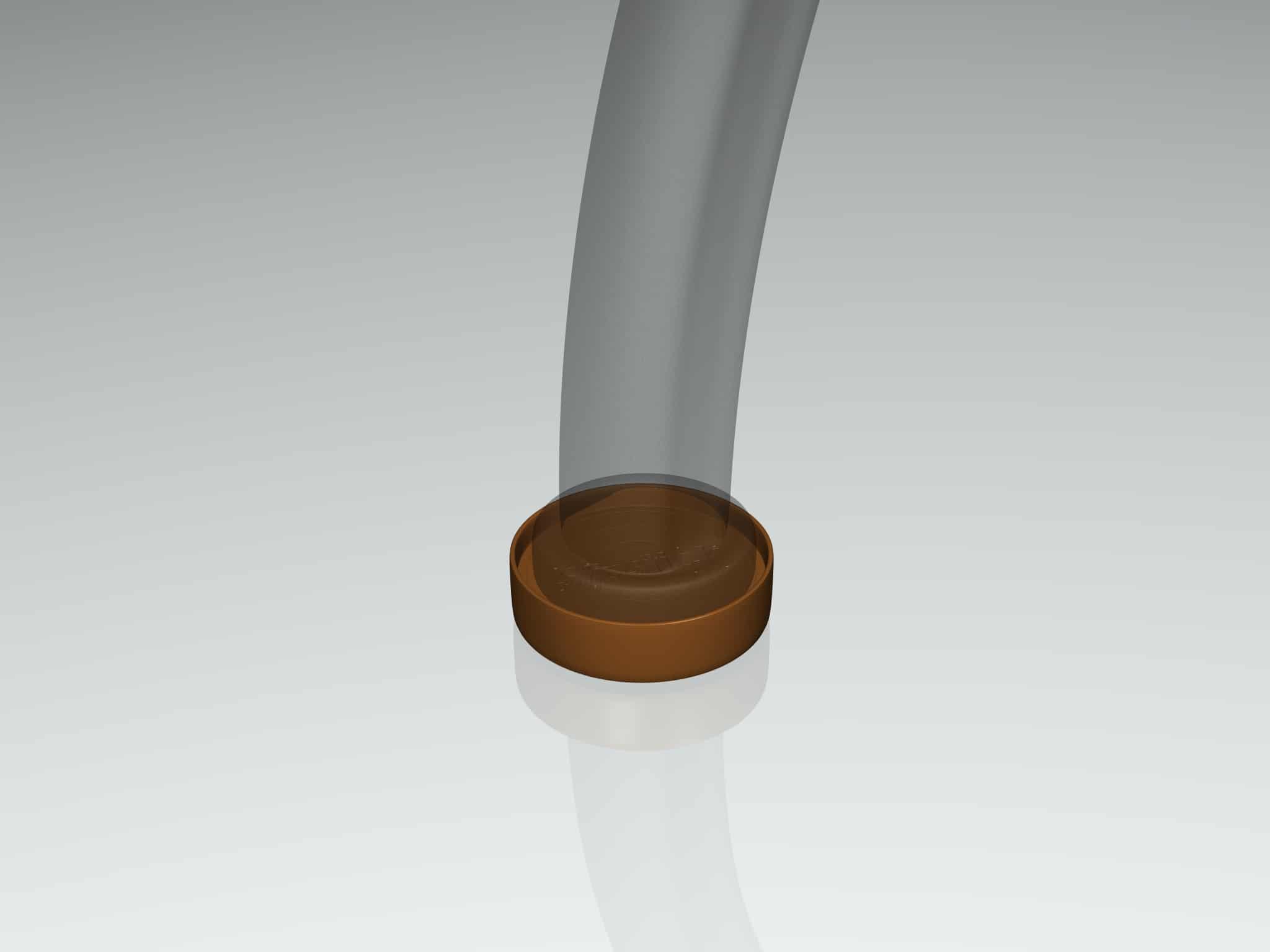
Have a washing machine or refrigerator that you don’t want to mark your hard floor? Try Slipstick Furniture Coasters with the specially formulated O’Ring to stop heavy furniture from moving. See the full range here: https://www.slipstick.com.au/slipstick-furniture-coasters/

Loading new posts...
No more posts