
Slipstick Castor Wheels

furniture

Understanding the Differences Between Casters and Rubber Castors for Indoor Use

When you need furniture to move easily indoors without scratching the floor, castors are usually part of the conversation. But they’re not all the same. Some glide quietly, some leave marks, and some turn awkwardly in tight spaces. Among those options, rubber wheel castors are often better suited for smooth and steady movement on indoor floors. They’re common, but many people still wonder how they’re different from other general castors.

We’ve put together a simple breakdown of what sets castors apart and how rubber wheel designs can help keep movement quiet and surfaces safe. That way, when it’s time to update or move a few things around inside, it’s easier to pick the right ones and skip the stress later.

What Are Casters and How Are They Used?

Castors are the wheel-and-mount units you often find attached to furniture or equipment that needs to move. They’re more than just tiny wheels, and the type you choose matters for comfort, safety, and appearance.

There are two basic movement types:

• Fixed castors roll in a straight line and sit firmly in one direction

• Swivel castors rotate freely, which makes turning corners easier

You’ll find castors on everything from chairs to trolleys and storage drawers. Whether it’s a chair leg or a shelf rolling over polished timber, the way the castor is built will affect how smooth that movement feels. The design of the wheel itself, the material, size, and tread, plays just as much of a role as the part it’s attached to.

Some castors handle weight better. Others are meant for speed or frequent movement. Wrong choices can lead to dents, noise, or hard-to-remove scuff marks. That’s why it helps to learn how options differ before rolling that desk across a living room.

Understanding Rubber Wheel Castors

Rubber wheel castors are exactly what they sound like, castor wheels made from rubber or a rubber-like material rather than metal or plastic. That change in material can make a big difference, especially on indoor floors like tile, laminate, or timber.

Here’s what sets rubber wheel castors apart:

• The rubber surface has a little give in it, which cushions contact with the floor

• They grip smooth surfaces better compared to hard plastic wheels that can slip quickly

• Rubber doesn’t make as much noise while moving, so it’s good for quiet spaces like bedrooms or offices

Some Slipstick rubber castor ranges use twin rubber wheels that are safe for hardwood, laminate, vinyl, tile, slate, and other hard floor surfaces, so they protect polished floors without needing an extra chair mat underneath.

We’ve found rubber wheel castors are best when you want more control and less scraping across the floor. If the surface is polished or delicate, like freshly sealed timber, these wheels help avoid visible wear. They handle corners well and aren’t as likely to skid on smooth tile or vinyl, which makes movement steadier when you’re sitting in a chair or pushing a trolley inside.

Comparing Movement and Floor Safety

Floor protection is usually one of the top concerns when choosing the right castor. Some materials are gentle while others can damage surfaces over time.

Here’s how different materials compare on indoor floors:

• Hard plastic wheels can leave tracks or cause small scratches on timber or laminate

• Metal castors might handle heavier loads but are often noisy and hard on soft surfaces

• Rubber spreads out the impact and helps lower the chance of dents and scuffs

If you’ve ever moved a chair and noticed thin lines or worn edges where it sits, the type of castor probably played a role. We’ve seen many timber floors take surface damage from hard wheels that looked harmless. Rubber offers a softer contact with better grip that lowers friction and handles dust or grit better without grinding it into the wood.

Noise, Grip and Furniture Stability

Different caster materials don’t just feel different to push, they also sound and handle differently. Rubber often offers better control, especially on slick or uneven surfaces.

Here’s why rubber castors are more stable:

• They produce less rolling noise on indoor surfaces

• The added grip from rubber helps prevent slipping or sliding

• Furniture stays put when it needs to and rolls smoothly when moved

Some Slipstick rubber castors use dual bearing designs that give smoother, quieter rolling while the soft rubber tread protects hard floors, which is helpful for chairs and trolleys that move often on timber or tile.

Compared to plastic wheels that sometimes slide out too fast or clatter over grout lines, rubber helps slow things down slightly and provides more accurate stops. This matters if the piece of furniture is tall or unbalanced, where unwanted movement could be risky.

Maintenance and Long-Term Considerations

Castors might seem like they’ll last forever, but they need a bit of care like anything else. Whether it’s rubber or plastic, long use can wear down the wheels, cause flat spots, or lead to rough movement.

Here’s how to keep them working well indoors:

• Wipe down wheels often to remove grit, hair, or fibres that get caught

• Check regularly for cracked rubber edges or fading treads

• Swap out old castors when they flatten or no longer roll smoothly

We’ve noticed even great wheels start to degrade if ignored for long periods. With rubber, you might not hear it when things go wrong, so taking a minute to roll furniture and check how it moves helps catch problems early. Clean castors also protect floors from hidden build-up that could scratch or leave dull areas.

Make Indoor Furniture Easier to Move Without Damaging Floors

Choosing between general castors and rubber wheel castors often comes down to the kind of surface your furniture sits on and how much movement you need. For indoor use on hard floors, rubber adds that small layer of safety that keeps things quiet, smooth, and protected.

We’ve seen how the right castor choice makes daily life easier, especially for common items like office chairs or household trolleys. Whether you’re shifting something a few metres or rolling it back and forth often, it helps to pick wheels that offer better grip, softer contact, and quiet movement without putting your floors at risk.

At Slipstick, we focus on helping you move furniture safely without giving up comfort or control. Picking the right wheels matters, especially when you want to avoid surface damage and keep things quiet at home. Our selection of rubber wheel castors is made for those indoor spaces where noise and marks are best avoided. Whether you’re refreshing an office chair or updating a trolley, we’re here to point you in the right direction. Need a hand choosing what suits your space best? Get in touch with us today.
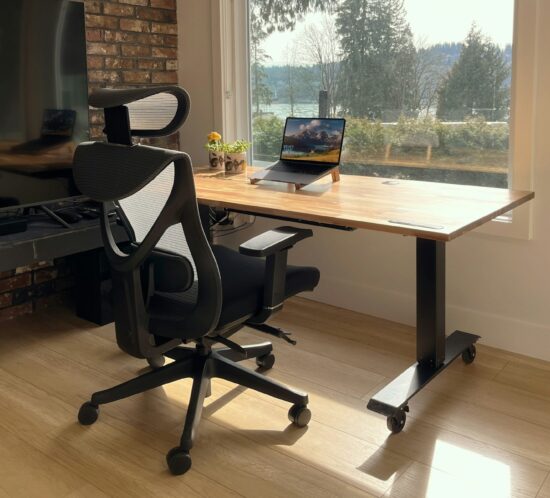

office chair castor wheels

How to Choose Durable Caster Wheels for Lasting Support

Choosing the right caster wheels might not be the first thing that comes to mind when setting up furniture, but it’s one small decision that affects movement, comfort, and long-term condition. Whether you’re planning a new home office or refreshing the family room, well-made caster wheels can keep things rolling with less wear on your furniture and floors. Some options are built for looks, others for strength, and many can do both. The key is picking wheels that match how you live. With so many materials, sizes, and styles, it’s easy to feel unsure about what fits best. We like to keep it simple. Here’s a clear approach to choosing caster wheels that hold up and won’t let you down.

Know What Caster Wheels Are Made Of

Materials matter when it comes to caster wheels. Not all wheels will handle the same pressure, surfaces, or usage. By matching materials to the right furniture and home setup, we get better results and fewer surprises.

  • Rubber wheels offer great grip, especially on hardwood or smooth tiles. They’re soft, quiet, and gentle on floors, but they can wear out faster if the load is too heavy.
  • Polyurethane wheels find a nice middle ground. They handle more weight without harming surfaces. They also roll smoothly across tile, laminate, and vinyl. We offer casters with polyurethane treads for durability and floor safety.
  • Metal caster wheels are tough and sharp-looking, often used for industrial-style furniture. Their weight support is strong, but they can be too hard for delicate flooring and might leave marks if rolled roughly.

Understanding this match is part of preventing early wear. If a wheel is too soft for the job, it flattens or cracks. If it’s too hard for the floor, you’ll end up with dents or lines that are hard to fix. Neither is ideal. That’s why we always start with the materials.

Understand Wheel Size and How It Affects Movement

Wheel size doesn’t just change how a piece of furniture looks, it decides how easy it is to move and how well it holds weight. Picking the right size comes down to how much you expect that furniture to be used and moved.

  • Larger caster wheels usually roll better over uneven flooring. They spread weight across a wider surface, reducing pressure on any one spot. This helps protect the floors and shortens stops or jerks during motion.
  • Smaller caster wheels work best when you’re tight on space or dealing with light furniture. They have a lower clearance, so they stay tucked neatly under beds or stools, but too much weight can make them drag or catch on bits of flooring.
  • When it comes to turning and control, bigger isn’t always smoother. It depends on how much room you have and what sort of objects you’re moving. If your lounge chair only shifts once a month, a smaller wheel may be fine. But for chairs, trolleys, or drawers that get daily movement, bigger might save hassle in the long run.

The size choice shapes how easily your furniture moves and how much impact that movement has on floor surfaces.

Pick the Right Mounting Style for Your Furniture

Mounting is often the piece people forget, but how the wheel connects to the furniture makes a big difference in how well it works. Strength, balance, and even look can be affected.

  • Plate-mounted casters are flat and wide, usually squared off, and screwed into the bottom of the leg or frame. These work well for heavy dressers, tool units, or anything boxy and stable.
  • Stem-mounted casters use a single shaft (or “stem”) that slides into the furniture leg. Sometimes they screw in, sometimes they press-fit. These are often used for chairs, stools, or lighter tables.

We provide both plate- and stem-mounted caster wheels in various sizes to fit a wide range of furniture, making it simple to find a secure match for your needs.

Choosing between the two depends on the furniture design. If it has hollow legs or you’ve already got a drill-ready base, you might lean one way or the other. But more than fit, you’ll want the mounting to feel secure, with no wiggle that could wear down over time. That’s how we avoid loose wheels and wonky furniture that tilts or drags.

Consider Floor Type and Daily Traffic

The type of floor under your furniture can change how effective your caster wheels are. Some surfaces are smooth and forgiving. Others show scratches quickly or trap dirt that grinds beneath wheels. The way you use your space matters, too.

  • Hardwood floors need softer wheels like rubber or soft tread polyurethane to protect the finish and prevent dents.
  • Tiles can handle firmer wheels, but still benefit from treads that won’t slip.
  • Vinyl and laminate floors often show marks fast, so it helps to pair them with quieter, padded wheels.

Besides floor type, we look at how often a piece moves. Is it a dining chair that scoots daily or a desk that rarely shifts? High-use furniture needs wheels that hold up without jamming or squeaking. Another detail that people in apartments or shared housing might care about is noise. Some wheels rattle or echo on uncarpeted floors. Pick ones that move quietly if you’re sharing walls or working late at night.

Sometimes, even carpeted areas require special attention. Wheels with a bigger surface area work better on thick carpets because they don’t sink in as much, so movement stays smooth. For rugs, softer wheels can help avoid bunching or tugging at the edges. Considering these details will help you choose the most reliable wheel for your own home setup, whatever the flooring might be.

Look for Bonus Features that Improve Everyday Life

Some caster wheels come with extras that make day-to-day use easier or safer. These aren’t must-haves for everyone, but they sure help in busy homes.

  • Swivel heads let the wheel spin in any direction. If your space is tight, this helps with quick turns or sliding a chair under a table without dragging it.
  • Locking brakes are useful when you need things to stay still. For example, you might have a bar cart or desk on wheels, but you don’t want it sliding every time someone bumps it.
  • Shock-absorbing casters help soften the bounce or rattle when rolling over slight bumps. These are great for keeping furniture stable and quiet on uneven surfaces.

Many of our caster wheel models offer swivel and braking features, so furniture can be moved and then secured easily anywhere in the home.

You may also want to consider wheels that resist hair and debris buildup, especially if you have pets. This small detail can save plenty of time spent cleaning or picking threads out of wheel treads. Choose wheels that are easy to clean and maintain, so movement stays effortless and the lifespan of your caster wheel is extended.

Small upgrades like these mean fewer small annoyances later. If you’ve ever had a chair drift away when you stand up or a shelf roll out from the wall, these features will feel like a relief.

Reliable Movement, Lasting Protection

The best caster wheels don’t just roll, they do their job quietly, hold their weight, and protect what’s under them. Whether you’re planning for looks, strength, or ease, it’s worth taking the time to choose them right. Material, size, mounting, and fit all play a part in how your furniture performs.

We think of caster wheels as small parts doing big work. That chair that glides instead of grinding, that shelf that stays balanced while loaded up, those details stick around. With the right fit, your furniture moves the way you need it to, your floors stay in better shape, and the hassles stay low. All signs of a smart, well-matched choice.

Find the Right Caster Wheels for Your Space

At Slipstick, we understand that the right furniture wheel can make a big difference in keeping your space running smoothly and preventing damage. Whether you’re refreshing seating or updating storage, our range of caster wheels delivers lasting support tailored for everyday use. The ideal fit helps movement feel effortless and keeps your floors protected, even in high-traffic areas. Need a hand deciding on the perfect style or size? Reach out and our team will guide you to the best option for your needs.

office furniture

Troubleshooting Squeaky Caster Wheels on Rolling Furniture

We’ve all been there—pushing a chair across the room only to be met with an unnerving squeak that disrupts the peace. Squeaky caster wheels on rolling furniture are more than just a minor annoyance; they can become a major hindrance to smooth movement. They can also pierce through the quiet of your home or office space, leading to unnecessary frustration. Thankfully, you don’t have to put up with this. Understanding why caster wheels squeak and learning how to fix them can restore tranquility and efficiency to your environment.

When you address the problem of squeaky caster wheels, it’s about maintaining both function and peace of mind. These little components play a vital role in your home or office setting, allowing furniture to glide effortlessly across the floor. However, when they squeak, it’s a sign that something is wrong—perhaps it’s dust, lack of lubrication, or damage. Solving these issues not only keeps your furniture functioning correctly but also extends the lifespan of both the furniture and the floors beneath them. Let’s explore some straightforward solutions to tackle this common issue.

Identifying The Cause Of The Squeak

Before you rush to fix the squeak, it’s important to pinpoint what’s causing it. There are several usual suspects when it comes to noisy caster wheels: dust and debris build-up, insufficient lubrication, or wear and tear.

– Dust and Debris: As furniture moves, dust and tiny particles can get trapped in the wheels. Over time, this build-up creates friction, leading to that annoying squeaking sound.

– Lack of Lubrication: Just like any moving part, caster wheels need lubrication to function quietly and efficiently. Without it, the metal parts rub against each other, causing noise.

– Wear and Tear: Caster wheels endure a lot of stress. Regular use might lead to damage or misalignment, which can result in squeaking.

Checking for these issues is straightforward. Flip the furniture to access the caster wheels, and inspect them visually. Look for any immediate signs of damage or misalignment. See if there’s excessive dust or debris around the wheels. This initial inspection helps you decide whether it needs a simple cleaning, a bit of lubrication, or a replacement.

Differentiating between a minor problem that results in a simple squeak and a major issue that needs replacement is crucial. A minor fix like cleaning or oiling may suffice for most cases, but if the wheels still squeak after these adjustments, you might need a deeper inspection or replacement. Understanding these signs prevents further damage and maintains the furniture’s effectiveness.

Cleaning The Caster Wheels

Now that you know what’s causing the squeak, cleaning could be your next move. Regular cleaning helps remove the dust and debris that settle in and around the caster wheels, and it’s a simple way to keep them in good working condition.

Here’s how to clean the wheels effectively:

1. Gather Your Supplies: Get a soft cloth, a small brush (like a toothbrush), and some soapy water.

2. Remove Loose Dust and Debris: Use the brush to gently scrub around the wheels. This will help dislodge any dirt or debris that’s stuck in the crevices.

3. Wipe Down the Wheels: Wet the cloth with soapy water and wipe the wheels thoroughly to remove finer particles of dust.

4. Dry the Wheels: Make sure the wheels are completely dry before using them again. Excess moisture can lead to rust or further complications.

Regular cleaning keeps the caster wheels in top shape and prevents the annoying squeaking sound. It’s a straightforward solution that can save you money and hassle in the long run. Moreover, this step lays the groundwork for effective lubrication and avoids potential damage from accumulated grime. Pay attention to this maintenance trick to keep your furniture rolling smoothly without those pesky squeaks.

Lubricating The Caster Wheels

Once the caster wheels are clean and free from dust, it’s time to give them a little bit of extra care through lubrication. This step is key to ensuring they roll smoothly without a hitch. Choosing the right lubricant is simple and can make a big difference. Silicone spray or light machine oil are both good picks for caster wheels, helping reduce friction and noise.

Here’s how you can easily lubricate the wheels:

1. Prepare the Wheels: After cleaning, ensure that the wheels are completely dry. Any remaining moisture can interfere with the lubricant’s effectiveness.

2. Apply the Lubricant: Spray a small amount of your chosen lubricant onto each wheel. Focus on the axle and the points where the wheel rotates. A light coat is sufficient; you don’t want to overdo it.

3. Test the Wheels: Spin each wheel a few times to evenly distribute the lubricant. This helps it seep into all the right spots, promoting smoother movement.

4. Reapply as Needed: Regular use will wear off the lubricant over time. Make a note to check and reapply every few months to keep the wheels in top shape.

Keeping caster wheels lubricated involves minimal effort but offers significant benefits. This simple maintenance step prevents the wheels from wearing down prematurely and ensures they remain silent and efficient.

Replacing Worn or Damaged Caster Wheels

Even with regular care, there comes a time when caster wheels just need to be replaced. Frequent use leads to wear and tear, and sometimes a good clean and lubricant are not enough to restore their functionality. Replacing them when needed helps extend the life of your furniture and keeps it mobile.

When should you consider replacing the wheels? Look for these signs:

– Persistent Squeaking: If the noise persists despite cleaning and lubricating, it might be related to deterioration that requires replacement.

– Visible Damage: Cracks, chips, or warping in the wheels indicate it’s time for new ones.

– Rough Rolling: If the wheels aren’t rolling smoothly after all maintenance efforts, they’re likely worn out.

Selecting new caster wheels should take into account the weight and type of your furniture. Most wheels are easily available and come with installation guides to make the process straightforward. Once you replace them, you’ll notice immediate improvement in maneuverability and noise reduction.

Keeping Your Rolling Furniture Quiet And Smooth

Maintaining your caster wheels doesn’t just stop at the occasional clean or lube. To keep your rolling furniture at its best, regular checks and simple maintenance can go a long way. Here are a few tips to keep them running quietly and smoothly:

– Routine Inspections: Check the wheels regularly for accumulation of dust or signs of wear. A quick once-over every few weeks can prevent bigger issues.

– Scheduled Maintenance: Plan regular cleaning and lubrication at intervals that match the usage of your furniture. Busy households might need more frequent attention.

– Quality Wheels: Investing in high-quality caster wheels from the start can pay off in less maintenance over time and a longer life span.

By keeping a consistent maintenance routine, your caster wheels can function quietly and effectively, contributing to a more serene and efficient environment. Smooth rolling furniture makes for a more enjoyable and hassle-free space, ensuring you can focus on the more important things in life without distractions from squeaky interruptions.

Achieving smooth and silent movement with your furniture is certainly within reach. If you’re ready to upgrade or replace those noisy elements, explore Slipstick’s selection of quality caster wheels. With the right components, you can ensure long-lasting performance and a quieter, more comfortable space.

wobbly furniture

How to Fix Wobbly Furniture with Appropriate Caster Wheels

Dealing with wobbly furniture can be pretty annoying, right? Just when you think you’ve found the perfect spot to relax, that shaky chair or uneven table interrupts your peace. You’re just trying to enjoy a cup of tea or get through some work, and suddenly, your table turns into a mini seesaw. It’s a relatable problem that many people face, but there’s a straightforward fix for this: caster wheels.

These small but mighty accessories can turn your frustrating experience into a smooth ride. They provide stability, transforming any wobbly piece into a steady component of your living space. No more worrying about spills or tools rolling off the edge of the table. Let’s explore how caster wheels make a real difference in ensuring your furniture finds its balance.

Identify the Cause of Wobbliness

Before adding caster wheels as a solution, understanding why your furniture wobbles is important. There are several reasons this might happen:

– Uneven Floors: Often, the floor itself may have slight imperfections or slopes.
– Worn-Out Furniture Legs: Over time, the legs of tables and chairs may become uneven due to normal use.
– Poor Initial Assembly: Sometimes, furniture pieces weren’t assembled correctly, and this leads to instability.

Identifying these factors is the first step in solving the problem effectively. For instance, if an uneven floor is the culprit, you might try a quick fix by slipping a coaster under the shorter leg, but caster wheels will provide a more permanent solution. It’s like solving a puzzle where every piece has its fit. By knowing the exact cause, you can proceed with the right adjustments and ultimately improve the overall stability of your furniture.

Once you’ve pinpointed the issue, fixing it becomes a lot easier. Say goodbye to the inconvenience of unsteady furniture, and say hello to a home that feels just right. No more excuses for avoiding the wobbly table—it’s time for a stable transformation with the help of caster wheels.

Types of Caster Wheels

When it comes to fixing wobbly furniture, not all caster wheels are created equal. Choosing the right type can make a huge difference in stabilizing your furniture. There are several options available, and each serves its unique function. Here’s a quick rundown:

1. Twin-Wheel Casters: These are great for larger pieces like desks or tables. Twin wheels distribute weight more evenly, providing added support.
2. Swivel Casters: Ideal for furniture that you need to move regularly, like chairs. They rotate 360 degrees, offering maximum mobility.
3. Locking Casters: Perfect if you want stability when needed. They include a locking mechanism, which prevents unwanted movement.
4. Furniture Casters: Specifically designed to be gentle on floors, these are excellent for lighter furniture pieces like small bookshelves or display stands.

Each type has its advantages and is better suited for specific uses. Understanding your needs and your furniture’s weight and usage will help in selecting the right caster wheel. Suppose you have a kitchen island that occasionally needs relocating; swivel casters would be your best bet. Their lightweight maneuverability combined with locking options can turn a wobbly piece into a stable, mobile island.

Step-by-Step Guide to Fixing Wobbly Furniture with Caster Wheels

Now that you know which caster wheels suit your needs, let’s tackle how to attach them properly. Here’s a simple step-by-step guide to get you on track:

1. Measure: Before purchasing, measure the furniture’s leg diameter to ensure you buy the correct size caster wheels.
2. Select Capacity: Check the wheel’s weight capacity. Make sure it can support the furniture’s weight plus any additional load.
3. Gather Tools: You’ll need a screwdriver, measuring tape, and possibly a power drill depending on your furniture type.
4. Align and Mark: Position the caster wheel brackets on the furniture leg’s bottom. Mark the screw holes with a pencil.
5. Pre-drill Holes: If required, use a drill to make small pilot holes to ease the screw installation.
6. Attach Wheels: Secure the wheels using screws, making sure they’re tight and the wheels are aligned correctly.

Following these steps ensures that your furniture is steady and ready for use. Remember, the aim is to create a level surface without unevenness. Proper installation is key to solving the wobbly issue.

Maintenance Tips for Caster Wheels

Once you’ve securely attached the caster wheels, maintaining them is crucial for long-lasting stability. Regular upkeep will keep your furniture rolling smoothly and prevent any future wobble problems.

– Clean: Wipe down the wheels regularly to remove dust and debris that could clog them.
– Inspect: Frequently check for any signs of wear or damage. Early detection can prevent larger issues down the line.
– Tighten: Occasionally re-tighten the screws and brackets to ensure everything remains securely in place.

Keeping on top of these simple tasks will help maintain the functionality of your caster wheels, ensuring your furniture remains sturdy and reliable. That unstable table or chair will be a thing of the past, and with a few basic maintenance tips, your furniture stays in top condition well into the future.

Discovering how caster wheels can transform the stability of your furniture brings comfort and efficiency to any room. Whether it’s for a desk, chair, or kitchen island, these wheels offer a practical solution to common wobbly issues. Explore the range of high-quality options available at Slipstick to ensure you’re making the best choice for your home. If you’re looking to elevate your furniture game, get a closer look at how using versatile options like caster wheels can make a difference. For more information and to find just the right addition for your living space, visit the comprehensive selection today.

furniture casters

What Type of Furniture Casters for Sale Are Right for Your Needs

Choosing the right furniture casters can make a big difference in the way your home or office space functions. Casters are those small, often unnoticed wheels attached to the base of furniture items that make movement smooth and hassle-free. Imagine the ease of sliding a heavy sofa across the floor without a scratch or swivel chairs gliding effortlessly on carpet. Picking the correct caster not only saves time but also keeps your flooring in tip-top shape.

Not all casters are created equal, and understanding these differences helps in making a smart choice. Depending on your needs, you might prioritize mobility, stability, or even style. With several options available, it can seem overwhelming, but narrowing down your requirements will make selection straightforward and beneficial.

Understanding Furniture Casters

Furniture casters are simple devices, yet they are essential for ensuring that your furniture is both mobile and stable. At their core, casters are wheels designed to be attached to furniture pieces, making it easier to move them from one place to another without exerting much effort or causing damage to floors. They come in various types and are usually crafted from materials that best suit their intended use.

Materials commonly used in casters include:

– Rubber: Known for its soft finish, rubber is excellent for protecting delicate floor surfaces like hardwood.
– Metal: Durable and strong, metal casters are ideal for heavy furniture or storage units.
– Plastic: A budget-friendly option, plastic casters work well for lighter pieces, offering decent floor protection and mobility.

Each material brings its benefits, allowing users to choose based on the floor type and the furniture piece being used.

Casters play a big role in enhancing functionality at home or in the office, whether it’s to replace those worn-out wheels on an office chair or add mobility to a stationary coffee table. Picking the right kind ensures efficiency and care for floors, which adds to the longevity of both the furniture and the surface they rest on.

Types of Furniture Casters for Sale

There are several types of furniture casters, each designed to meet different needs. Understanding these can help you make a clear choice that suits your specific requirements.

– Swivel Casters: These casters are perfect for furniture that needs to move in multiple directions, like office chairs. Swivel casters rotate 360 degrees, offering flexibility and mobility, allowing easy navigation around obstacles.

– Rigid Casters: If you need stability and straightforward movement, rigid casters are the way to go. They move only in a straight line, which helps keep heavy furniture steady and aligned, making them ideal for use on desks or shelving units.

– Brake Casters: These incorporate a locking mechanism to keep furniture stationary when needed. They’re great for multi-use pieces that you might sometimes want to remain firmly in place, offering the flexibility of mobility and stability in one package.

– Designer Casters: For those with an eye for style, designer casters come in various finishes and styles. Whether you prefer a sleek chrome or a rustic wooden look, these allow you to match your furniture aesthetic without sacrificing functionality.

Choosing the Right Caster for Your Floors

Finding the proper caster involves considering the type of flooring and how it interacts with your furniture. Here are a few tips to guide your selection:

– Floors Matter: Soft rubber casters are suitable for hardwood floors as they prevent scratches. For carpeted floors, harder materials like metal or plastic may be preferable, as they glide smoothly without sinking into the pile.

– Furniture Weight: Consider the weight of the furniture piece. Heavier items need stronger casters to support them without risking damage or getting stuck. Metal casters are often sturdy enough for more substantial furniture, while lighter pieces can use plastic casters for efficient movement.

Opting for the right casters enhances your space’s functionality and protects your investment in flooring and furniture.

Maintenance Tips and Benefits

Maintaining casters is simple but critical for their longevity and your floor’s protection. Here’s how you can keep them in good condition:

– Regular Cleaning: Dust and debris can accumulate around casters, impairing their function. Wipe them down regularly and remove any hair or residue caught in the wheels.

– Check for Wear and Tear: Inspect casters occasionally to ensure they’re not worn or damaged. Replace any that show signs of excessive wear to prevent potential damage to your floors.

– Lubrication: Apply a bit of lubricant to the wheel bearings to keep them rolling smoothly and minimize noisy squeaks.

Proper maintenance extends the life of both your casters and your floors. It ensures that furniture stays easy to move and your floors continue to look pristine.

Keep Your Furniture Mobile and Floors Protected

Selecting appropriate furniture casters turns what could be a cumbersome task into an effortless one. With the right casters, moving furniture becomes a breeze, whether rearranging for a new look or cleaning underneath. It removes the worry of scraping floors or dealing with constant readjustments.

Choosing wisely based on your flooring and furniture weight, and keeping up with regular maintenance, ensures that your home or office space remains functional and aesthetically pleasing. With this knowledge, you can confidently explore the variety of furniture caster options and make a choice that suits all your needs. This straightforward approach helps you maintain a stylish, organized, and functional environment.

Investing in the right furniture casters keeps your home or office space efficient and polished. With various options to suit different furniture and floor types, making the right choice is straightforward. Slipstick offers a range of options for those looking for the best solution in adapting spaces. To explore how your needs align with our solutions, check out our furniture casters for sale and see how you can enhance every room.

furniture coasters

Key Differences Between Furniture Casters and Furniture Coasters USA

Choosing the right floor protectors for your furniture is more important than you might think. Whether you have hardwood, carpet, or tile flooring, using the right type of protection can save your floors from ugly scratches and wear. It ensures your furniture glides smoothly across the surface and keeps everything in place. Many people often find themselves puzzled when deciding between two popular options: furniture casters and furniture coasters. Understanding the differences between these two can help make an informed decision, keeping both your floors and furniture in great shape.

Sometimes, it might seem trivial, but picking the ideal floor protector is a decision that can affect how your living space looks and functions. Imagine rearranging furniture in your living room without worrying about harming the floor or experiencing the frustration of constantly shifting furniture every time you sit down. By exploring the characteristics of casters and coasters, you ensure the protection and longevity of both your flooring and your treasured seats, tables, or sofas.

What Are Furniture Casters?

Furniture casters are small wheels attached to the legs of furniture pieces, allowing easy movement. They are usually made of durable materials like metal or rubber, making them great for both light and heavy furniture. These casters come in various types tailored to different needs, such as swivel casters that allow for 360-degree rotation, or rigid casters that move straight back and forth.

You’d find casters beneficial if you’re someone who loves to rearrange your space often. Rolling a heavy item across a room without lifting it can save time and effort. Also, swivel casters are often used in office chairs, making it simple to move without standing. They’re quite handy for making movement smooth and easy, which is why businesses and homes alike embrace them for everything from office chairs and entertainment centers to plant stands and kitchen islands.

The beauty of furniture casters lies in their practicality and versatility. Not only do they ease the movement of furniture, but they can also protect floors when made from suitable materials. For instance, rubber casters are excellent for protecting hardwood floors, while metal ones might be more appropriate for rougher surfaces like concrete. By choosing the right type of caster for your floor type, you can enjoy both functionality and protection.

What Are Furniture Coasters USA?

Furniture coasters in the USA serve another crucial role in floor protection. Unlike casters that facilitate movement, coasters are designed to keep furniture firmly in place. They are often small pads that sit underneath the furniture’s legs. You’ll find them made from a variety of materials like felt, rubber, or plastic, designed to suit different types of flooring.

Many people use coasters to prevent furniture from scratching floors or sliding, especially on slippery surfaces like hardwood or tile. They’re particularly helpful if you have young kids running around or if you live in an area prone to minor tremors, as they help keep everything stable and safe. Coasters are often easy to install, requiring no tools or adhesives, making them an attractive choice for non-tinkerers.

Furniture coasters can cater to both indoor and outdoor furniture needs. While felt coasters are soft and ideal for indoor use on smooth surfaces, rubber coasters will provide that grip needed outside on decks and patios. They undeniably offer an accessible, simple way to protect any floor type without sacrificing style or comfort.

Key Differences Between Furniture Casters and Furniture Coasters USA

While both casters and coasters serve to protect floors, their functionality and design set them apart in several ways. Casters, equipped with wheels, allow for effortless movement across floors, making them perfect for furniture you may need to relocate regularly. Coasters, on the other hand, are stationary pads designed to hold furniture in place, preventing unwanted sliding and protecting from scratches or dents.

In terms of material and installation, casters are often made from metal, rubber, or combinations of these for different floor types. They require a bit of installation effort, as they need to be securely attached to the furniture legs. Coasters, typically crafted from felt, rubber, or plastic, are simple to position under furniture legs without any installation fuss. These differences mean that choosing the right type requires consideration of how you intend to use your furniture.

Here’s how casters and coasters affect flooring differently:

– For tile floors, rubber casters or coasters can prevent slipping and scratches.
– Hardwoods benefit from felt coasters to avoid scratches, while rubber or polyurethane casters protect without leaving marks.
– Carpeted floors can accommodate both, though casters are helpful for moving heavier pieces without friction issues.

Choosing the Right Option for Your Needs

Selecting between furniture casters and coasters involves a bit of personal choice and practical need. To make this decision, consider:

1. Furniture Type: Think about what kind of pieces you’re placing, like chairs or tables, and if they need to stay put or move often.

2. Flooring Type: Different floors need different protection. For instance, tile might need more gripping than hardwood.

3. Functionality: Do you frequently rearrange your space? Casters are a better match if so. Prefer stability? Then coasters might be your go-to.

4. Lifestyle Needs: Busy households, especially with kids, might benefit from the extra stability that coasters offer.

Once you’ve weighed up these factors, compare products suitable for your specific mix of furniture and flooring. Sometimes a mix of both casters and coasters in the same space can offer the most effective solution.

Protect Your Floors Effectively

Taking good care of your floors shouldn’t feel like rocket science. By understanding the differences between furniture casters and coasters, you can choose floor protection that fits both your home’s aesthetic and practical needs.

For peace of mind and lasting beauty in your living space, exploring different products is a smart approach. Invest in options that align with your lifestyle and floor style. There’s nothing quite like the feeling of knowing your beautiful floors are safe from harm, letting you live in comfort and style without worry.

Incorporating both style and practicality in your choices ensures that your home stays both fabulous and functional, no matter the activity. Enjoy the balance of fare flooring and furniture with the right care and attention.

Looking to protect your floors with the right tools? Check out Slipstick’s selection of high-quality floor protectors, including reliable options for your furniture. Whether you’re interested in the versatility of casters or the stability of furniture coasters USA, you’ll find exactly what you need to maintain the beauty and functionality of your space. Explore the variety today and keep your floors looking their best, no matter your lifestyle or flooring type.

Rubber Wheel Casters

Top Tips for Choosing and Using Rubber Wheel Casters

Choosing the right rubber wheel casters for your furniture and equipment can greatly improve both the convenience and safety of your space. Imagine trying to rearrange your living room or office without easy mobility; it would quickly become a hassle. The right casters not only make it easier to move heavy items but also help keep your floors protected from scratches and damage. It’s like giving your furniture an easy gliding effect, making daily tasks simpler and more efficient.

When you’re setting up your home or office, the type of casters you choose can make a big difference. It’s not just about looks; it’s about finding the right balance between functionality and protection. Rubber wheel casters are particularly valued for their strength and the way they protect floors from marks and damage. By understanding what to look for in casters, you’ll be better equipped to enhance your spaces effectively and comfortably.

Identifying Your Needs

Before considering rubber wheel casters, it’s important to pinpoint what you require for your specific furniture. Start by considering the weight capacity needed. If your furniture is bulky and heavy, you’ll need casters that can handle a greater load. To ensure safety and ease of movement, choose casters designed to support the weight of the items they’ll be moving.

Another factor to think about is the type of surface the casters will be used on. Will your furniture be rolling over carpet, hardwood, or tile? Different surfaces can affect how smoothly and quietly the casters perform. For hardwood floors, opt for casters with a soft tread to prevent scratching. On the other hand, hard treads are ideal for carpeted areas as they can roll more effortlessly.

Next, assess how often the furniture or equipment will be moved. If you’re frequently rearranging your space or if the furniture is part of a high-traffic area, durability is key. High-quality casters are built to withstand regular use without wearing out quickly. Here’s a simple checklist to help you determine your needs:

– Calculate the weight capacity required for your furniture.
– Identify the type of flooring and select the appropriate caster material.
– Estimate the frequency of movement to choose durable casters.

By carefully considering these factors, you’ll be well-prepared to choose the right rubber wheel casters that fit your needs perfectly and enhance the functionality of your space.

Features to Look for in Rubber Wheel Casters

When selecting casters, it’s important to consider a few key features that can enhance their performance and longevity. First on the list is material quality. Opt for high-grade rubber to ensure durability and strength. This type of rubber not only provides a smoother roll but also protects floors from marks. It’s like choosing high-quality tyres for your car; the better the material, the better the performance.

Next, decide between swivel casters and fixed ones. Swivel casters allow for easy manoeuvring, making them ideal for furniture that needs to move in tight spaces. Fixed casters, on the other hand, only roll back and forth, which is great for straight paths or when stability is needed. Consider your room layout to choose the right type.

Noise reduction and floor protection features are also essential. Some casters come with a noise-dampening feature, making them perfect for quieter environments like an office or a library. Check if the casters also have a soft tread to prevent damage to sensitive floorings like hardwood or laminate.

Installation and Usage Tips

Once you’ve picked the right caster, proper installation is key to ensuring everything works as intended. Here’s a simple step-by-step guide to help:

1. Gather your tools, like a wrench and screwdriver.
2. Securely attach the caster to the furniture based on the manufacturer’s instructions.
3. Ensure all screws and nuts are tightened to prevent the caster from coming loose.

Regular maintenance will keep your casters in top shape. Clean them periodically to remove any dirt or hair that may wrap around the wheels. You might also want to lubricate them occasionally to keep them rolling smoothly.

Avoid common mistakes such as overloading the casters beyond their capacity. This can lead to premature wear or damage. Also, be cautious of mismatched casters on the same piece of furniture, which can lead to uneven movement.

Benefits of Using Rubber Wheel Casters

The advantages of having rubber wheel casters on your furniture are numerous. They enhance the mobility of heavy items, making it easier to rearrange your space without exerting much effort. Imagine sliding a bookcase across the room with minimal strain—it’s almost effortless with the right casters.

Beyond easing movement, these casters help protect your floors from scratches and dents. Their soft tread acts as a buffer, preventing any direct damage to the flooring surface. For noise-sensitive environments, they also offer quiet operation, reducing the clatter commonly associated with furniture movement.

These benefits, combined with their ability to provide a smoother rolling experience, make rubber wheel casters a practical addition to any home or office setting. They transform static furniture into moveable pieces, granting you flexibility in how you use your space.

Making the Most of Your Rubber Wheel Casters

Creative ways abound in using rubber wheel casters in your home or office, offering significant benefits. Some types are particularly suited for furniture items like chairs, desks, and storage units. These can make daily activities more convenient and adapt to various arrangements easily.

Tips for mixing and matching different types of casters are practical in tailoring your furniture to your specific needs. It’s beneficial to use the right kind for specific furniture to maximize efficiency and protection.

Elevate Your Furniture Mobility

As you’ve seen, choosing the right rubber wheel casters involves considering several important factors. From understanding the specific needs based on weight and floor type to selecting quality features that match your environment, making the right decision can have a significant impact on both the usability and protection of your furniture and flooring.

By investing in well-chosen casters, you enjoy the benefits of enhanced furniture mobility and floor protection, making your living or working space more functional and aesthetically pleasing. So, take some time to evaluate your options and get the best rubber wheel casters that will suit your specific needs and bring a new level of convenience to your home or office setup.

To effortlessly transform your space and protect your floors, explore Slipstick’s range of rubber wheel casters. They offer the perfect solution for enhancing the mobility and functionality of your furniture. Discover the options available to suit your needs and enjoy smoother, quieter movement in your home or office.

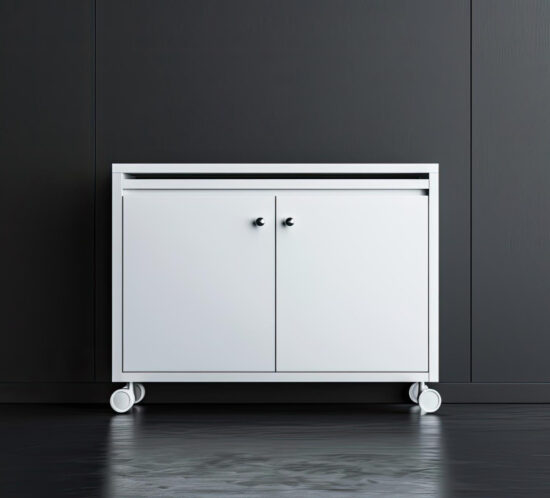
cabinet

How to Choose the Right Caster Wheels for Heavy Furniture

Moving heavy furniture can be a real nuisance. Just when you think you’ve got everything in place, you realise that the old carpet under your favourite armchair looks better on a different side of the room. But what about the weight of those sofa beds or cabinets that can’t seem to move without leaving a mark on the floor? That’s where the right caster wheels swoop in to save the day. Choosing the right ones can make all the difference between gliding around your home with ease and dealing with scratched-up floors and strained backs.

The benefit of the perfect caster wheels transcends simple mobility. Imagine being able to rearrange your living space without worrying about damaging your flooring or pulling a muscle. But not all caster wheels are created equal. Selecting the right set requires a bit of understanding. You should consider the different functions they serve and the various challenges they help overcome. Whether you’re staging a new layout for your room or just tidying up, the right wheels on your furniture make everything a bit simpler and a lot more enjoyable.

Understanding Caster Wheels

Caster wheels are more than just tiny rolling discs; they’re the hidden assistants in every well-organised room. You might find them attached to chairs, tables, TV stands, or any other furniture piece that could benefit from a little extra mobility. Caster wheels come in two main varieties: swivel and fixed. Swivel wheels can rotate 360 degrees, making manoeuvring a breeze, while fixed wheels move only forward and backward, offering more stability when needed.

But why are caster wheels such a boon for heavy furniture? Picture a huge wardrobe with all its weighty contents. Even on the sturdiest of floors, pushing that behemoth without any help isn’t easy or carefree. With the right caster wheels, however, that same wardrobe can be slid across the room smoothly, all without leaving any unsightly marks behind. They take the strain off your back and make rearranging your space a one-person job.

Not only do caster wheels enhance movement, but they also protect your floors from damage. Nobody enjoys the sight of scratched-up hardwood or indented carpet. That’s why choosing the correct material and design for caster wheels is crucial for maintaining both your furniture and flooring. With so many options, considering what fits best with the specific demands of your furniture becomes a vital step in selecting the right casters.

Types of Caster Wheels

There are several types of caster wheels designed to meet different needs. The most common are swivel and rigid. Swivel caster wheels can rotate 360 degrees, making them perfect for furniture that needs to change direction frequently, like chairs or mobile carts. Rigid caster wheels, on the other hand, move in a straight line, offering stability for items that don’t need to turn often, such as bookshelves or storage units.

Next up is the braking caster wheel, which combines movement with added control. This is ideal for heavy furniture that requires both mobility and the ability to stay put when necessary. Keep in mind that each type of wheel has its own set of advantages and disadvantages. Swivel wheels provide great manoeuvrability but can be a bit tricky on uneven surfaces. Rigid wheels are wonderful for straightforward movement, but switching directions can be cumbersome. Braking wheels offer control but might be slightly more complex in terms of mechanics.

Materials and Load Capacity

When it comes to materials, caster wheels are typically made from rubber, polyurethane, or steel, each suited to different flooring types and weight capacities. Rubber wheels are gentle on floors and reduce noise, making them great for indoor environments. Polyurethane wheels provide a balance of sturdiness and smoothness, perfect for hardwood or laminate floors. Steel wheels, while more durable, are best for industrial or outdoor use due to their potential to scratch delicate surfaces.

Determining the appropriate load capacity is crucial when selecting caster wheels for heavy furniture. Consider the total weight of the item and the surface it will roll over. For example, a large metal cabinet might need a heavier load capacity than a lightweight office chair. It’s a good idea to overestimate the weight a little, providing a safety buffer which also helps extend the longevity of the wheels.

Features to Consider When Choosing Caster Wheels

Several features come into play when choosing the right caster wheels:

– Wheel size: Larger wheels tend to roll more easily over obstacles, while smaller ones offer a lower profile.
– Mounting style: Options like plate, stem, or bolt make a difference based on where the wheel will attach.
– Floor compatibility: Not all wheels suit every floor, so pick ones that match your surface—whether carpet, concrete, or wood.
– Swivel radius: Ensure the wheels can move freely in tight corners if your space demands it.

Matching these features to your furniture’s requirements ensures both practicality and efficiency in daily use. It’s always recommended to weigh how often you’ll move the furniture and the typical paths it will follow.

Keeping Your Furniture Mobile and Safe

By understanding the types, materials, and special features of caster wheels, you can transform your cumbersome furniture into easily navigable pieces. Whatever your renovation or spring-cleaning goals might be, the right caster wheels can simplify and protect the transition.

Ultimately, choosing the right caster wheels isn’t just about the wheels themselves. It’s about creating a functional, safe, and visually pleasing environment. Happy shopping and may your spaces always stay easy to shift and stylish to boot!

To make the best use of your space while safeguarding your flooring, explore the variety of caster wheels available at Slipstick. Contact us to find the right fit for your heavy furniture and see how effortlessly they can transform your home setup. Let Slipstick help you strike the

Loading new posts...
No more posts