
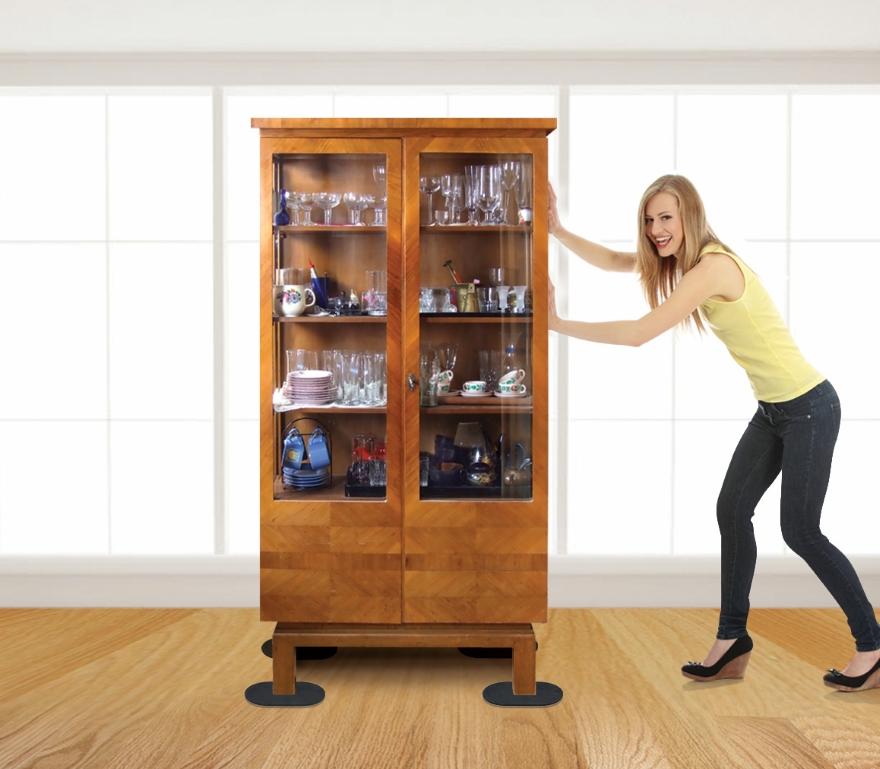
Situations Where Furniture Moving Pads Beat Sliders Indoors
When Moving Furniture Without Ruining Your Floors
Moving furniture indoors sounds simple until you hear that first scrape across the floor. That sick feeling in your stomach is exactly why furniture moving pads exist. They help you grip, lift, and carry heavy pieces so the weight stays off the floor instead of sliding across it.
Furniture moving pads are different from sliders.
- Moving pads go between your hands and the furniture for lifting and carrying
- Sliders go under the legs or corners so pieces can glide across the floor
Both have a place, but they are not twins. When your floors are delicate, your furniture is heavy, or your space is tight, furniture moving pads often give you more control and better protection. As indoor season ramps up with holidays, winter rearranging, and overnight guests, knowing when to pick pads instead of sliders can save your floors and your back.
Heavy and Delicate Pieces That Should Not Slide
Some things simply should not be dragged, even on good sliders. Loaded bookcases, pianos, armoires, large hutches, and fish tanks on stands put a huge amount of weight on small points. When those points slide, they can act like chisels on your floors.
Dragging is especially risky on:
- Soft pine or older hardwood with thin finish
- Tile that chips easily at the corners
- Luxury vinyl plank with click-lock seams
- Any floor with loose or squeaky boards
With furniture moving pads, you get a secure, non-slip grip so you can lift or tilt with control. The pads cushion your hands, help you grab awkward edges, and keep the weight more evenly spread when you set things down. Instead of dragging a loaded hutch across soft wood, you can team lift, move a step at a time, and place it gently where it belongs.
Once your heavy piece is in position, that is when long-term floor protection comes in. Adding Slipstick protective feet under the legs helps spread the load and guard against future dents, gouges, and cracks each time the furniture shifts, even a little.
Tight Indoor Spaces Where Control Matters Most
Open living rooms are one thing. Tight hallways, sharp corners, and crowded guest rooms are something else. When you are sliding furniture in cramped spots, you have less room to react if something moves faster than you planned.
Typical tight-space trouble spots include:
- Narrow hallways with painted trim close on both sides
- Sharp turns into bedrooms or small apartments
- Entryways with raised thresholds or small steps
- Guest rooms full of beds, boxes, and folding tables
On smooth floors, sliders can feel almost too smooth. A small push turns into a big glide, and now the corner of your dresser is headed straight toward a door frame. With furniture moving pads, both hands stay on the piece. You can step, pause, and adjust as you go, which is a lot calmer and safer.
Lifting with pads also helps you clear:
- Thresholds and floor transitions
- Area rug edges and runners
- Electrical cords and TV cables
- Floor vents and low registers
That means less catching, less tripping, and fewer dings in your trim and walls. Once everything is sitting where you want it, Slipstick gripper pads under the legs help keep it there so beds and sofas do not drift across the room every time someone sits down.
Protecting Fragile Floors and Problem Finish Types
Freshly refinished hardwood and brand new laminate or luxury vinyl look great, but they can be touchy. Even tiny bits of grit can leave faint lines and swirls, especially when winter brings in sand, salt, and dirt on shoes.
Even high-quality sliders can sometimes trap:
- Grit and small stones
- Pet hair and dust balls
- Tiny wood splinters or finish chips
When you drag furniture, that trapped debris acts like sandpaper between the slider and the floor. The piece may glide nicely, but the finish can pay the price. Using furniture moving pads shifts the work from sliding to lifting, so abrasive particles never get the chance to scrape along underneath.
For pristine or freshly cleaned floors, that lifting-first mindset is a big win. Once your layout is set, adding Slipstick floor protection to chair legs, couches, and tables gives you everyday defense against scuffs and dents so you are not constantly worrying each time someone pushes a chair back from the table.
When Your Back and Joints Need Extra Help
If your back, knees, or shoulders already complain, that long pushing motion that sliders encourage can make things worse. You twist, lean forward, and keep forcing the piece across the room, which puts a lot of strain on the same joints over and over.
Furniture moving pads support safer movement by:
- Making it easier to team lift instead of shove
- Letting you tilt and micro-lift using your legs instead of your back
- Reducing the long, awkward push across the room
During busy indoor seasons, when you might be doing several moves in a row, this really matters. Rearranging for a home office, clearing space for holiday decor, and setting up extra sleeping areas: it all adds up fast.
For future moves, pairing furniture moving pads with Slipstick risers or wheels can help even more. Raising a low sofa or bed can make cleaning and shifting easier later. Wheels on certain pieces turn big moves into simple rolls, so your body does not have to carry the whole load every time.
Seasonal Room Resets and Temporary Layout Changes
As the weather cools and we all spend more time inside, many homes go through a seasonal reset. Extra chairs come out. Living rooms get rearranged for bigger gatherings. A corner might become a temporary home office for the colder months.
Sliders are handy for small shifts on open floors, like nudging a couch a few inches or straightening a dining table. But when you are:
- Moving pieces between rooms
- Going up or down stairs
- Crossing from hard floors to carpet and back
- Lifting furniture on and off rugs
Furniture moving pads are usually the better choice. They let you pick furniture up and over rug edges and thresholds, so you are not dragging across seams or catching a rug corner and tearing it. Mixed flooring is common in many homes, and lifting instead of sliding keeps each surface safe.
A simple strategy many people like is:
- Use furniture moving pads for big changes and any move that crosses floors or levels
- Once things are roughly set, add Slipstick sliders or protectors under key legs
- Use the sliders for small, gentle adjustments through the season
That way you move the heavy, high-risk parts safely, then enjoy easy tweaks later without starting from scratch.
FAQ: Furniture Moving Pads and Indoor Use
1) Are furniture moving pads the same as furniture sliders?
No. Furniture moving pads are made for gripping and lifting or carrying furniture, so your hands have a cushioned, non-slip hold. Sliders sit under legs or corners so furniture can glide on the floor. For many indoor moves, especially with heavy pieces or delicate floors, pads are the safer first step and sliders are better for small final adjustments.
2) When should I use furniture moving pads instead of sliders indoors?
Use furniture moving pads when you are dealing with very heavy furniture, working in tight spaces, crossing thresholds or mixed floor types, or protecting fragile floors like freshly refinished hardwood or soft pine. They are also a smart pick when you want more control and less strain on your back and joints.
3) Will furniture moving pads scratch my hardwood or tile floors?
High-quality furniture moving pads should not scratch floors, because they sit between you and the furniture, not on the floor. They actually help prevent scratches by letting you lift instead of drag. For long-term protection after you are done moving, you can add Slipstick floor protectors under furniture legs.
4) Can I use furniture moving pads by myself, or do I need a helper?
You can handle many light to medium pieces on your own with furniture moving pads, especially shorter items you can grip well. For large, tall, or very heavy furniture, it is best to have a helper. Pads improve your grip and comfort, but they do not replace safe lifting practices. When in doubt, team up or hire professionals for items like pianos, large cabinets, or big appliances.
5) How do I choose between furniture moving pads, sliders, and risers?
Think about what you are trying to do and what floor you have. Use furniture moving pads for lifting and major moves, especially across different floor types or over fragile surfaces. Use sliders when you want to glide furniture smoothly across open floor space for small changes. Use risers when you need extra height for beds or sofas or want to make cleaning and future moves easier. Many homeowners keep all three on hand, along with Slipstick gripper pads, so any rearrange, deep clean, or seasonal reset can be done safely and with a lot more control.
Protect Your Floors And Make Moving Furniture Effortless
Make rearranging any room easier and safer with Slipstick’s furniture moving pads. Our pads help prevent scratches, reduce noise, and let you glide heavy pieces without straining your back. If you need help choosing the right solution for your home or business, contact us and we will point you in the right direction.