
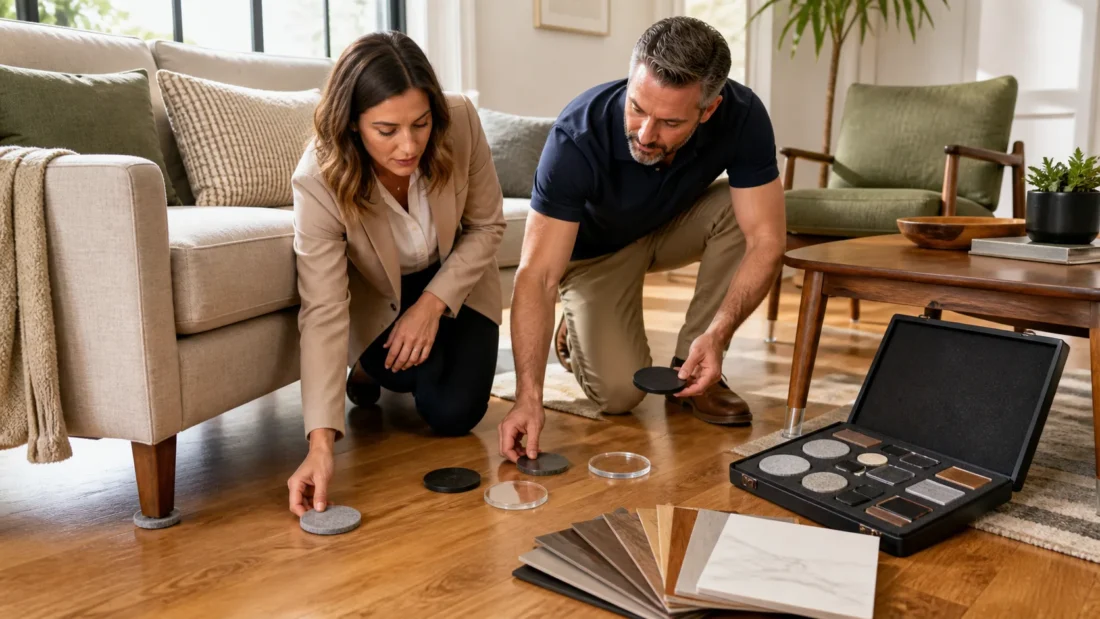
Designing Floor Protection Plans Around Furniture Coasters
Designing Floor Protection Plans Around Furniture Coasters
Protecting your floors before the busy holiday season starts is one of the smartest home projects you can do. When the weather cools across the USA, we all spend more time indoors, moving chairs in and out, shifting sofas, adding extra tables, and setting up decorations. All that movement can be rough on hardwood, laminate, vinyl, tile, and even carpet.
In this guide, we walk through how to build a simple, practical floor protection plan built around furniture coasters in the USA. We will talk about what a plan looks like, how to match coasters to your floors and furniture, and how to keep everything working well through fall, winter, and beyond.
Why Every Home Needs a Floor Protection Plan
A floor protection plan is just a room-by-room strategy for keeping furniture from scratching, denting, or crushing your floors. It does not have to be fancy. It just needs to be clear and consistent so every chair, table, and bed has the right support under it.
A good plan helps you:
- Avoid deep scratches in hardwood and laminate
- Prevent dents in vinyl and ruts in carpet
- Spread weight so tile and concrete do not crack under heavy pieces
- Cut down noise from sliding chairs and shifting sofas
There is a safety side to this too. Stable furniture is less likely to wobble or tip. Chairs that do not scoot away when someone sits down make your home feel calmer and safer, especially when guests are moving around, kids are playing on the floor, or older family members need a steady seat.
Furniture coasters are one of the simplest tools in that plan. They sit under legs, feet, and casters to protect the surface and give furniture a stable base.
Matching Coasters to Your Floors and Furniture
Not every floor likes the same kind of coaster. Different surfaces need different materials and designs to stay safe and look good.
For common floor types, many homeowners choose:
- Hardwood and laminate: non-marking rubber grippers or bonded felt coasters
- Tile and concrete: rubber or hybrid cups that grip and spread weight
- Vinyl and luxury vinyl: soft, non-staining coasters that will not stick or mark
- Carpet and area rugs: wide, weight-spreading cups that stop sinking and ruts
The furniture itself also matters. When you pick furniture coasters in the USA, think about:
- Leg size: measure the width or diameter of the leg or caster
- Shape: round, square, or rectangle feet, caster wheels, or sled bases
- Weight: heavy sectionals, pianos, large wardrobes, and buffets need weight-rated designs
During fall and winter, many of us add extra dining chairs, pull out heavy buffets or hutches, and rearrange sectional sofas to fit more people. Those are the pieces that often cause surprise dents or scratches. Planning coasters for them in advance keeps your floors calm when your schedule is not.
Designing Room-by-Room Coaster Layouts
A simple way to create a floor protection plan is to walk through each room and make a list.
For living and family rooms, look at:
- Sofas, loveseats, and sectionals
- Recliners and accent chairs
- TV stands and media cabinets
- Speaker stands and side tables
- Coffee tables and ottomans
On hard floors, coasters help prevent dents and tiny chips where heavy feet dig in. On area rugs, they protect both the rug backing and the floor underneath while stopping ruts.
In dining areas and kitchens, the biggest wear comes from constant chair movement. Bar stools, breakfast nook chairs, and dining chairs slide in and out all day, and even more during holiday meals. Coasters here need to balance two needs: protect the floor and still allow easy, quiet movement.
Bedrooms and home offices have a different kind of stress. Beds, dressers, and chests sit in place for years. Without good support, that constant pressure can leave deep marks. In home offices, rolling chairs and filing cabinets can scratch or groove floors if they do not have the right glides or wheels.
Choosing and Caring for Premium Coasters
Not all coasters are built the same. High-quality furniture coasters in the USA usually have a few things in common:
- Engineered materials that are kind to floors
- Strong bonding between layers so felt or rubber does not peel off
- Recessed cups that hold legs securely in place
- Clear weight ratings so you know what they can safely support
Some are designed to grip and keep furniture from shifting. Others are made to glide so you can move pieces more easily without lifting and scraping. At Slipstick, we focus on grippers, sliders, risers, glides, and wheels that protect floors while also making furniture feel more stable and easier to live with.
Before you buy, it helps to read the packaging so you know:
- Which floor types the coaster is safe for
- How much weight it is rated to hold
- Whether it is meant to stop movement or allow controlled sliding
Once you bring them home, installation is simple. Clean the furniture feet and the floor area so there is no grit trapped underneath. Place the coaster so the leg sits centered in the cup or on the pad. Then gently test the piece by sitting or pressing on it before heavy use.
Basic care keeps your system working well:
- Inspect coasters at least twice a year, often fall and spring
- Wipe away dust, grit, and pet hair that collect around them
- Replace any that are cracked, flattened, or no longer sit flat
If you like to rearrange, the right sliders or wheels let you move furniture without dragging it directly on the floor. That means no deep gouges when you shift a sofa to make space for a tree or a guest bed.
Seasonal moves are a perfect time to update your plan. Holiday trees, folding tables, extra seating, and guest beds all create new pressure spots on your floors. Storage areas and garages also benefit from coasters and pads under bins and shelves, especially on concrete or unfinished surfaces.
A simple checklist helps. Any time something heavy moves, ask:
- Does it have proper coasters, glides, or wheels?
- Is the floor type changing, like moving from carpet to hardwood?
- Are the current coasters still in good shape?
Over time, a thoughtful coaster system turns your floors from a constant worry into a long-lasting part of your home. With the right furniture coasters in the USA, you cut down on noise, prevent damage, and keep everything feeling solid and safe. At Slipstick, we design grippers, sliders, risers, glides, and wheels to make it easy to protect every surface, from the living room hardwood to the carpeted guest room to the concrete in the garage.
Frequently Asked Questions About Furniture Coasters
Are Furniture Coasters Safe for All Types of Hardwood Floors?
Not every coaster is right for hardwood. For these floors, choose non-marking rubber or felt products that are made specifically for hardwood. Always clean grit from both the floor and the coaster before placing it, and if you are unsure, test one coaster in a low-visibility corner first.
How Do I Know What Size Coasters My Furniture Needs?
Measure the width or diameter of each furniture leg or caster. Pick a coaster that fully supports that size and is slightly larger so the leg sits well inside the cup or on the pad. For very heavy pieces like sectionals, pianos, or large wardrobes, look for products with clear weight ratings.
Can Furniture Coasters Stop Furniture From Sliding on Tile?
Yes, if you choose non-skid rubber or gripper-style coasters. These are designed to hold furniture firmly in place on smooth surfaces like tile and laminate. Sliders are different; they help pieces move, while grippers are better under recliners, sofas, and beds that tend to drift.
Do I Need Different Coasters for Carpet and Hard Floors?
Most homes do best with separate products for each. Carpet usually needs broader coasters or cups that spread weight and stop legs from sinking. Hard floors need cushioned, non-marking designs that spread weight and resist slipping. Look for items clearly labeled for carpet or hard floors.
How Often Should I Replace My Furniture Coasters?
High-quality coasters can last for a long time, but it is smart to check them at least twice a year. If a coaster no longer sits flat, has cracked or compressed material, or shows signs of hardening or discoloration, it is time to replace it. That small step helps you avoid much bigger repair projects later.
Protect Your Floors And Keep Furniture Exactly Where You Want It
If you are ready to stop unwanted furniture movement and floor damage, our furniture coasters in the USA are designed to give you reliable grip and long-lasting protection. At Slipstick, we carefully engineer every product so you can rearrange or stabilize your space with confidence. Explore the options that match your furniture and flooring, then reach out if you need guidance choosing the right solution. If you have questions or need personalized recommendations, just contact us and we will be happy to help.