
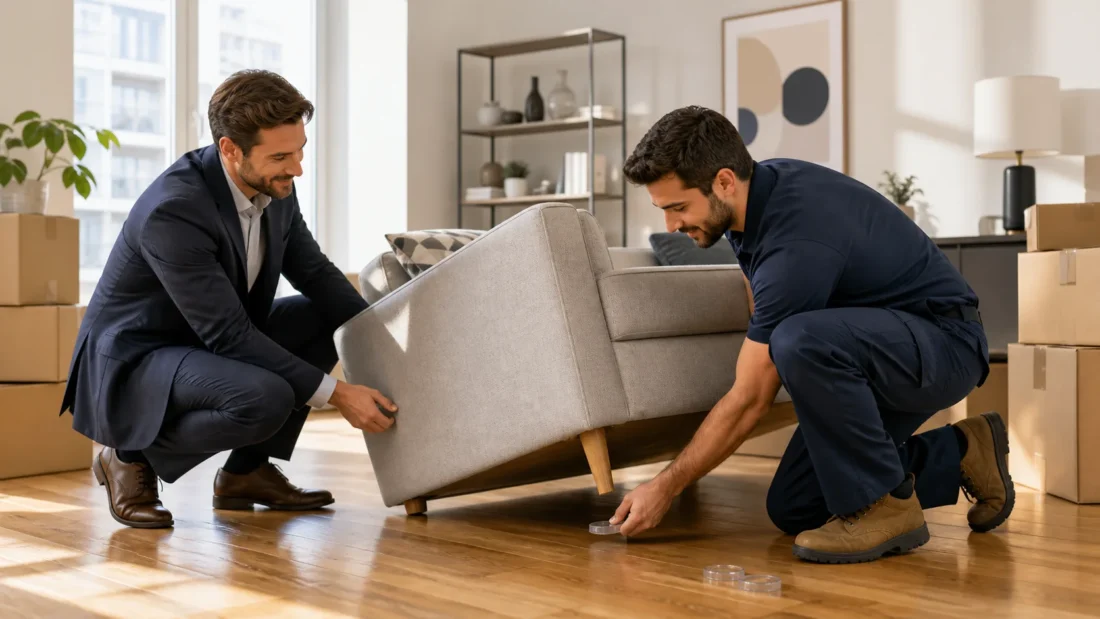
Why Floor Protectors for Furniture Matter in Rental Homes
Why Floor Protectors Matter in Rental Homes
Floor protectors for furniture might look like small things, but they can save renters from big headaches. One deep scratch in hardwood, one dent from a sofa leg, or one stained patch under a desk chair can suddenly become a problem at move-out time. When people are rushing during fall move-ins and move-outs, heavy pieces get dragged, pushed, and bumped, and that is when damage often happens.
Landlords are paying closer attention to floors now. Many will happily keep part of a security deposit if they see marks they think were preventable. Simple tools like floor protectors for furniture let us live the way we want, move things around, and still keep floors in good shape. That is exactly what we focus on at Slipstick, with furniture feet and Gorilla-branded protectors made to protect surfaces and keep furniture steady.
Hidden Costs of Floor Damage in Rental Homes
Most renters do not plan to damage floors. It is the little things that sneak up on us. Daily use can leave a trail of marks that only become obvious when the room is empty and the lights are bright for inspection.
Common rental floor problems include:
- Gouges from bed frames or metal legs
- Scratches from dining chairs sliding in and out
- Dents under heavy couches and bookshelves
- Scuffs from office chairs rolling all day
Hardwood, laminate, and luxury vinyl plank all show this kind of damage clearly. A few small marks may not seem like a big deal, but they add up over a full lease. By the time cooler October weather hits, people are spending more time inside, hosting dinners, working from home more, and dragging chairs around even more often.
That repeated friction can wear away finish, flatten soft flooring, and leave shiny or dull spots. At move-out, those areas stand out. Landlords may bring in cleaning or repair crews, then pass those costs on as deposit deductions. Protecting the floor at the start is much easier than arguing about damage at the end.
Why Floor Protectors for Furniture Are So Helpful
Floor protectors for furniture are simple parts that fit under or around furniture legs and bases. They create a safer contact point between your furniture and the floor. Different types handle different jobs:
- Feet and caps that cover sharp or rough legs
- Pads that cushion contact points and soften impact
- Grippers that stop furniture from slipping or drifting
- Sliders that let heavy items glide across floors with far less risk
- Wheels and casters that roll smoothly without scuffing
When protectors are well designed, they stay put and work quietly in the background. Slipstick Gorilla-branded protectors are built to grip the furniture, spread out the weight, and avoid marking floors when used correctly. That helps keep dents from forming under heavy beds or sofas and cuts down on those half-moon chair scratches around the table.
There are nice bonus perks too. Protected legs make less noise, so chairs do not screech across hard floors and rolling desks do not rattle as much. Rearranging furniture for a new season or holiday gathering becomes easier. And when a landlord sees clean, well-kept floors, it sets a more positive tone during any inspection or walk-through.
Choosing the Right Protectors for Your Rental Floors
Not all floors need the same kind of help. The right floor protectors for furniture depend on the surface and the furniture itself.
For different floor types:
- Carpet: Grippers under beds and sofas help stop sliding or dips in thick pile.
- Tile: Smooth glides or sliders keep legs out of grout lines and prevent chipping.
- Hardwood and laminate: Non-marking pads and caps reduce scratches and noise.
- Vinyl and LVP: Soft, stable feet spread out weight and reduce dents or cut marks.
- Concrete in garages or basements: Sturdy feet and wheels handle rougher surfaces.
Then think about what each piece of furniture does:
- Beds and sofas are heavy, so they need stable, grippy protectors that keep them from moving and sinking.
- Dining chairs and bar stools move often, so they need smooth glides that slide without scraping.
- Home office chairs should have floor-safe casters, not hard wheels that bite into flooring.
It also helps to:
- Measure furniture legs, bases, or frame tubes so protectors fit snugly
- Check your lease for any rules about floor care or furniture pads
- Pick non-marking materials that are made to sit on your kind of floor
- Choose protectors that are simple to remove when it is time to move out
Taking a few minutes to match the right product to each surface gives better protection with less hassle later.
Simple Setup Tips for Move-Ins and Move-Outs
The best time to add floor protectors for furniture is right when you move in, before your place fills up. When rooms are still open, you can see where things will go and protect high-traffic areas right away.
A basic move-in setup can look like this:
- Wipe dust or grit off furniture feet so pads and caps stick well
- Pick the correct size and style for each leg or base
- Press or screw protectors on firmly so they do not wobble
- Test each piece by gently sliding or rocking it to check stability
Later in the season, when you are rearranging or decluttering for holidays, sliders and risers are helpful. Sliders under heavy cabinets or sectionals let you shift them for cleaning without scratching. Bed risers can create more storage space without grinding the legs into the floor. Wheels on certain pieces, like small carts, make it easier to move things for gatherings or cleaning days.
When it is time to move out, good protectors are usually easy to remove by hand. If you see a bit of residue, a soft cloth with a floor-safe cleaner usually clears it away. Giving floors a careful sweep, then a quick wipe where furniture used to sit, helps leave the space looking photo-ready for that final inspection.
FAQ
Do Floor Protectors Really Prevent Deposit Deductions?
Yes, they greatly reduce the chance of fresh scratches, dents, and scuffs that often lead to deposit deductions. They will not repair damage that was there before you moved in, but they show you took care of the floors, which can help if questions come up later.
2. Will Protectors Work on Carpet and Hard Floors?
Some protectors are made to grip carpet and keep beds or sofas from shifting. Others are designed to glide smoothly on wood, tile, or vinyl. Many renters use a mix, like grippers in carpeted bedrooms and non-marking pads or glides in living rooms and kitchens.
3. Can Floor Protectors Damage or Stain My Floors Over Time?
Low-quality pads can sometimes leave marks or flatten out and stop working well. Higher quality options, like Slipstick Gorilla-branded protectors, are engineered to be non-marking and floor-safe when used as directed, even when they stay in place for long periods.
4. How Often Should I Replace My Furniture Floor Protectors?
Take a quick look every few months or after you move furniture. Replace protectors that are worn down, cracked, peeling, or not sticking firmly. In a normal rental, good protectors often last through the whole lease.
5. Are Floor Protectors Hard to Remove When I Move Out?
Well-designed protectors usually peel or pop off by hand without tools. If there is any light residue, it tends to wipe off with a gentle cleaner and a soft cloth, leaving the floors ready for your landlord to inspect.
Protect Your Floors And Furniture With A Simple Upgrade
If you are ready to stop worrying about scratches and scuffs every time a chair moves, our floor protectors for furniture make it easy to safeguard your floors. We design each solution to grip securely, glide smoothly, and stand up to everyday use in busy homes and workplaces. Explore the options that fit your furniture and flooring, and if you have questions about which style is best, just contact us so we can help you choose the right Slipstick products.