
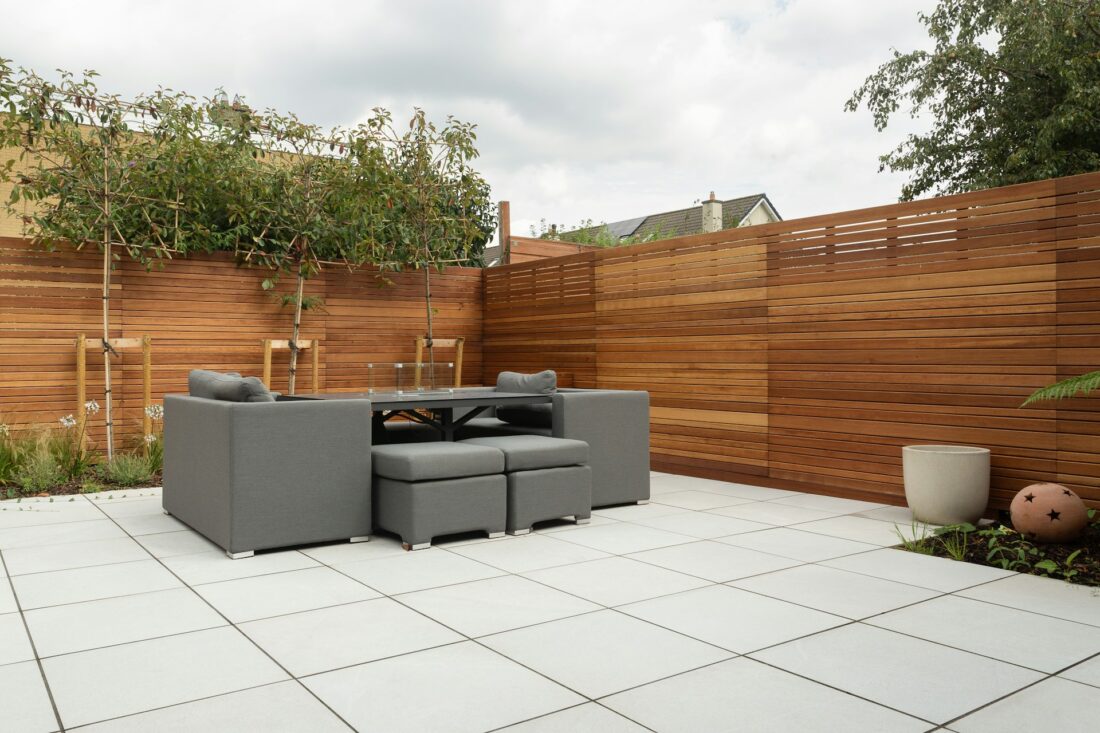
Outdoor Furniture Cover Materials: Wicker vs. Teak vs. Metal
Protect Your Patio Investment All Year Long
Outdoor furniture works the hardest at the end of summer and the start of fall. The sun is still strong, storms roll through, and temperatures bounce from hot afternoons to cool nights. That mix can be rough on chair legs, table bases, and the surfaces they sit on.
Without the right outdoor furniture protectors, small problems sneak in fast. Feet can trap water on wood, concrete, or composite decks. Metal can leave rust rings. Wicker and wood can soak up moisture, grow mildew at the contact point, or start to wobble. In this guide, we will walk through how to choose the right protectors for wicker, teak and other woods, and metal so your patio stays stable, safer, and looking fresh through every season.
What Outdoor Furniture Protectors Actually Do
Outdoor furniture protectors are the small parts that do a big job. These include feet, caps, glides, risers, and even wheels that sit between your furniture and the ground. They protect both the furniture and the surface underneath.
Good protectors help with things like:
- Preventing scratches, scuffs, and dents on decks and patios
- Cutting down on rust marks and water stains after rain
- Improving grip on slick tile or sealed concrete
- Stopping chair legs from sinking into grass, gravel, or soft ground
When we design outdoor furniture protectors at Slipstick, we pay close attention to a few key performance points:
- UV stability so the material does not crack or fade in strong sun
- Water and mildew resistance so moisture does not soak in and sit
- Temperature tolerance so protectors stay flexible in heat and cold
- Correct fit for round, square, tapered, or hollow legs
When these pieces are chosen well, your furniture is easier to move when you want and stays put when you do not.
Best Protectors for Wicker and Rattan Furniture
Wicker and rattan furniture can be tricky. Frames are often light and a little flexible, with slim or rounded legs. That small contact point can dig into wood decking or pavers, leaving dents and shiny spots. Natural fibers and some resins can also hold moisture where the leg touches the ground.
For wicker and rattan, look for protectors that:
- Have a soft but tough glide or cap that spreads weight over a larger area
- Are made from rust-proof materials that will not stain your deck
- Use a sealed design so water does not wick up into the leg
Fit matters a lot here. Many wicker and rattan pieces have:
- Tapered feet that are wider at the top and narrow at the bottom
- Slightly rounded or irregular shapes
Use a ruler to measure near the bottom of the leg where the protector will sit. You want a snug, form-fitting cap, not a loose one that can twist around or collect puddles inside. In full sun areas, especially on patios that get hot afternoons, UV-stable protectors on resin wicker help keep the material from hardening or cracking at the base.
Choosing Protectors for Teak and Other Wood Furniture
Teak and other hardwoods are popular outdoors because they feel warm, solid, and classic. Teak has natural oils that help guard against the weather, but the leg bottoms still soak up standing water. That can speed up graying, roughen the grain, and leave dark stains on concrete, stone, or deck boards.
For teak and other wood furniture, we usually suggest:
- Non-marking glides with a bit of cushion for delicate deck coatings
- Corrosion-free fasteners or strong adhesive options so metal parts do not rust at the joint
- Designs that let water drain and air move instead of sealing wet wood in a tight cup
Wood also swells and shrinks with humidity and temperature. To keep protectors snug through humid summers and wet fall weather:
- Measure when the wood is dry, but leave just a little room for swell
- Check that protectors do not pinch so hard that they split the leg
- Avoid deep cups that collect wet leaves, dirt, and water around the bottom of the leg
A low-profile glide that protects the contact point, does not mark, and lets water run off the sides is usually a smart match for wood furniture.
Metal Furniture Feet That Resist Rust and Stains
Metal tables and chairs are often strong but can be tough on patios. Many have hollow tube legs that can rust from the inside if water gets in. The paint or finish tends to chip first at the contact point, where sharp edges can gouge deck boards or leave orange rust rings after rain.
For metal furniture, we like protector styles that:
- Use heavy-duty caps made for tubular legs
- Offer high-grip feet for slick tile or sealed concrete
- Include risers or wheels for heavy dining sets and grills that still need to move sometimes
Weather protection is key for metal. Closed-end caps that fully block water from entering the tube help prevent rust from forming inside the leg. To get the fit right:
- Measure the outside diameter of the leg if you want an outside-fit cap
- Measure the inside diameter if the cap is designed to plug into the tube
Look for UV-stable materials that will not dry out, crack, or crumble after long sun exposure. If the cap breaks down, water and dirt get in fast and problems start again.
Matching Protectors to Surfaces and Seasons
The best outdoor furniture protectors are matched not just to what the furniture is made of, but also to where it sits and how the weather acts in your area. At Slipstick, we see a big difference between wood decks, stone patios, and softer surfaces.
Here are some general pairings that tend to work well:
- Wood decks: Non-marking, cushioned glides or caps that spread weight and protect stains or sealers
- Composite boards: Smooth, stain-safe feet with good grip so chairs do not skate across the surface
- Natural stone and concrete: Tough, water-resistant protectors that will not chip edges or leave rust marks
- Outdoor tile: High-grip materials that cut down on sliding, especially when the tile is wet
- Grass or gravel: Larger feet or risers that keep legs from sinking into the ground
Seasonal timing matters too. Late summer and fall often mean heavier rain, more wind, and more temperature swings. Many people shift seating around heaters or fire pits and then leave pieces in place through winter. Before that happens, it helps to:
- Identify the furniture material and leg shape
- Note the surface type and whether it slopes or has gaps
- Decide where you want firm grip and where you still need some slide
- Choose protectors that balance UV, rain, mildew resistance, and easy installation
A quick check and upgrade now can save your deck and furniture from a lot of winter damage.
FAQ About Outdoor Furniture Protectors
1) Do I really need protectors if my furniture is labeled “outdoor safe”?
Yes. “Outdoor safe” usually refers to how the furniture itself handles sun and rain. It does not say much about how the legs treat your deck or patio. Protectors add a buffer that helps prevent scratching, staining, rust rings, and wobbling.
2) How do I measure furniture legs to get the right fit?
Use a ruler or caliper and measure where the protector will sit. For round legs, measure the diameter. For square or rectangular legs, measure width and depth. For metal tubes, measure both outside and inside diameters if you can so you know whether you need an inside-fit or outside-fit cap.
3) Will protectors trap water and cause rot or rust?
Poorly designed protectors can hold water around the leg. Quality products use non-absorbing materials and shapes that let water shed instead of pooling. Closed-end caps are helpful for metal tubes, while wood and wicker do better with designs that let air move around the contact point.
4) Can I use the same protector type for wicker, teak, and metal furniture?
Sometimes, but it is not always the best choice. Universal styles exist, but performance usually improves when you match to both material and leg shape. Wood often likes cushioned, non-marking glides, metal needs sealed caps for tubes, and wicker does best with stable, form-fitting caps that keep lightweight frames from shifting.
5) How often should I replace outdoor furniture protectors?
Give them a quick look at the start and end of each season. If you see cracks, flattening, hardening, or a loose fit, it is time to replace them. In areas with strong sun and frequent rain, high-use pieces may need fresh protectors every few years to keep everything stable, quiet, and protected.
Protect Your Outdoor Furniture and Enjoy Stress-Free Entertaining
Keep your patio setup looking great and easy to move with Slipstick’s outdoor furniture protectors designed to handle real-life weather and everyday use. Our solutions help prevent scratches, scuffs, and frustrating snags so you can rearrange your space whenever you like. If you have questions or need help choosing the right options for your furniture, contact us and we will guide you.