
Furniture Riser Alternatives: Sofa and Bed Leg Extenders, Bases, and Padding
Raise Low Seating Without Sacrificing Comfort
Low sofas and beds can look cozy, but they are not always friendly to knees, backs, or balance. Standing up starts to feel like a small workout, and guests or family members with limited mobility may struggle most. As more of us plan to age in place or turn spare rooms into home offices and guest spaces, getting the right height matters.
Summer is a great time to tackle these upgrades before cooler weather keeps everyone indoors more. Many people start with a basic furniture riser, since it is an easy way to lift a sofa or bed. But a furniture riser is only one option. There are also leg extenders, taller replacement feet, platform bases, and cushioning tricks that can work better, depending on your room.
When we choose between these options, we usually think about four things: safety and stability, comfort for sitting and sleeping, floor protection for surfaces like hardwood, tile, vinyl, or carpet, and how the furniture looks in the room. The right mix can lift your seating without making your space feel awkward or risky to use.
When Furniture Risers Make Sense and When They Do Not
A furniture riser is a block or cup that sits under each furniture leg to raise the whole piece. Common risers come in heights from about one to several inches and are often made from plastic, wood, or metal. They are helpful when you want a quick, temporary boost, like in a dorm, rental, guest room, or for seasonal rearranging to squeeze in extra storage bins.
Risers have some clear perks:
- Fast height change with no tools
- Easy to remove if you move or rearrange
- Good for short-term or trial changes
But they are not perfect for every sofa or bed. Risers can wobble on uneven floors or thick carpet. Flared or angled legs may not sit neatly in the cup. Some people dislike the bulky look or worry about stubbing toes on the corners. If the riser does not have a non-slip or padded bottom, it can also mark or dent floors, especially hardwood or vinyl.
Here is a quick way to tell if you should look beyond risers:
- You want a permanent, built-in look
- You need strong stability for seniors or kids
- You want easier under-sofa access for cleaning before holiday gatherings
- You have tricky legs, like curves, tapers, or wheels
If any of those ring true, it might be time to think about leg extenders, taller feet, or a new base instead of a standard riser set.
Leg Extenders and Taller Feet for a Built-in Look
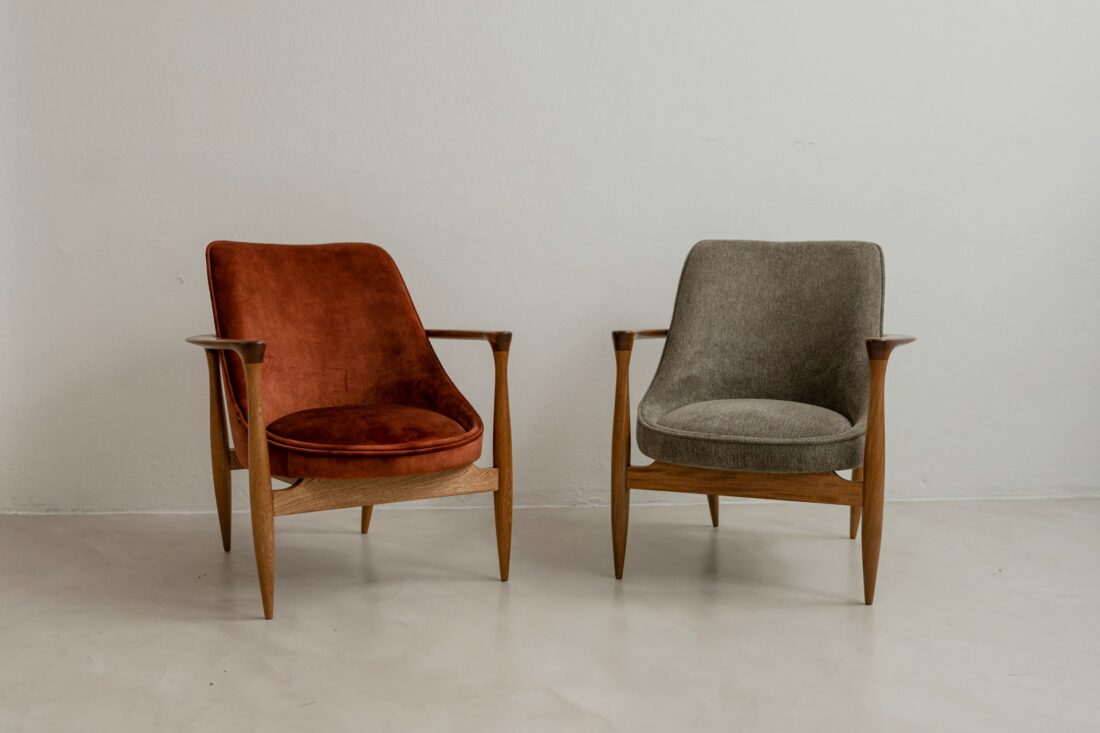
Leg extenders and taller replacement feet attach directly to the legs of your sofa or bed. Instead of placing the leg in a separate furniture riser, you are swapping or extending the leg itself. The result looks more like the furniture was made that way from the start.
Because the extension is close to the original leg, the center of gravity stays lower compared to tall risers. That usually means:
- Less side-to-side wobble
- A more natural feel when you sit down or stand up
- Better safety for people who rely heavily on the armrests to push up
On slick surfaces like hardwood, tile, or laminate, adding non-slip pads or gripper cups under those taller feet can make a big difference. The furniture stays put when someone sits, instead of sliding back.
Style matters too. Many people want the new feet to match the design of the piece. You can choose:
- Similar color or wood tone
- A leg shape that fits the style of the room
- Rubberized or padded bottoms to shield floors from scratches or dents
For comfort, a small change often goes a long way. Raising a sofa or bed just one to three inches can make daily use much easier without making it feel like you are climbing onto a stage.
Platform Bases and Under-Frame Solutions for Beds
For beds, another option is to lift the whole frame, not just the legs. Platform bases, slatted bases, and under-frame lift systems sit under the existing bed frame or replace it entirely. Instead of balancing weight on a few small points, these solutions spread the weight across a broader base.
The benefits are easy to feel:
- Maximum stability with less shake and sway
- Even support across the mattress area
- More predictable under-bed storage space
- Fewer creaks since there are fewer pressure points
These options pair well with modern mattresses and are a nice way to refresh a guest room before summer visitors arrive. The bed ends up higher, easier to make, and simpler for guests to use.
There are trade-offs. A platform base is more permanent than a basic furniture riser. It can be heavier and harder to move, and often you need to partially disassemble the bed frame to install it. On delicate floors like hardwood or laminate, it is important to have floor-safe feet or caster cups under the base so the extra weight does not leave marks.
Cushioning, Casters, and Sliders for Height and Mobility
Not every height fix has to touch the frame. Sometimes changing the cushions or mattress is enough. Thicker seat cushions, firm seat wedges, mattress toppers, or angled bed wedges can raise the sitting or sleeping surface a bit and improve body position without adding anything under the legs.
These work well when:
- You only need a small lift
- The current seat feels too soft or saggy
- You want better back support more than big height gains
Casters and furniture wheels are another path. Swapping standard feet for locking wheels can add height and make it easier to move heavy sofas or beds for cleaning. On hard floors, it is important to choose soft-tread or rubber wheels that are kinder to surfaces. Protective cups or gripper pads under the wheels can keep them from rolling when you do not want them to.
Glides and sliders are helpful when you like the current height but need to move pieces around for AC vents, heaters, or seasonal layouts. Low-friction sliders sit under each leg so you can shift the sofa or bed without scraping the floor. They do not add much height, but they protect surfaces and cut down on heavy lifting.
Matching the Right Solution to Your Space
Choosing the right alternative to a furniture riser comes down to your space, your body, and your floors. One simple way to start is to test your ideal height. Fold a firm blanket or stack some folded towels under the front and back legs, sit or lie down, and see how it feels. Small changes can be surprisingly helpful.
As a quick guide:
- Taller legs or replacement feet work well for a permanent, clean look
- Platform bases shine when you want lots of stability and storage under the bed
- Cushioning changes are great for small boosts and better ergonomics
- Traditional risers still fit short-term needs or simple storage goals
Always check your furniture legs, too. Note if they are straight, angled, round, or square, and how many there are. Compare that with the weight ratings on any product you consider. On hard floors like hardwood, tile, or vinyl, slip resistance and padding matter. On low-pile carpet, wider supports help prevent sinking.
At Slipstick, we focus on floor-friendly, non-slip solutions that protect surfaces while keeping furniture steady. Whether you are lifting a low sofa in the living room or refreshing a guest bed for the season, choosing stable, well-designed parts helps your furniture feel safer and more comfortable for years.
FAQ: Smart Alternatives to Furniture Risers
1) Are furniture risers safe for heavy sofas and beds?
Yes, they can be safe when they are high quality, correctly sized for the legs, and used within their weight rating. For very heavy pieces or furniture that gets constant use, many people prefer leg extenders, taller feet, or a full platform base for extra stability and peace of mind.
2) How much extra height should I add to a low sofa or bed?
Most people find that one to three inches is enough to make sitting and standing much easier. Once you go higher than about four inches, the furniture can feel a bit awkward unless the whole frame is raised evenly, as with a platform or under-frame solution.
3) What is the best option for seniors with mobility issues?
Leg extenders or taller replacement feet paired with firm, supportive cushions are often a smart choice. They give helpful lift without raising the furniture so high that it feels top-heavy, which can make stand-up transfers feel safer and more controlled.
4) Will raising my furniture damage hardwood or vinyl floors?
It can if the new legs, risers, wheels, or glides do not have protective pads. To protect your floors, use products with non-marking rubber, felt, or purpose-made floor protectors, and avoid bare plastic or metal resting directly on hard surfaces.
5) What if my sofa or bed legs are odd-shaped or angled?
Traditional furniture risers may not hold those legs securely. In that case, universal gripper cups, adjustable leg extenders, or a full platform that supports the frame instead of clamping to the legs can be safer and more stable choices.
Elevate Your Furniture Safely And Effortlessly
Upgrade the comfort and accessibility of your home with a reliable furniture riser designed to protect floors and stabilize every piece. At Slipstick, we design our products to be simple to install, secure in daily use, and tailored to real-life needs. If you have questions about sizing, weight limits, or the best option for your space, contact us and we will help you choose with confidence.