
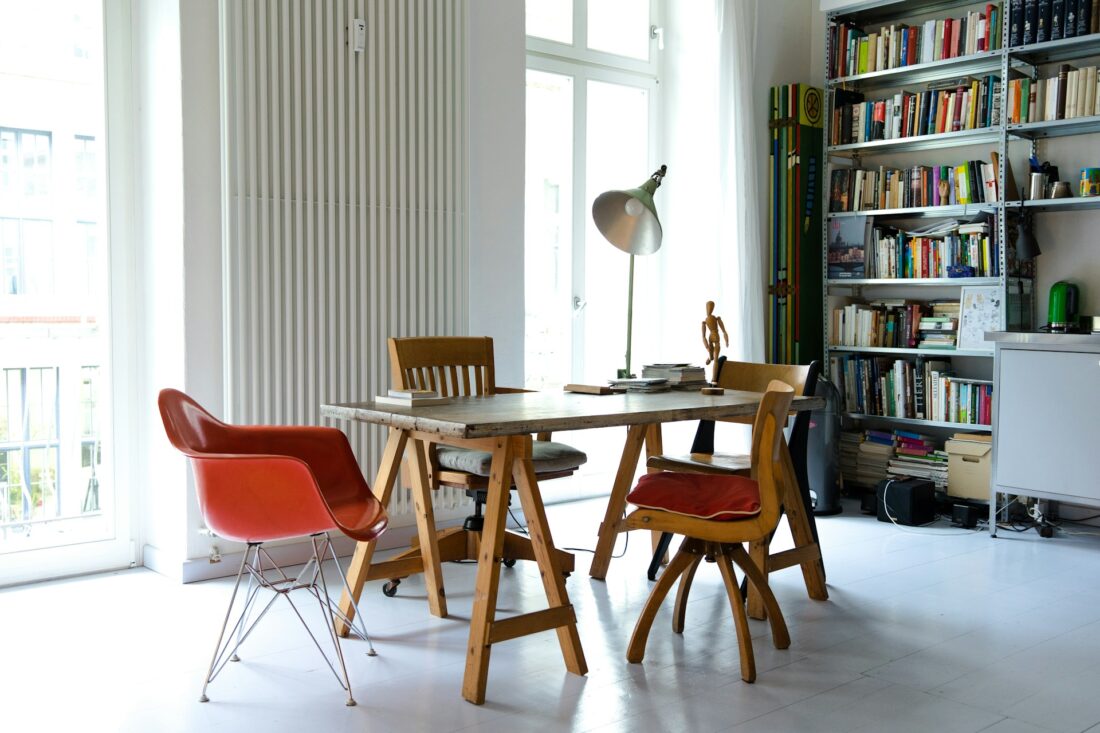
Chair Leg Floor Protectors for Open-Plan Homes: Reduce Scrape Noise
Quiet Comfort in Open-Plan Living
Chair scrape noise has a way of taking over an open-plan home. One chair drags across tile or wood, and suddenly it echoes from the kitchen to the living room and down the hall. When you add kids, pets, and guests, it can feel like the whole house is made of one big speaker.
We design furniture floor protection every day, so we see how much calmer a space feels when chair legs stop squeaking, scraping, and vibrating. Chair leg floor protectors give you a simple, nearly invisible layer between your furniture and the floor. They soften sound, control vibration, and guard your surfaces on hardwood, tile, vinyl, laminate, and even low-pile carpet, all without changing the look of your chairs.
Why Open-Plan Rooms Are So Loud
Open-plan layouts are great for family life, but they are tough on acoustics. Sound has fewer walls and doors to stop it, so it bounces around. Hard floors, big windows, and tall ceilings all reflect sound instead of soaking it up, so simple chair movement gets amplified.
Scrape noise from chairs actually has two parts:
- The sharp contact of the chair leg hitting or dragging across the floor
- The vibration that travels down into the subfloor and out into nearby rooms
This is why a single bar stool sliding at the kitchen island can be heard in the living area, and sometimes even in rooms above or below. Mixed flooring makes it more confusing, such as when:
- The dining area is on wood
- The kitchen is on tile
- The entry is on vinyl
you get different sounds and different levels of drag from the same set of chairs. Some spots feel sticky and loud, others feel slippery and shaky.
Summer and holiday seasons can make all of this feel louder. Kids home from school, friends dropping by, doors to the yard opening and closing, chairs constantly pulled in and out; it all adds up. Those scrapes are not just annoying, they can also mark your floors over time.
How Chair Leg Floor Protectors Cut Scrape Noise
Chair leg floor protectors work by changing the way the leg meets the floor. Instead of a hard surface hitting another hard surface, you get a softer, engineered contact layer that absorbs impact and spreads out the pressure.
In simple terms, they help by:
- Creating a cushion that softens each movement
- Reducing friction so chairs glide instead of jerk and drag
- Damping vibration before it can travel through the floorboards
There are a few common styles:
- Self-stick pads that go on the bottom of each leg
- Rubber feet that grip and protect without leaving marks
- Caps that fit over the leg, covering rough or uneven ends
- Glides and small wheels made for controlled, smooth movement
Quality matters a lot here. Materials like non-marking rubber, sturdy plastic bases, and built-in cushioning make movement smoother and quieter without feeling loose or unsafe. Some designs include small integrated studs or special shapes that keep the protector fixed in place while the outer layer absorbs the motion.
In an open-plan home, the results are easy to feel. Meals are less full of scraping and clattering. Chairs can be pulled in and out while someone else is on a work call or a video chat a few steps away. Vibration is softened, so noise in the kitchen does not feel as intense in the living area.
Matching Protectors to Mixed Floors in One Space
One of the biggest challenges in open-plan living is dealing with more than one flooring type in the same sightline. Choosing the right chair leg floor protectors for each surface makes a big difference.
For wood, laminate, and vinyl, you usually want:
- A soft, non-marking contact layer
- Enough grip to prevent sudden slips
- Smooth, gentle glide for daily use
Protectors designed for these floors help prevent scuffs, dents, and dull patches from constant chair movement.
Tile and stone can be trickier. Grout lines, raised edges, and polished surfaces can cause wobble and harsh clatter. In these areas, gripper-style feet or caps with a slightly softer rubber work well. They help the chair feel stable, reduce the knocking sound when a leg drops into a grout line, and cut down on that hard clink when you push the chair in.
If you have rugs mixed with hard floors in one room, think about:
- Dual-purpose glides that slide softly on hard floors but do not catch on rug edges
- Small wheels that roll easily on low-pile rugs and still feel quiet on smooth surfaces
Before choosing any protector, it helps to quickly check:
- The shape of the chair leg (round, square, angled)
- The leg diameter or width
- How heavy the chair is and how often it moves
Chairs pulled in and out many times each day need a protector that balances glide and grip. Chairs that mostly stay in place near a wall or window may need more grip and less movement.
Summer Hosting Without the Clatter
Warm weather tends to turn an open-plan home into a busy path. People move in and out from the yard, kids race from the living room to the kitchen, and dining chairs scrape back and forth for snacks, crafts, and long meals.
Chair leg floor protectors help calm all of that background noise. They support:
- Early-morning coffee at the kitchen table while others are still sleeping
- Late-night gatherings where chairs move often, but you want calmer sound
- Remote work calls that share space with family life just a few steps away
If you are not sure where to start, focus on the noisiest furniture first:
- Dining chairs in the center of the space
- Bar stools at the island or breakfast bar
- Kitchen table chairs where kids sit and move the most
- Accent chairs that guests drag over for extra seating
You can also pair chair leg protectors with area rugs and furniture grippers or sliders under heavier pieces. This helps create a full acoustic and vibration control plan, so the main walkways, seating zones, and play areas all feel softer and more controlled before guests arrive.
Simple Steps to Install and Maintain Protectors
A little prep makes chair leg floor protectors last longer and work better. Before installing, we suggest:
- Wiping dust and dirt from the bottom of each leg
- Checking for old pads, staples, or rough edges
- Making sure everything is dry so adhesives or caps can grab properly
Installation is usually simple:
- Stick-on pads press onto a clean, flat leg bottom
- Slip-on caps push or stretch over the end of the leg
- Screw-in glides attach into a small pilot hole in the leg base
- Wheels often slot into existing fittings or simple mounts
After you install, move each chair a few times. Listen for the change in sound and feel for smoother motion. If a chair feels too slippery or too grippy, you may need a different style of protector for that spot.
For maintenance, a quick seasonal check works well:
- Look for pads that are flattened, uneven, or peeling
- Replace any pieces that feel rough or look worn through
- Adjust or change styles if your flooring or layout changes
Good protectors help you avoid floor repairs and keep both furniture and flooring in better shape over time, especially in busy open-plan spaces.
Frequently Asked Questions About Chair Leg Floor Protectors
1) Do chair leg floor protectors really reduce noise in open-plan homes?
Yes. A quality protector creates a small cushioning layer between the chair leg and the floor. This soft layer cuts sharp impact, lowers friction, and absorbs some vibration before it reaches the rest of the room, which helps open spaces feel quieter.
2) Which chair leg floor protectors work best on hardwood and laminate?
Non-marking rubber or felt-style protectors made for hard floors are usually best. They should protect the finish, allow smooth motion, and offer enough grip so chairs do not slide away too easily when someone sits down or stands up.
3) Will protectors help if I have both rugs and hard floors in one room?
Yes. Many open-plan homes use glides or caps that move softly over hard floors but do not snag or bunch area rugs. Chairs that cross floor transitions often do well with low-friction glides or small, well-designed wheels.
4) How often should I replace chair leg floor protectors?
It depends on how often the chairs move, the kind of floor, and the material of the protector. As a general habit, checking every three to six months works well. If you see flattening, cracks, or bare spots, it is time for a new set.
5) Can I use the same protectors on bar stools and dining chairs?
Often you can, as long as the size and weight rating match each leg and the flooring under them. Bar stools may need a little more grip for stability, especially on tile or stone, while dining chairs often benefit from a smoother glide for daily use.
Protect Your Floors And Furniture With A Simple Upgrade
Extend the life of your floors and keep your chairs gliding smoothly by upgrading to our chair leg floor protectors. At Slipstick, we design solutions that stay put, look clean, and protect against scratches, scuffs, and noise. Explore the options that best fit your space, and if you need help choosing the right fit for your furniture, please contact us.