
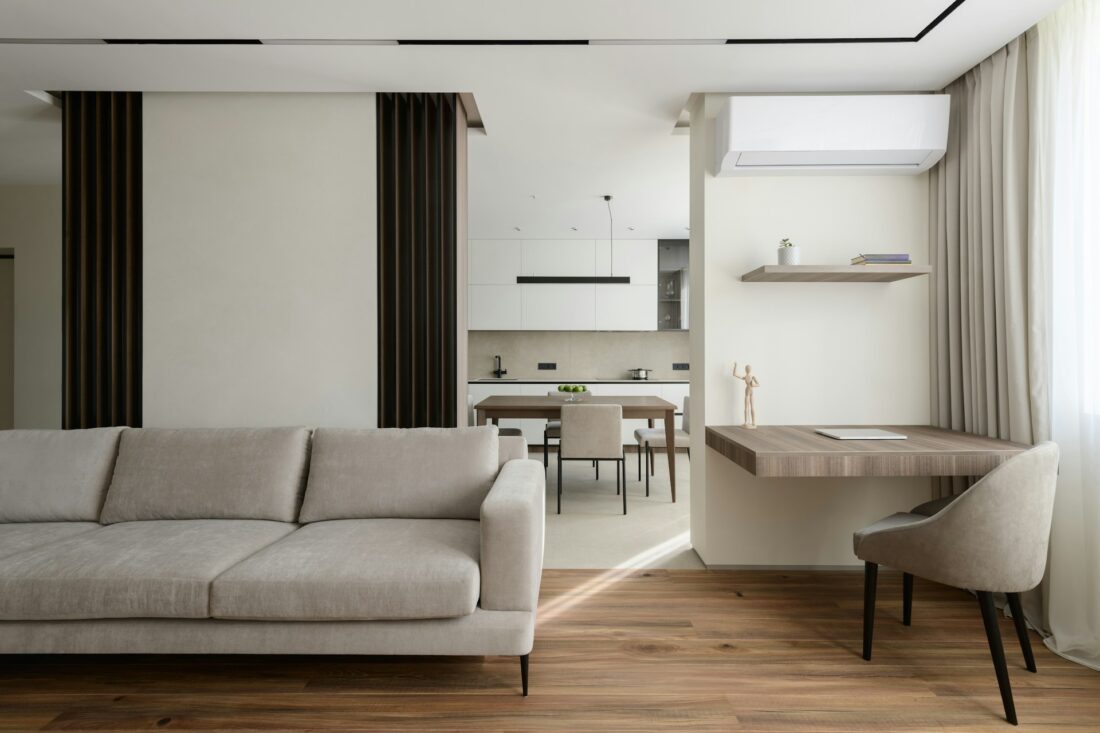
Selecting Floor Protectors for Furniture in Multi-Surface Homes
Protect Every Floor in Your Multi-Surface Home
Choosing floor protectors for furniture gets tricky when your home has more than one type of flooring. Hardwood in the living room, tile in the kitchen, vinyl down the hall, a big rug in the family room, and a deck outside all respond differently when furniture moves, scrapes, or sinks in. The wrong protector can still leave scratches, dents, wobble, or noise.
Many people see this the hard way. New wood floors get marked from dining chairs, luxury vinyl planks show little dents under bed posts, stools clatter across tile, and patio chairs slide every time someone sits down. Add busy summer days, kids home from school, and extra guests, and furniture gets dragged around even more.
With the right mix of floor protectors for furniture, you can calm all of that. Good protectors help stop damage, cut down on noise, and keep chairs, beds, and tables stable on every surface, inside and out. At Slipstick, that is exactly what we design our products to do.
Know Your Floors Before You Shop
Before you pick any protector, it helps to know exactly what is under your feet. Different floors need different types of support, grip, and cushioning.
Common home surfaces include:
- Solid hardwood or engineered wood
- Laminate planks
- Vinyl and luxury vinyl plank (LVP)
- Tile or stone
- Rugs and wall-to-wall carpet
- Outdoor decks, pavers, and concrete patios
Each one behaves its own way under furniture:
- Hardwood and laminate can scratch from grit or sharp leg edges. Even light chairs can leave marks if they grind dirt into the finish.
- Vinyl and LVP are softer. Heavy beds, sectionals, or cabinets can leave dents or even cause discoloration if the pressure is too focused.
- Tile and stone are very hard and often slick. Furniture can slide too easily and make a loud scraping sound on every move.
- Rugs and carpet have give. Narrow legs sink in, which can make tables wobble and chairs harder to slide in and out.
That is why matching the protector to the surface is so important. On softer floors like vinyl and carpet, thicker, cushioned protectors spread weight and help prevent dents. On slick tile, non-slip grippers help keep chairs and tables from skating around. Outside, on decks and pavers, protectors must handle heat, humidity, and rain without cracking, sticking, or staining. Our Gorilla-branded outdoor protectors are built with those conditions in mind.
Match Floor Protectors to Furniture and Use
The right choice is not just about the floor; it is also about the furniture itself and how often it moves.
Dining chairs and barstools need:
- Low-profile pads or glides that move smoothly
- Quiet action when pushed back or pulled in
- Safe contact with hard floors without catching on rug edges
Sofas, beds, and heavy cabinets do better with larger protectors or risers that spread out the load. This helps protect vinyl, LVP, and carpet from those deep dents that stay behind even after you move the furniture. It also keeps big pieces from slowly creeping across the room.
Desks and office chairs need special attention. Office chairs with the wrong wheels can chew up hardwood or leave grooves in softer floors. Hard-floor-safe casters or protective glides let you roll and shift your chair without rough tracks under your desk.
Movement frequency matters too:
- Frequently moved pieces like chairs, ottomans, and playroom furniture do best with durable, slide-friendly protectors that can handle daily motion.
- Mostly stationary pieces like bookcases, dressers, and media units need strong, grippy protectors that help stop drifting and tipping.
If one item crosses different surfaces, for example a chair that moves from a rug to hardwood to tile, look for a protector that stays quiet and safe on all of them. At Slipstick, we design many protectors to handle these multi-surface paths so you are not swapping pads every time you rearrange.
Smart Solutions for Mixed and Seasonal Spaces
Open-plan homes often mix surfaces in the same area. You might have hardwood with a big rug in the living room, tile in the kitchen, and a hallway that blends vinyl with runners. Each zone around that space can benefit from a slightly different approach.
Think about “zoning” your protection:
- Use non-slip grippers under furniture that stays fully on slick tile or sealed wood.
- Choose sliders or low-friction pads where furniture crosses from rugs onto hard floors so chair legs do not snag or tear fibers.
- Add a good under-rug pad, then pair it with furniture grippers to keep both the rug and the furniture from slowly creeping.
Seasonal use matters as well, especially in summer. Patio sets, outdoor lounges, and balcony furniture get more action when the weather is warm. Outdoor protectors should be weather-resistant, so they do not crack from sun, swell in humidity, or stain wet decks after a storm.
Summer also means more motion inside. Extra guests, family meals, and kids shifting chairs between rooms all put more stress on floors. It is smart to upgrade protectors in dining rooms, family rooms, and guest rooms before all the gatherings start, rather than after someone notices a scratch.
Avoid Common Mistakes When Choosing Protectors
A lot of floor damage happens even when people are trying to protect their floors. The mistake is usually in the details.
Watch out for undersized protectors. If the pad is smaller than the bottom of the furniture leg, weight gets focused on a tiny area. This can still dent vinyl, carpet, or softer wood. It is usually better for the protector to match the leg size or be just a little larger.
Adhesive and material also matter. Low-quality pads may:
- Fall off when furniture is dragged
- Leave sticky residue on floors
- Discolor wood or vinyl surfaces over time
Performance errors are common too:
- Using slippery sliders on shiny tile can make chairs unstable and even unsafe.
- Putting soft, squishy pads under tall, narrow pieces can add wobble rather than stability.
- Sticking protectors onto dusty, dirty, or gritty legs and floors lowers grip and shortens the life of the pad.
A quick clean before you apply any protector helps a lot. Then, plan to check pads from time to time. Chairs, barstools, and entryway pieces work the hardest, especially during busy summer months, so they usually need new protectors first.
Create a Protection Plan for Every Room
The easiest way to get this right is to plan room by room. Walk through your home and note the floor type and the main furniture in each space.
For living and family rooms:
- Use non-marking pads under sofas, recliners, and TV units to keep them stable and quiet.
- Add smooth-glide protectors on coffee tables and accent chairs so you can move them without growling or scraping.
In dining and kitchen areas, make sure every chair and barstool has durable, low-profile protectors that match your main floor. This is one of the most active spots in the house, so small upgrades here can save a lot of wear on wood, tile, or vinyl.
Bedrooms and home offices often hold heavy items in one place for a long time. Beds, dressers, desks, and file cabinets all benefit from risers or heavy-duty protectors that spread the load and prevent deep dents in carpet or vinyl.
Outdoor areas, decks, and patios need protectors that handle weather. On these surfaces, good protection keeps furniture from shifting, helps prevent marks on wood or pavers, and makes seats feel more stable when someone sits down.
Before you shop, measure your furniture legs and bases and list each room’s floor types. That way you can choose the right Slipstick solutions in a single, organized purchase and feel confident that every floor is covered.
FAQs About Floor Protectors for Furniture
Q1: Do I really need different floor protectors for each surface?
A1: Yes. Hardwood, vinyl, tile, carpet, and outdoor surfaces all react differently to weight and friction. Using protectors that match each floor type gives better grip and cushioning and helps prevent scratches, dents, and slipping.
Q2: How do I choose the right size protector for my furniture legs?
A2: Measure the width or diameter of each leg or base. Pick a protector that is equal to or slightly larger so the whole bottom is covered. If the pad sticks out a little, that is usually fine, but pads that are smaller than the leg can reduce protection.
Q3: Will floor protectors leave marks or damage my floors over time?
A3: Quality protectors made from non-staining materials and matched to your floor type should not cause damage. Most problems come from poor adhesives or materials that are not made for that surface. Always clean the leg and floor area first and follow product directions.
Q4: How often should I replace my floor protectors for furniture?
A4: Check them every few months, and more often in busy rooms. Replace protectors that look flattened, worn through, cracked, or that no longer grip well. Daily-use chairs and stools usually need new pads sooner than large, stationary pieces.
Q5: Are there protectors that work on both rugs and hard floors?
A5: Yes. Some low-friction glides and well-designed pads slide smoothly on hard floors and move over rugs without catching or scratching. For furniture that crosses different surfaces, look for protectors clearly described as safe for all the floor types in your home.
Protect Your Floors And Furniture With A Simple Upgrade
Give your floors the long-term protection they deserve with our high-performance floor protectors for furniture. At Slipstick, we design solutions that help your chairs, sofas, and tables glide smoothly while preventing scuffs, scratches, and noise. If you have questions about sizing, surfaces, or installation, contact us and we will help you choose the right fit.