
Smart Ways Furniture Floor Protectors Extend Room Layout Options
Smart Ways Furniture Floor Protectors Extend Your Room Layout Options
Furniture floor protectors do much more than stop scratches. When you use them well, they open up new ways to arrange your rooms, move heavy pieces, and switch between cozy winter setups and open summer layouts without stress.
In this article, we will walk through how smart floor protection lets you push furniture closer to walls, float seating in the middle of a room, shift heavy items with ease, and even blend indoor and outdoor zones while keeping your floors looking fresh.
Rethink Your Room with More Layout Freedom
Many people feel stuck with their room layouts. Maybe the only free outlet is across the room, or the best TV spot creates a tight walkway. Maybe you just put in new floors and are nervous about dragging anything across them. Open-concept spaces can also echo or feel too bright, which makes furniture placement even trickier.
Good furniture floor protectors remove a lot of these hidden limits. When you are not worried about dents, scuffs, or slipping legs, you can try bolder ideas, like shifting the sofa to the center of the room or pulling a chair closer to the window for better light.
At Slipstick, we focus on two simple goals: protect floors and make furniture easier to live with. When you choose the right feet, grippers, sliders, risers, and wheels, your layout is no longer locked in place.
Unlock Corners and Tight Spaces Without Scuffs
Corners and narrow spots often go to waste because people are afraid of scraping paint or marking floors while they push furniture into place. With high-quality protectors, you can finally use those areas.
Here is how protectors help in tight spaces:
- Low-profile feet keep furniture close to walls without hard edges digging into baseboards
- Grippers hold pieces steady so they do not bump or rub when someone sits down
- Sliders let you ease big items into place during a spring clean or early summer refresh
This opens up simple layout ideas that make a big difference:
- Tuck a reading chair into a sunny corner without chewing up the wall
- Slide a slim storage unit beside a patio door to hold outdoor gear
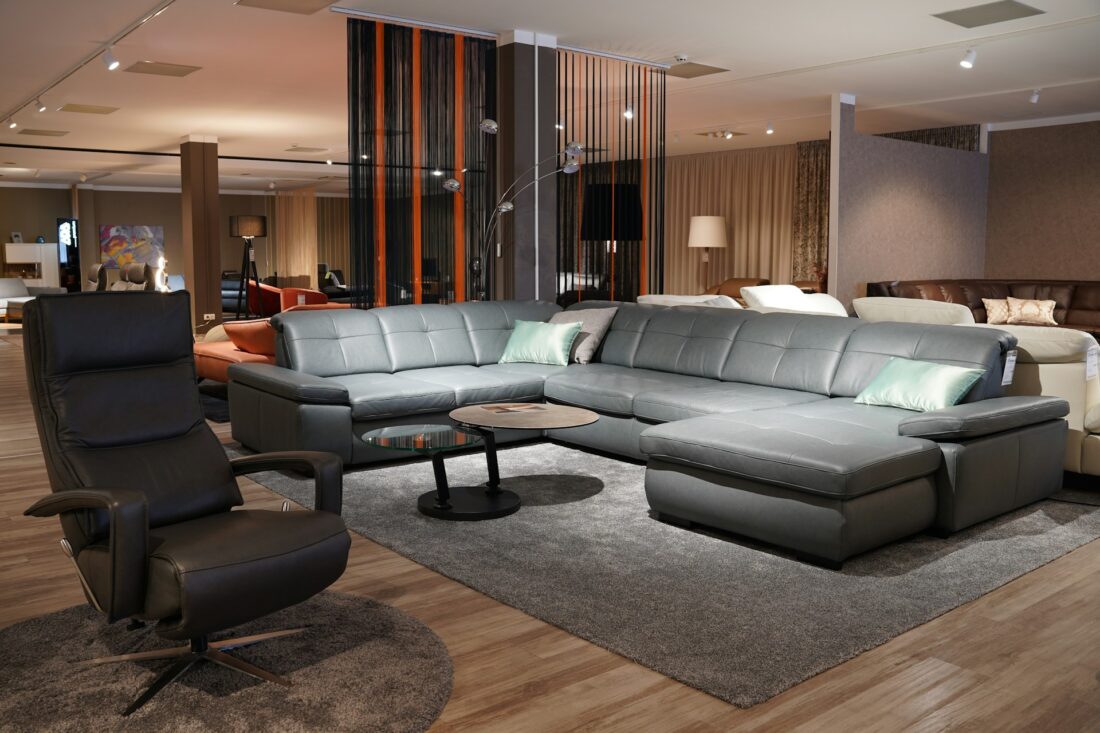
- Nestle a sectional closer to the wall so the center of the room feels open for warm weather gatherings
When moving day or deep cleaning rolls around, those same sliders let you pull pieces out, clean behind them, then glide them back without the stressful scraping sound.
Float Furniture for Flexible, Open Layouts
Floating furniture means pulling sofas, chairs, or consoles away from the walls and letting them sit more in the middle of the room. This can create a cozy chat area, define a work zone, or make a long space feel balanced.
The tricky part is that floating layouts often mean more movement. You may shift pieces when guests come over or when you swap rugs and decor with the seasons. Without the right protectors, all that sliding on hardwood, vinyl, laminate, or tile can leave marks.
Smart furniture floor protectors give you both freedom and control:
- Sliders or smooth feet let you nudge items into the perfect spot without gouging floors
- Non-slip feet keep a floating sofa from slowly drifting every time someone sits down
- Gripper pads under area rugs and coffee tables help stop creeping and bunching
- Risers bring seat heights into line so mixed pieces feel like one planned group
With these in place, you can pull the sofa forward for movie night, angle chairs toward the fireplace in cooler months, then open up the room again for summer without worrying about damage.
Make Heavy Furniture Easy to Move on Any Floor
Heavy pieces can make a room feel stuck, even when they are not in the best spot. Bookcases, buffets, large beds, or outdoor dining sets often stay where they first land because no one wants to scrape the floor or strain a back.
Cheap stick-on pads can help a little, but they often compress, peel, or leave marks. Engineered protectors are designed to spread weight, cut friction, and slide or roll smoothly across different surfaces.
Think about how this kind of mobility can change daily life:
- Pull a sofa forward for a closer TV angle, then slide it back so the room feels bigger again
- Roll a kitchen island cart toward the dining table for a brunch buffet, then tuck it away
- Shift outdoor chairs and tables to follow the shade or catch a breeze as the day warms up
When pieces can move safely, you start planning your layout around comfort and use, not around what is stuck where.
Mix Indoor and Outdoor Zones Without Floor Damage
As the weather warms, many homes start to blur the line between inside and outside. Chairs move from the living room to the patio, side tables slide near the sliding door, and planters drift back and forth.
This can be hard on floors. Metal chair legs can bite into timber decks, uneven feet can mark composite boards, and rough bases can scratch tile and wood around thresholds and door tracks.
Furniture floor protectors designed for mixed spaces help a lot:
- Slip-resistant cups spread weight and keep legs from digging into soft or damp surfaces
- Weather-resistant feet stand up to moisture and temperature changes outside
- Protective glides let you move pieces across indoor wood, tile, and vinyl without trail marks
Once your pieces are set up with the right protection, you can:
- Create a summer dining room on the patio that lines up nicely with your indoor table
- Build a sunroom-style seating area near sliding doors, where chairs slide without scratching
- Move planters, stools, and side tables in and out as needed without stressing over grooves in the floor
Choose the Right Protectors for Your Room Goals
The best furniture floor protectors depend on what you want each room to do. It helps to think in terms of goals first, then pick the right parts to match.
Common goals and good matches include:
- Maximum protection for new or soft floors: cushioned feet or cups that spread weight
- Easy gliding for frequent rearrangers: felt or specialty sliders under big pieces
- Rock-solid stability for kids’ rooms and home offices: rubberized or gripper-style feet
- Better access for cleaning: risers that give robot vacuums room to pass under
- Flexible work setups: smooth-rolling wheels for desks, carts, and storage units
Planning by room makes choices easier:
- Living room: mix sliders under sofas with grippers under shelves and media units
- Bedroom: quiet, stable feet under the bed, plus sliders for dressers you sometimes move
- Home office: wheels for mobile workstations, grippers under file cabinets
- Dining area: protectors that handle frequent chair movement without squeaks or scratches
- Outdoor spaces: weather-ready feet and cups that protect decks, pavers, and concrete
At Slipstick, we design feet, grippers, sliders, risers, and wheels to help you protect your floors while keeping your layout options open all year.
FAQ: Furniture Floor Protectors and Room Layouts
1) Do I really need furniture floor protectors on hard floors?
Yes. Even smooth furniture bases can trap tiny bits of grit that scratch wood, laminate, and vinyl when pieces shift. Furniture floor protectors create a buffer, spread weight, and lower friction, which helps stop scuffs, dents, and worn paths, especially in rooms you rearrange often.
2) Will protectors make my furniture slide too easily?
Not if you pick the right style. Sliders are great when you want easier movement, while rubber or gripper feet are made to stay put. Many people mix styles in the same room, using sliders under heavy items they move sometimes and grippers under pieces that should stay steady.
3) Can I use the same protectors indoors and outdoors?
Sometimes, but not always. Outdoor furniture deals with moisture, sun, and rougher ground, so it needs weather-ready materials. Indoors, it is better to use options designed for wood, tile, or vinyl. Always check that the protector is rated for the surface you have.
4) How do I pick the right size protector for my furniture legs?
Measure the base of each leg, round or square, and match it to the size range listed for the protector. The fit should be snug so the leg does not rock or hang over the edge. Pads that are too big can catch debris, and pads that are too small may not give full coverage.
5) Will floor protectors damage my floors over time?
Quality protectors are made to stop damage, not cause it. Problems usually come from low-grade adhesives, hard, sharp edges, or pads that are worn out and never replaced. Choose well-designed protectors for your surface, install them correctly, and check them once in a while so your floors stay in good shape.
Protect Your Floors And Furniture With A Simple Upgrade
Preserve your floors and keep your furniture stable by choosing high-quality furniture floor protectors that are built to last. At Slipstick, we carefully design our products to reduce noise, prevent scratches, and make everyday living more comfortable. If you have questions about sizing, materials, or the best options for your space, you can contact us for personalized guidance tailored to your home or business.