
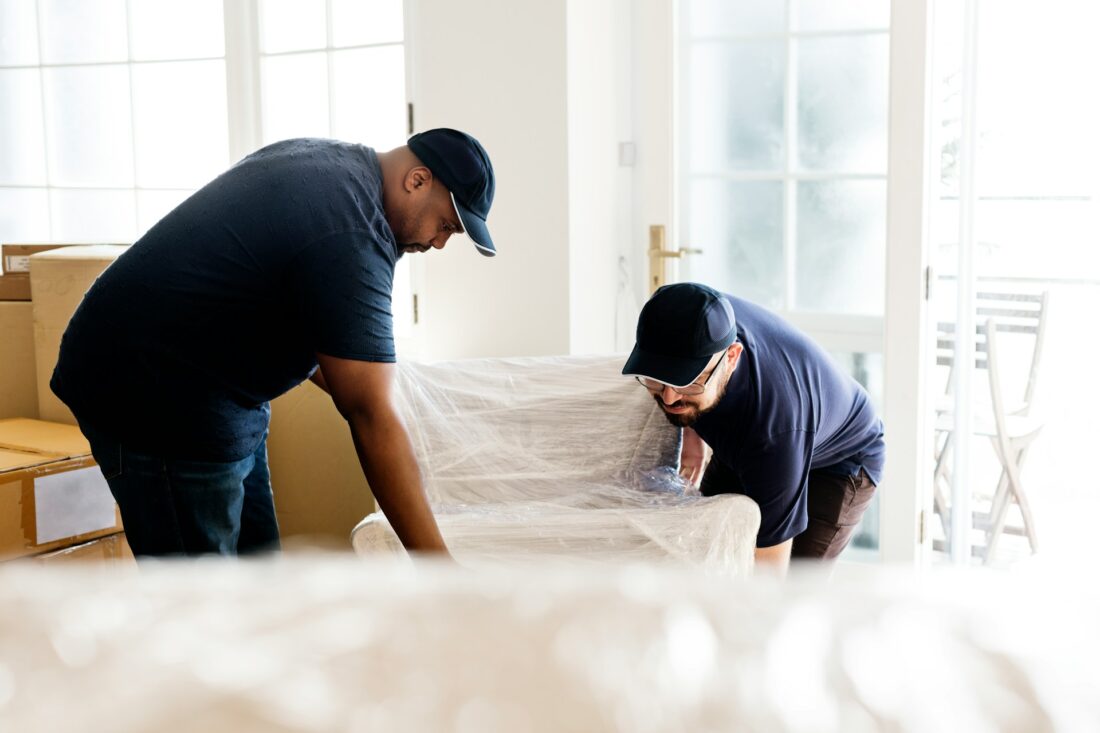
Guide to Quietly Moving Heavy Tables with Furniture Movers
Moving a heavy table indoors can be more of a hassle than it first seems. It’s not just about lifting or pushing the weight. The real challenge is doing it without scuffing polished floors, waking the neighbours, or hurting your back.
That’s where the right kind of furniture mover for table movement comes into play. It can ease the strain, help avoid loud scrapes across tile or timber, and make shifting that oversized table feel less like a project and more like a simple task. We’ve broken down what to check, what to avoid, and how to move with much less noise.
Picking the Right Mover for Your Table
Not every mover suits every table. Big dining tables, desks, and workbenches all sit differently and carry their weight across different points. Some spread weight across thick legs, while others rest on narrow feet that press more into the floor.
To get a sense of what will work best, think about these things:
- Choose movers with padding or soft contact points to stop direct pressure on floors
- Look for dual-wheel or wide-base movers for heavier or unevenly balanced tables
- Make sure the design fits fully under the table frame or legs so it won’t tilt or wobble while moving
Picking a mover with the wrong size or base can cause more trouble than it solves. Spend a few minutes matching the mover to the shape of the legs and what surface you’ll roll it over. Many Slipstick felt furniture sliders use wool blended felt bottoms with rubber foam tops, so they grip table legs securely while gliding over polished floors without scratching.
Preparing the Table and Floor Before Moving
Before moving anything, it helps to set the scene right. Reducing risk and noise starts with small details that add up quickly.
Here’s how to prep safely:
- Clear anything on top of the table to make it lighter
- Remove chairs, stools, and nearby clutter so you’ve got space to work
- Check paths for loose rugs, cords, or items that might catch the wheels
- If the table has a removable top or legs, it might be worth detaching parts to make things more manageable
Dust, crumbs, or grit underfoot can grind into the floor while you’re rolling. Give the path a quick wipe or sweep if needed. The smoother the path, the cleaner the move.
Using a Furniture Mover Without Making Noise
Once you’re ready to roll, your approach matters just as much as the gear. Even the best furniture mover for table shifts can’t do all the work without steady handling. Sharp turns, sudden stops, or uneven pace can all lead to loud thuds or dragging sounds.
To keep the move quiet and smooth:
- Keep the table level as you guide it
- Use slow and even pressure rather than sudden pushes
- Watch for tile joins or floorboard gaps where wheels might catch
- Don’t lift one side without support, as this moves weight into a corner and puts pressure on the floor
It’s safer to go slower. If the wheels feel like they’re catching, pull back slightly and reposition rather than forcing it forward.
Preventing Floor Damage During Movement
Nobody wants gouged tile or scratched timber from a single move. Minor surface damage can form pretty easily with the wrong technique or when skipping prep.
Here’s what helps protect floors:
- Make sure every table leg sits on a mover, not just a few
- Avoid pulling tables over lines where grout or floor joins aren’t even
- Don’t twist or rotate heavy tables unless they’re fully supported
- Wipe off stones, grit, or hardened dust under each foot before you roll
Some wheels don’t deal well with soft flooring or grouted surfaces and put pressure into small points. Even with padded movers, pushing across rough joins can cause marks or bounce the framework, which leads to friction. Several Slipstick sliders are made to protect hard surfaces such as hardwood, laminate, tile, linoleum, and bamboo from damage while furniture is moved.
Long-Term Use and Indoor Storage Options
If you only need to move a table once or twice a year, it’s still worth keeping the movers in good condition. Good storage and quick cleaning go a long way.
Tips for keeping your movers ready:
- Store them in a dry spot like a cupboard with other tools
- Keep them clean by brushing or wiping off fibres after each use
- Avoid storing them somewhere they’ll get squashed or sit unevenly
For tables that get moved often, like adjustable work areas or game tables, it can help to leave the movers in place. Some designs are meant to stay underfoot long-term without harming the floor. Most Slipstick sliders are built for repeated use and can stay under furniture permanently when you want quick adjustments without lifting heavy tables.
Make Heavy Table Moves Quieter and Easier Next Time
Moving a heavy table doesn’t need to mean strained arms or scratched floorboards. With the right preparation and choice of equipment, it’s possible to glide furniture smoothly and silently across almost any floor surface.
A few small decisions, like using a quality mover, checking the path, and adjusting pace, can mean the difference between a quick move and a noisy mess. Whether it’s the middle of winter when you’re rearranging the space for indoor activities or preparing your layout for warmer months, quiet movement and floor care matter year-round.
Moving a bulky table without marking your floors or creating unwanted noise is simple with the right furniture mover for table setups. At Slipstick, we design our sliders to tackle uneven weight and tricky surfaces while protecting your space. Whether you’re rearranging your lounge or preparing for an event, reliable movement gear keeps the process quick and quiet. Our team is ready to help you find the perfect solution for your table and room, reach out for friendly advice.